
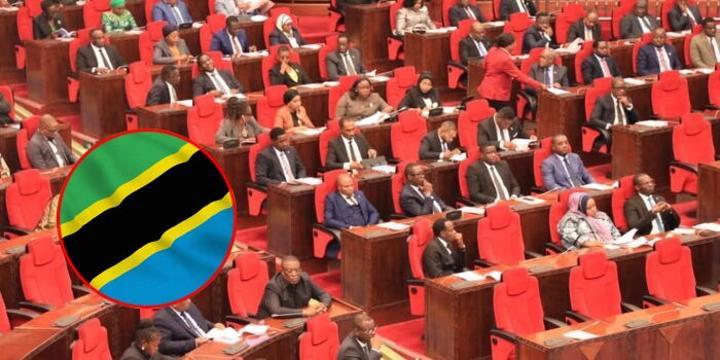
Africa-Press – Tanzania. A Tanzanian Member of Parliament has been forced to withdraw from international parliamentary positions after failing to meet English-language requirements in a mandatory proficiency test.
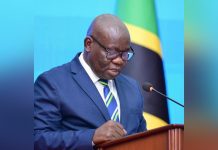
Bakari Shingo, the MP representing the Ukonga constituency, could not proceed with his bid for delegate positions in major international bodies following the language assessment conducted during the selection process.
The elections were organised to fill Tanzania’s representation slots in three key international forums that became vacant after the 12th Parliament’s term expired, prompting the need for fresh appointments.
The affected positions include seats in the Pan-African Parliament, the Inter-Parliamentary Union, and the International Conference on the Great Lakes Region Parliamentary Forum, all of which require English fluency.
Shingo did not satisfy the English proficiency requirement, which remains a mandatory qualification for anyone seeking to participate in these influential international forums.
The development has sparked conversations among Tanzanian legislators about language preparedness, as they aspire to represent the country on continental and global parliamentary stages where English dominates proceedings.
According to the latest EF English Proficiency Index (EF EPI) 2025 report, Tanzania ranks 77th globally out of 116 countries assessed, placing it in the “Low Proficiency” band overall.
Within Africa, Tanzania ranks 11th with an EF EPI score of 479, indicating significant room for improvement in English language skills across the population.
Dar es Salaam leads the country with the highest proficiency score of 508, followed by Arusha with 478, highlighting regional variations in English language competence across Tanzania.
English proficiency remains essential in the Pan-African Parliament because it serves as a working language, facilitating debate on regional integration, policy formulation, and oversight among diverse representatives.
The Inter-Parliamentary Union relies on English alongside French for its e-bulletins, publications, and databases, ensuring members can access vital information on parliamentary trends and international best practices.
For the International Conference on the Great Lakes Region Parliamentary Forum, English enables collaboration on peace, security, and development issues across member states with different linguistic backgrounds.
These international organisations operate in diverse, multilingual environments where English serves as the primary common language for sharing data, drafting resolutions, and ensuring effective collaborative decision-making.
Without adequate English skills, parliamentarians cannot actively contribute to complex international discussions, comprehend policy documents, or effectively represent their constituents on the global and regional stage.
The language requirement ensures that delegates can participate meaningfully in legislative debates, access documentation, and engage in cross-border communication, all essential to international parliamentary cooperation.