

What You Need to Know
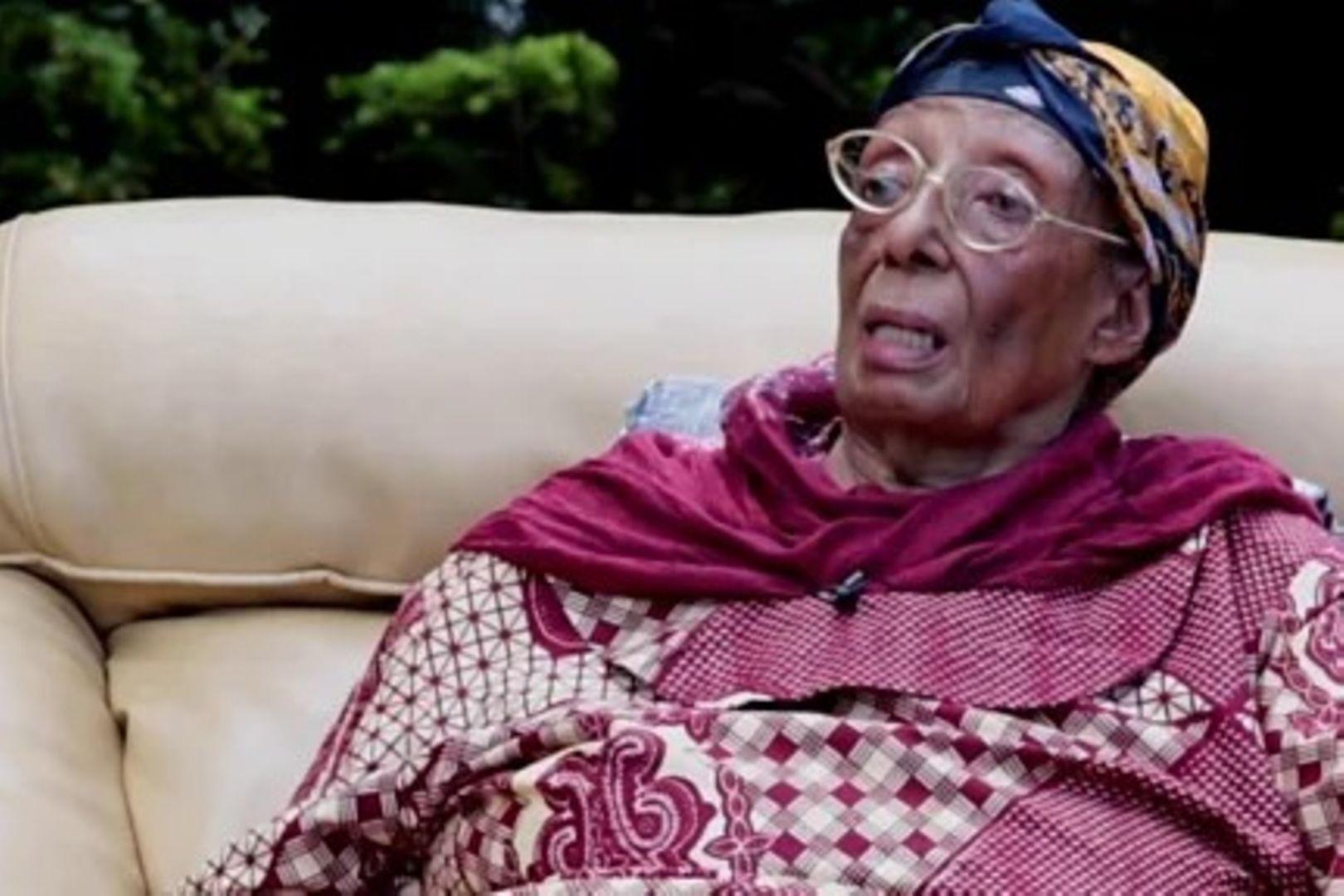
Tanzania is preparing to honor the legacy of Judge Julie Manning, the first female High Court judge, who passed away at 86. Funeral arrangements are underway, with a ceremony scheduled for March 24 at St Peter’s Church in Oysterbay. Manning’s contributions to justice and women’s leadership in Tanzania are widely recognized.
Africa-Press – Tanzania. THE nation is set to lay to rest trailblasing High Court Judge Julie Manning, as funeral preparations gather pace after her passing early Friday at the age of 86. Judge Manning was Tanzania’s first female High Court judge and a pioneer for women in leadership across East and Central Africa.
Family spokesperson Mr Pascal Kasele said in a telephone interview on Friday that Judge Manning died at 2:30 a.m. while receiving treatment at Hitech Sai Healthcare in Dar es Salaam.
He said the family, in collaboration with the government, is finalising funeral arrangements, with mourners currently gathering at her residence in Oysterbay along Chaza Lane.
“We expect to hold the burial ceremony on Tuesday, March 24, with a mass at St Peter’s Church Oysterbay,” he said.
Meanwhile, President Samia Suluhu Hassan, has sent condolences to the Chief Justice of Tanzania, Justice George Mcheche Masaju, following the death of Judge Manning.
President Samia said the nation has lost a leader who made a significant contribution to strengthening the foundations of justice, equality and integrity in the country, adding that the late Manning will be remembered as a pioneer who opened doors for many women to participate in the legal profession and leadership.
and a pioneer for women in leadership across East and Central Africa. She was among the first 14 students to enrol at the University of Dar es Salaam (UDSM) and became the first Tanzanian woman to study law at a time when the profession was overwhelmingly dominated by men.
In 1973, she made history after being appointed a judge of the High Court of Tanzania, becoming the first woman in the country to hold the position.
Her appointment marked a major milestone not only nationally but also regionally, as she became the first African woman to serve as a High Court judge in East and Central Africa. Judge Manning’s distinguished career later saw her appointed Minister of Justice in 1975, a position she held until 1983.
During her tenure, she was among the first women to serve in the Tanzanian Cabinet, alongside Tabitha Siwale, helping to pave the way for greater inclusion of women in top leadership.
Following her ministerial role, she continued to serve the nation in the diplomatic field as legal counsel at the Tanzanian Embassy in Ottawa, Canada.
In 1993, she was appointed a full-time Commissioner at the Tanzania Law Reform Commission, where she served until 2002 and contributed to the review and reform of laws in line with the country’s evolving needs.
From 1998, she also served as Chairperson of the National Parole Board, where she played a key role in recommending clemency for well-behaved inmates. She later served as one of the non-full-time Commissioners of the National Electoral Commission for three consecutive five-year terms until 2008, where she was involved in overseeing presidential, parliamentary and civic elections.
For the first ten years, she remained the only female member of the Commission, further underscoring her trailblazing role in public service. Judge Manning retired after decades of distinguished service, leaving behind a legacy defined by resilience, excellence and an unwavering commitment to justice and nation-building.
Her death marks the end of an era for one of Tanzania’s most respected legal minds, whose contributions helped shape the country’s legal framework and opened doors for generations of women in leadership.
Judge Julie Manning made history as Tanzania’s first female High Court judge, appointed in 1973. Her groundbreaking role paved the way for women in the legal profession and leadership positions across East and Central Africa. Manning’s career included serving as Minister of Justice and contributing to significant legal reforms in Tanzania, leaving a lasting impact on the nation’s legal landscape and women’s representation in governance. Her passing marks a significant loss for the legal community and the nation as a whole.