
What You Need to Know
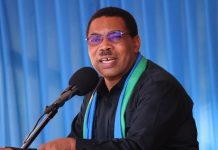
Kenani Kihongosi, CCM’s Secretary for Ideology, has urged party leaders to uphold ethical conduct and accountability. Speaking in Bukoba, he addressed citizen grievances, including land disputes and corruption allegations, asserting that misconduct will not be tolerated within the party. Kihongosi emphasized justice and the importance of serving citizens.
Africa-Press – Tanzania. THE ruling Chama Cha Mapinduzi (CCM) has issued a strong warning to its leaders against abusing power, declaring that the party will not tolerate misconduct, corruption or actions that harm citizens.
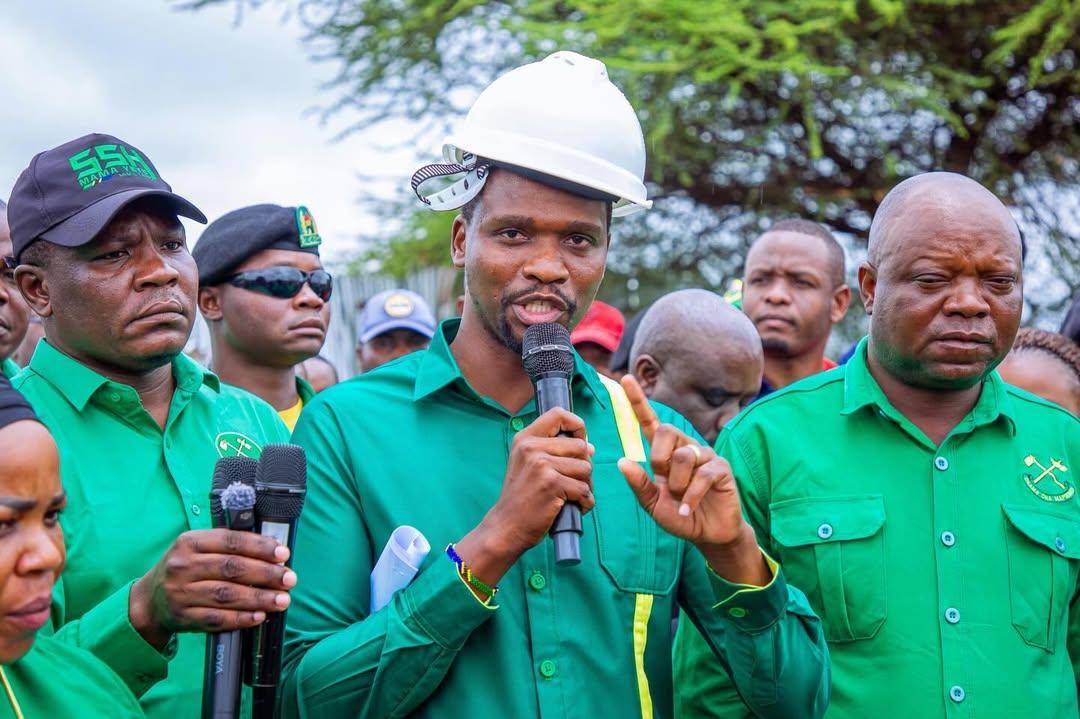
CCM National Executive Committee (NEC) Secretary for Ideology, Publicity and Training, Mr Kenani Kihongosi, made the remarks on Friday while addressing public meetings and listening to citizens’ grievances in Bukoba Municipality, Kagera Region.
He said the party stands for service and accountability, stressing that individuals who misuse their positions do so in their personal capacity, and not on behalf of the party.
“CCM has no thieves, looters or hooligans. Those are personal behaviours and once identified, the party will take action,” he said.
Mr Kihongosi directed regional and district leaders to take firm steps against any official found oppressing citizens, insisting that justice must be upheld regardless of one’s status, age or position.
His remarks followed a series of complaints from residents, including a land dispute in which a citizen, Anderson Daud, accused a Ward Councillor of grabbing Plot No. 489, which belonged to his late father. Local land officials confirmed the dispute exists but said neither side had presented valid documentation.
Responding to the matter, Mr Kihongosi instructed CCM Kagera Regional Chairperson, Nazir Karamagi, to follow up and ensure that if the land not legally belongs to the councillor, it should be returned to the rightful owner.
“Do not look at someone’s position. If it is not one’s, the land must be returned to the citizen,” he said, adding that even land titles should be revoked if obtained unjustly.
In another case, a resident of Nyakanyasi area, Rosemary Alphonce, complained that her neighbour, a local government leader, had cultivated along a riverbank, diverting water into her home and causing significant damage. Mr Kihongosi ordered immediate action, saying leaders who misuse their authority should be removed from their positions.
He directed that the blocked water channels be restored without delay and demanded a report before he leaves the region. The crackdown also extended to allegations of corruption in the allocation of business kiosks at Bukoba’s new bus stand.
Following complaints that some municipal officials may have irregularly acquired kiosks meant for displaced traders, Kihongosi instructed Bukoba District Commissioner, Erasto Sima, to involve the Prevention and Combating of Corruption Bureau (PCCB) in a thorough investigation.
“If any officials are found to have taken these kiosks, they must surrender them and be given to rightful traders. It is unacceptable for a salaried public servant to take business space meant for wananchi,” he said.
He further directed authorities to ensure that traders displaced by the construction of the modern market are given priority once new facilities are completed. In a separate grievance, a resident, Dorothela Magessa, said her house was damaged by a private investor during blasting activities but had not been repaired despite an agreement.
Authorities confirmed the damage and said the investor had failed to honour the commitment. Mr Kihongosi ordered the district leadership to ensure the investor rebuilds the house, stressing that no one is above the law.
“Rights must be respected. No one is above the law, and justice must prevail,” he said.
Beyond governance issues, Kihongosi also cautioned against individuals using religion to promote division, urging Tanzanians to reject messages that threaten national unity.
“We must be united by our Tanzanian identity. Religion should bring people together, not divide them,” he said.
The Chama Cha Mapinduzi (CCM) party has been the dominant political force in Tanzania since the country’s independence in 1961. Over the years, it has faced criticism for corruption and mismanagement, prompting calls for reform and ethical leadership. Recent public discontent has led to increased scrutiny of party officials and their conduct, highlighting the need for accountability in governance.
In response to these challenges, CCM leaders like Kenani Kihongosi are advocating for a return to the party’s founding principles of service and integrity. This push for ethical leadership is seen as crucial for restoring public trust and ensuring that the party remains relevant in Tanzania’s ever-