
What You Need to Know
Tanzania’s economy has demonstrated robust growth, with GDP increasing between 5.2% and 5.6%. Foreign direct investment averages $1.3 billion annually, reflecting rising investor confidence. Recent developments in the energy and infrastructure sectors further position Tanzania as a regional trade hub, supported by strategic partnerships and government initiatives.
Africa-Press – Tanzania. TANZANIA has maintained a strong economic performance, with GDP growth ranging between 5.2 and 5.6 percent. At the same time, foreign direct investment has reached an average of 1.3bn US dollars ion annually—an indication of growing investor confidence in the country’s economy.
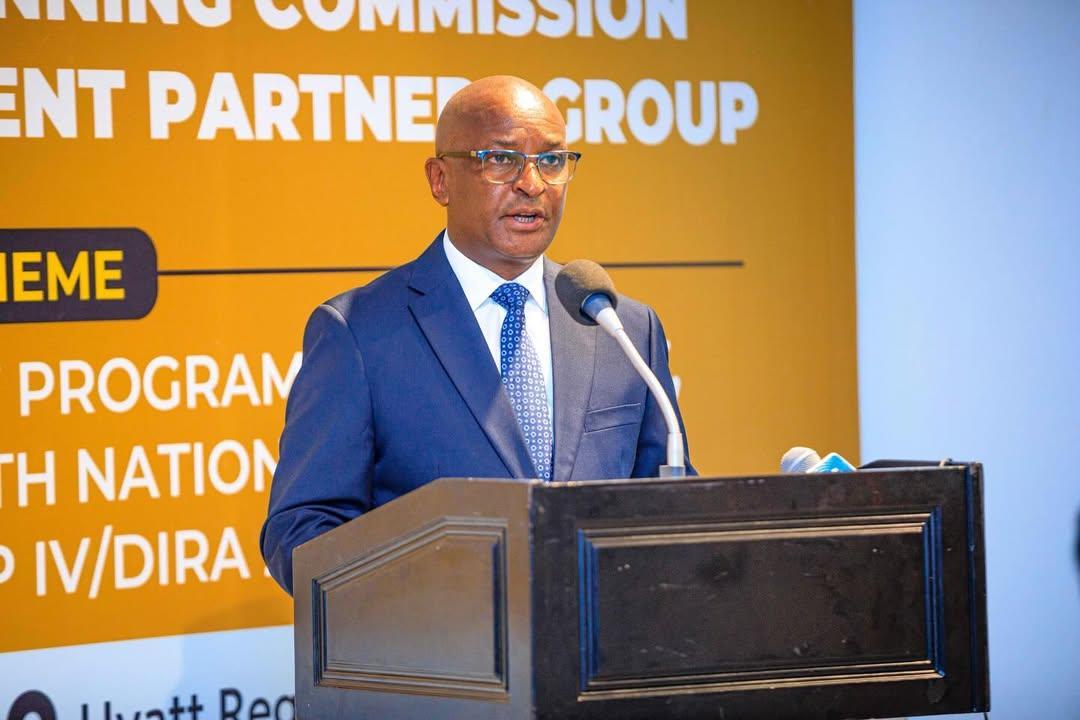
This was revealed by the government when the Permanent Secretary in the Ministry of Foreign Affairs and East African Cooperation, Samwel Shelukindo, participated in a consultative meeting between the National Planning Commission and Development Partners held on April 2, 2026, in Dar es Salaam, aimed at strengthening coordination of development strategies in the country.
At the meeting, Dr Shelukindo thanked the President’s Office – Planning and the National Planning Commission for organizing the forum, which brought together development stakeholders.
He emphasized that such collaboration is critical in ensuring that project implementation aligns with national priorities while enhancing efficiency and delivering sustainable outcomes.
He noted that the meeting comes at a pivotal time as Tanzania continues implementing its National Development Vision 2050, adding that this phase lays the foundation for long-term economic transformation through sound policies and strategic partnerships with development partners.
According to Dr. Shelukindo, Tanzania has maintained strong economic performance, with GDP growth ranging between 5.2 and 5.6 percent, while foreign direct investment has reached an average of approximately US$1.3 billion annually—an indication of growing investor confidence in the country’s economy.
He further highlighted significant progress in the energy sector, where electricity generation has surpassed 2,500 megawatts, and national access to electricity has reached 78 percent, including about 65 percent in rural areas—developments that are accelerating economic activity.
In the infrastructure sector, he pointed to ongoing major investments, including the Standard Gauge Railway (SGR), port expansion, and improvements in road networks and airports, which are positioning Tanzania as a regional hub for trade and transportation in East Africa.
He underscored that these achievements are largely driven by close collaboration between the government and development partners, calling for sustained cooperation to realize the country’s long-term development objectives.
Tanzania has experienced significant economic growth over the past decade, driven by various sectors including agriculture, mining, and tourism. The government has implemented policies aimed at attracting foreign investment and improving infrastructure, which are crucial for sustainable development. The National Development Vision 2050 outlines the country’s long-term goals for economic transformation and improved living standards for its citizens. Recent investments in energy and transport infrastructure are pivotal in supporting this vision and enhancing the overall economic landscape.