
What You Need to Know
Taifa Gas has decided to keep its liquefied petroleum gas (LPG) prices unchanged despite a nearly 43% increase in global prices. This move aims to support Tanzanian households and businesses that rely on LPG for energy, ensuring affordability and stability in a volatile market. The company emphasizes its commitment to clean energy and economic inclusion.
Africa-Press – Tanzania. TAIFA Gas has announced that it will maintain current retail prices of liquefied petroleum gas (LPG), even as global prices have surged by nearly 43 per cent in recent weeks.
The decision comes at a time when international energy markets are experiencing heightened volatility, driving up procurement and supply chain costs across the world. Despite these external pressures, the company has chosen to prioritise affordability for Tanzanian households and businesses, many of which depend on LPG as a primary source of energy for cooking and other daily needs.
The move reflects a deliberate effort to cushion consumers from the immediate effects of global price increases while maintaining stable access to clean energy.
According to Devis Deogratius, the company’s current focus is to minimise the impact of rising international prices on local consumers while ensuring continued availability of reliable energy.
He explained that in the present global environment, maintaining stability is essential to support both households and economic activity. LPG has increasingly become an essential energy source in Tanzania, particularly in urban areas where demand for cleaner and more efficient cooking solutions continues to grow.
As cities expand and awareness of environmental and health concerns rises, more households are shifting away from traditional fuels such as charcoal and firewood.
By holding prices steady, Taifa Gas aims to provide relief to consumers who might otherwise face significant financial strain due to rising living costs. This decision also supports small and medium-sized enterprises that rely on LPG for their operations, helping them maintain stability in their businesses.
Deogratius emphasised that LPG is no longer a luxury but a necessity for many Tanzanians. Maintaining price stability, he noted, is part of the company’s broader commitment to supporting livelihoods and sustaining economic momentum, especially during periods of global uncertainty.
In addition to keeping prices unchanged, the company has assured customers of uninterrupted supply across the country.
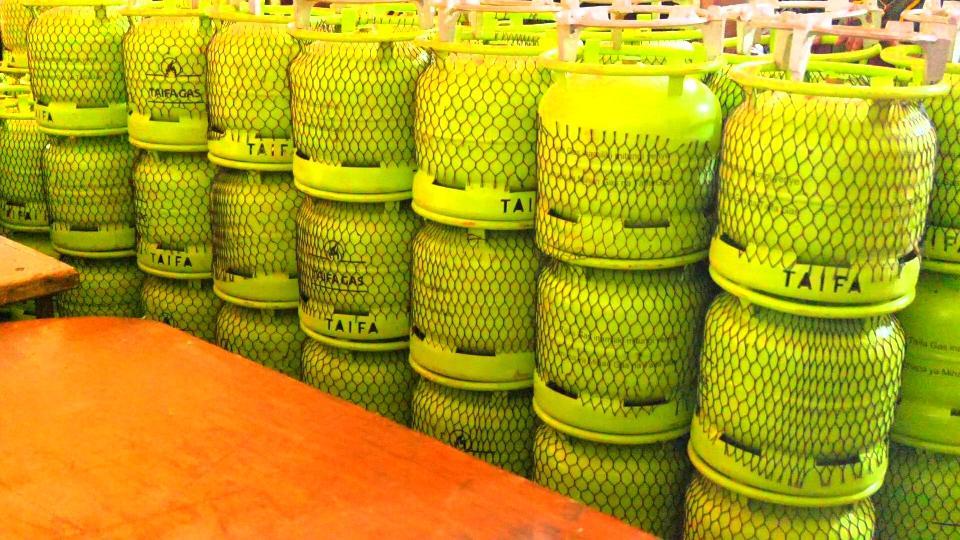
Taifa Gas operates an extensive infrastructure network, including 25 depots strategically located to facilitate distribution. This network enables the company to deliver LPG efficiently to both densely populated urban centres and remote rural areas.
Ensuring access across such a large and diverse market remains a key priority. Tanzania’s geographical size and varying levels of infrastructure present logistical challenges, but Taifa Gas says its established distribution system allows it to maintain consistent supply nationwide.
The company’s approach highlights the importance of infrastructure investment in ensuring energy security. By maintaining a strong supply chain, Taifa Gas is able to absorb some of the shocks associated with global price fluctuations while continuing to meet domestic demand.
At the same time, the company has reiterated its commitment to advancing clean energy use in alignment with national priorities and global sustainability goals. The increased adoption of LPG is widely seen as a critical step in reducing reliance on traditional fuels, which are associated with deforestation, environmental degradation, and serious health risks.
The use of charcoal and firewood has long been linked to indoor air pollution, which poses significant health dangers, particularly for women and children. Transitioning to LPG helps reduce exposure to harmful smoke and improves overall living conditions.
Expanding access to LPG therefore contributes not only to environmental protection but also to improved public health outcomes. Cleaner energy sources support healthier households and reduce the burden on healthcare systems, while also contributing to climate change mitigation efforts.
Taifa Gas noted that its efforts to expand LPG access are also tied to broader goals of economic inclusion.
By making clean energy more accessible and affordable, the company is helping to ensure that more communities can participate in economic activities without being constrained by limited or unsafe energy options.
Recent global trends have shown that energy markets remain highly sensitive to geopolitical developments, supply disruptions, and shifting demand patterns.
These factors have contributed to the sharp increase in LPG prices internationally, creating challenges for energy providers worldwide. In this context, Taifa Gas’s decision to maintain stable prices stands out as a significant intervention aimed at protecting consumers from volatility.
While such a strategy may place pressure on company margins, it underscores a long-term approach that prioritises customer welfare and market stability. The company has indicated that it will continue to monitor global developments closely.
Although current conditions remain uncertain, Taifa Gas is committed to maintaining price stability for as long as it is feasible. This cautious approach allows the company to respond to changing circumstances while keeping consumer interests at the forefront.
Deogratius reiterated that the company’s role extends beyond simply supplying energy. It involves supporting Tanzanians through consistent service, responsible operations, and a sustained commitment to expanding access to clean and reliable energy sources.
As one of the country’s leading energy firms, Taifa Gas plays a central role in Tanzania’s energy landscape. The company operates the largest LPG storage facility in the country, alongside a wide-reaching distribution network that supports its operations nationwide.
This scale of operation positions Taifa Gas as a key contributor to the country’s transition towards cleaner energy. Its ability to maintain supply and stabilise prices during periods of global disruption highlights the importance of strong domestic energy players in ensuring resilience.
The decision to hold LPG prices steady also aligns with broader government efforts to promote clean cooking solutions.
Tanzania has been actively encouraging the adoption of alternative energy sources to reduce dependence on biomass fuels and to support sustainable development.
In recent years, initiatives aimed at increasing LPG usage have gained momentum, supported by both public and private sector efforts. These initiatives focus on improving accessibility, raising awareness, and addressing cost barriers that have traditionally limited adoption.
By maintaining stable prices, Taifa Gas is reinforcing these efforts and helping to accelerate the transition towards cleaner energy. Stable pricing not only encourages new users to adopt LPG but also helps existing users continue relying on it without interruption.
The economic implications of this decision are also significant. Energy costs are a critical factor in household budgets and business operations.
By preventing sudden price increases, Taifa Gas is helping to maintain purchasing power and support economic stability at a time when many economies are facing inflationary pressures.
For small businesses, particularly those in the food and hospitality sectors, stable LPG prices can make a substantial difference. It allows them to manage costs more effectively and maintain consistent pricing for their products and services. Looking ahead, the sustainability of this approach will depend on global market conditions and the company’s ability to manage rising costs.
However, Taifa Gas’s current stance demonstrates a commitment to balancing commercial considerations with social responsibility.
In a rapidly changing global energy landscape, such decisions highlight the role of private sector leadership in supporting national development goals. By prioritising affordability, reliability, and sustainability, Taifa Gas is contributing to a more resilient and inclusive energy system.
Ultimately, the company’s actions reflect a broader understanding that energy access is not just a commercial issue but a fundamental component of social and economic wellbeing. Maintaining stable LPG prices in the face of global increases is a clear indication of this commitment, ensuring that Tanzanians continue to benefit from clean, reliable, and accessible energy
Tanzania has been experiencing a significant shift towards cleaner energy sources, particularly liquefied petroleum gas (LPG), as urbanization increases and environmental concerns grow. The government has actively promoted LPG adoption to reduce reliance on traditional fuels like charcoal and firewood, which contribute to deforestation and health risks. This transition is crucial for improving public health and supporting sustainable development in the country. As a leading energy provider, Taifa Gas plays a vital role in this transition by ensuring stable supply and pricing, which is essential for both households and businesses.