
What You Need to Know
During the 58th Conference of African Ministers for Finance, Tanzania’s Finance Minister Khamis Mussa Omar urged African nations to adopt a unified approach to foster self-reliant economies. He highlighted the need for sustainable strategies to reduce dependency on external markets, especially in light of global crises affecting trade flows, particularly due to conflicts in the Middle East.
Africa-Press – Tanzania. FINANCE Minister Ambassador Khamis Mussa Omar has urged African countries to adopt a unified approach to building resilient and self-reliant economies amid global crises. He emphasised the need for designing and implementing sustainable and inclusive short-, medium- and longterm strategy plans to reduce dependency and strengthen resilience in the face of global crises and conflicts.
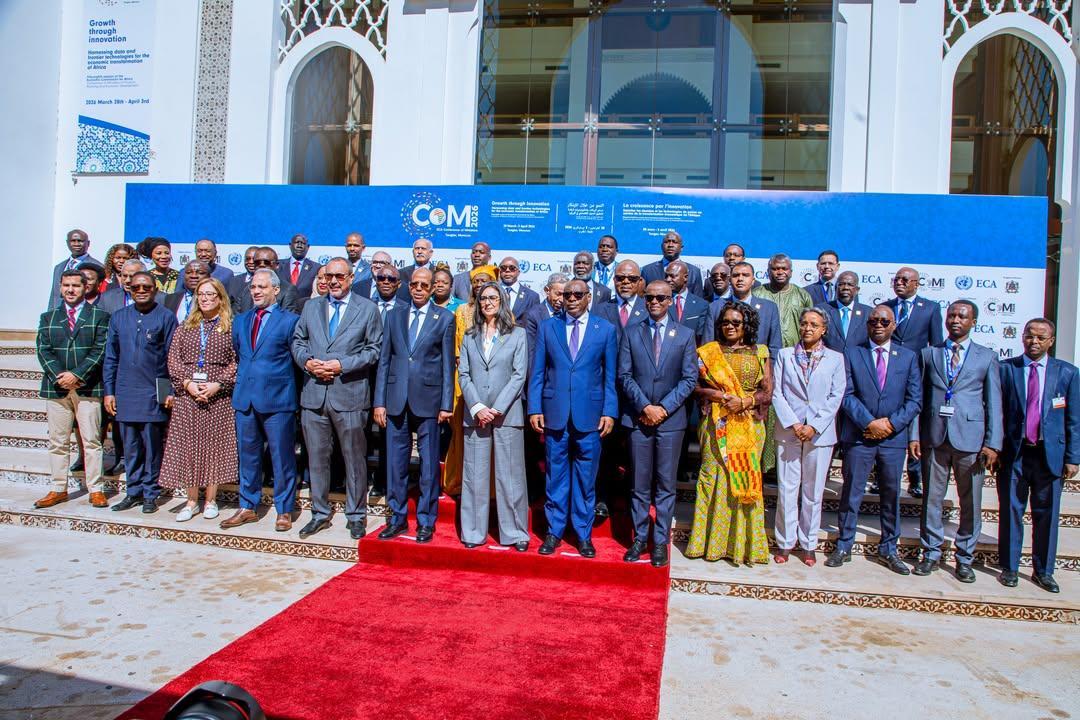
Ambassador Omar made the remarks in Tangier, Morocco, during the 58th Conference of African Ministers for Finance, Planning and Economic Development and Central Bank Governors.
He was contributing to a discussion on a report by the United Nations Economic Commission for Africa (UNECA), which examined the economic and social impacts of the ongoing conflict in the Middle East on Africa.
He said the conflict has disrupted trade flows, noting that the Middle East serves as a critical gateway for trade between Africa and international markets.
Ambassador Omar said the situation presents a timely opportunity for African countries to develop alternative trade routes, particularly by strengthening intra-African trade among member states.
He further noted that Africa has long recognised the importance of effectively utilising its natural resources, adding that the current global environment offers a strategic opportunity to take decisive steps towards self-reliance.
He pointed out that the continent is endowed with abundant resources, including oil and fertilisers, which can be produced and accessed locally through enhanced cooperation, especially within the framework of the African Continental Free Trade Area (AfCFTA).
The minister also stressed the importance of continued dialogue, under the coordination of UNECA, on reforming the global financial architecture.
He said such reforms would enable Africa to speak with a stronger and unified voice in securing affordable financing for sustainable development.
“The success of these reforms will depend on unity and strong cooperation among African countries,” he said.
Ambassador Omar further said some African countries, particularly those heavily dependent on tourism, are more vulnerable to the effects of the ongoing Middle East conflict.
He added that Tanzania is closely monitoring the situation to determine appropriate policy responses aimed at safeguarding economic stability and protecting the welfare of its citizens.
“On Tanzania’s part, the government continues to closely monitor developments through collaboration among sectoral ministries and institutions to identify appropriate policy measures to protect economic stability and the interests of its people,” he said.
Meanwhile, participants at the meeting emphasised that, to better withstand such crises, African countries must implement policies that remove trade barriers and facilitate the free movement of goods, including opening borders.
They also underscored the need to invest in domestic oil production and expand the use of alternative energy sources to address fuel shortages and rising energy costs, which are critical to production and overall economic stability.
The call for self-reliance in Africa has gained momentum as the continent faces various global challenges, including economic disruptions from international conflicts. Historically, Africa has been reliant on external markets for trade, which has made it vulnerable to global economic fluctuations. The African Continental Free Trade Area (AfCFTA) aims to enhance intra-African trade, providing a framework for countries to collaborate and utilize their abundant natural resources more effectively. This initiative is crucial for building resilience against external shocks and fostering sustainable economic growth.