
What You Need to Know
The Tanzanian government is set to launch a new National Supply Chain Management Policy on April 8, 2026, aimed at enhancing public spending efficiency and service delivery. The policy, introduced by President Samia Suluhu Hassan, focuses on improving management of public resources, promoting transparency, and increasing participation from the private sector.
Africa-Press – Tanzania. THE government is set to roll out a new National Supply Chain Management Policy of 2025 aimed at strengthening discipline in the use of public funds, improving efficiency in development projects and enhancing service delivery.
The policy is scheduled to be launched by President Samia Suluhu Hassan on April 8, 2026, at the Jakaya Kikwete Convention Centre (JKCC) in Dodoma.
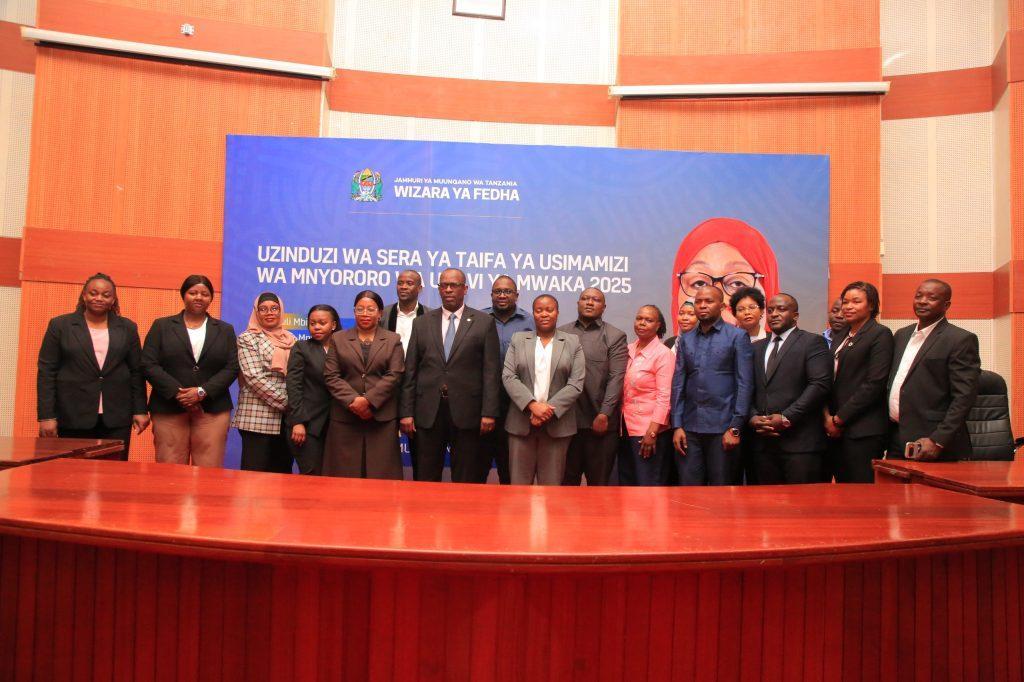
Speaking to journalists ahead of the launch, Acting Commissioner for Public Procurement Policy at the Ministry of Finance, Mr Alex Habara, said the framework marks a major step towards improving management of public resources.
“The launch of this policy is a key milestone in improving efficiency in government operations through a well-coordinated supply chain system,” he said.
Mr Habara said that the policy is designed to enhance transparency, accountability and value for money in the procurement of goods, services and infrastructure projects.
He explained that the framework introduces an integrated system covering all stages of the supply chain, including planning, procurement, clearance, storage, distribution and final disposal of government assets.
“For a long time, supply chain activities have been implemented through various laws and regulations without a unified policy framework. This policy will bridge that gap and strengthen coordination,” he said.
According to him, the initiative will improve utilisation of public resources, reduce wastage and increase efficiency in the execution of government responsibilities.
Mr Habara added that the policy emphasises good governance, adoption of technology in supply chain management and increased participation of the private sector and special groups to expand economic opportunities and employment.
It also promotes the use of local resources and raw materials to boost domestic industries, enhance value addition and strengthen Tanzania’s competitiveness in regional and global markets.
“Given that a large portion of government expenditure passes through procurement processes, supply chain management is a critical tool for ensuring efficient use of public resources and improved service delivery,” he said.
The policy aligns with the National Development Vision 2050, which aims to build a strong, inclusive and competitive economy driven by efficient use of internal resources.
Mr Habara called on stakeholders and the public to participate in the launch, describing it as a significant step towards improving public resource management and advancing national development.
Tanzania has been working towards improving its public resource management for several years. The introduction of the National Supply Chain Management Policy of 2025 is a significant step in this direction, aiming to unify various laws and regulations governing supply chain activities. By establishing a comprehensive framework, the government seeks to enhance efficiency, accountability, and transparency in public spending, aligning with its broader National Development Vision 2050 goals. This policy is expected to foster economic growth by promoting local resources and increasing employment opportunities.