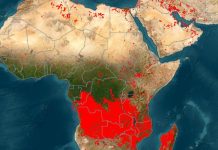

Africa-Press – Tanzania. IT is a fact that unprecedented levels of deforestation paint a grim picture for the African natural environment, and the Tanzania environment in particular.
However, the advent of renewable energy is a promising alternative and environmentally sustainable energy source.
The responsibility currently lies squarely with governments of the Southern African Development Community (SADC) to provide impetus for swift renewable energy rollout, through practical policy interventions and the creation of enabling investment climates.
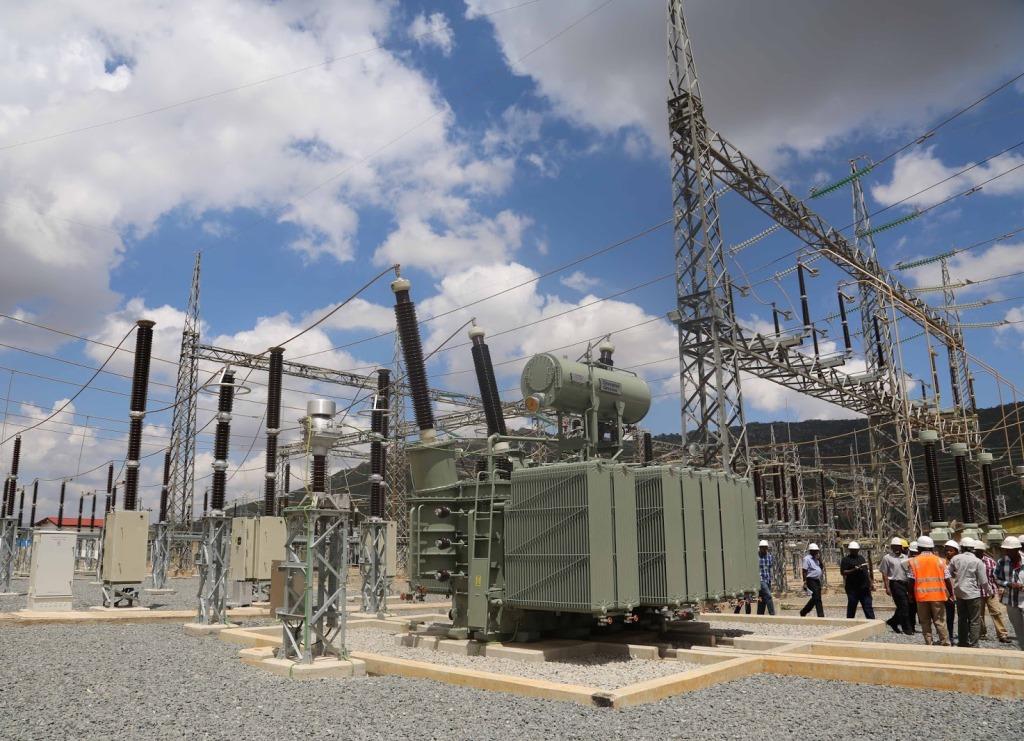
Some SADC member states have already started embarking on renewable energy projects in response to this situation. In Tanzania, there is the construction of the Julius Nyerere hydropower plant along the Rufiji river basin.
Upon commissioning in the year 2022, the project is expected to have capacity to produce 2115 MW of electricity which will feed into the national power grids of Tanzania, Kenya, Zambia and Uganda.
Zimbabwe has a plan to secure 2.1 GW of capacity through renewable energy projects by 2030.
The government has also decided to open the market to Independent Power Producers (IPPs), primarily for small hydro plants and solar technologies.
Endowed with an abundance of minerals needed for the construction of various renewable energies, Zambia bears potential to lead the green revolution in Africa and globally.
The country is the leading global producer of cobalt and copper. Cobalt provides storage capacity for renewable energies, electric vehicles and power grid stabilisation while copper remains the best electricity conductor.
Demand for both minerals is set to rise as governments and businesses around the world go green and aim to cut carbon emissions.
The republics of Botswana and Namibia have finalised an agreement for the construction of solar plants to produce 5000 MW of electric power.
The deal had gained traction in March this year before Covid-19 broke out and disrupted business. This project will expand power generation in the SADC region.
Angola is banking on rolling out a series of large hydro schemes and conversion of all diesel power plants to gas by 2023. The transmission and distribution infrastructure still needs more attention, though.
Modern energy systems that can deliver cheap and reliable power at a large scale can lead to higher standards of living, increases in productivity, and economic growth.
Poor supply of inexpensive electricity, including renewable energy, is a barricade to economic growth, job creation and poverty reduction.
Indeed, renewable energy will play an enormous role in Africa’s future energy plans, especially as technologies advance.