
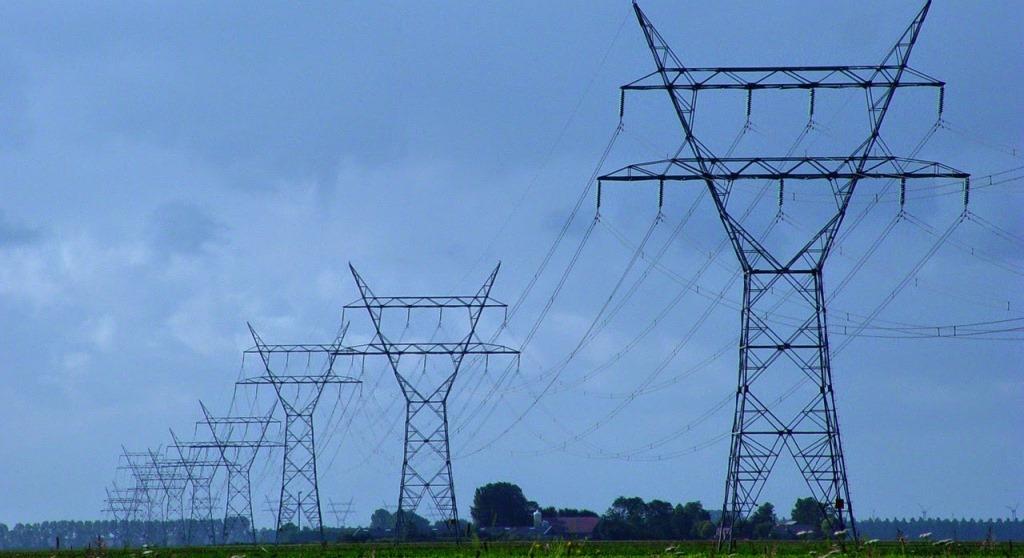
Africa-Press – Tanzania. ELECTRICITY generated and distributed declined by 4.0 per cent to a cumulative output of 1,823,616.1 megawatts in the quarter ending September last year from 1,898,803.2 that was registered in the corresponding quarter of 2019.
According to the Bank of Tanzania (BoT) consolidated zonal economic performance report, the decrease in power generation was recorded in most of the thermal power stations in Dar es Salaam, South Eastern and Lake zones, following improvement in electricity generation from hydropower sources.
The increase in power generation from hydropower sources was on account of increased water levels in most of the dams.
At the same time, production of natural gas from Songo Songo and Mnazi Bay fields decreased by 12.3 per cent to 14,738.0 Million Standard Cubic Feet (MSCF) from 16,809.7 MSCF recorded in the corresponding quarter in 2019.
The decrease in gas production was due to low demand by downstream users, particularly TANESCO for electricity generation using gas fired turbines.
Tanzania is set to become the leading power producer and supplier in the East African region, thanks to the fifth phase government through its power utility company- Tanesco, executing mega flagship power projects in the country.
The 7tri/- Julius Nyerere Hydropower Station (JNHS) which is expected to generate 2115 megawatts will make the country produce surplus electricity for domestic use and for exports.
The huge investments in the power generation and transmission alongside the transformation of the Tanzania Electricity Supply Company Limited (Tanesco), remarkable achievements have been registered in just five years of President John Magufuli’s first term in office.
One of the notable achievements is the break even, that is changing from loss making to profit generating company where it also started paying dividends to the government.
Significantly, electricity supply in Tanzania goes beyond household use for lighting homes, charging phones or powering household appliances such as radios and TVs but is intended to spur economic growth.
To grow Tanzania’s economy requires productive use of energy to power the economy, local businesses, provide better health and education services and drive agriculture production