
Africa-Press – Tanzania. A GLOBAL health company, Vestergaard has called for a strategic partnership to accelerate innovation in malaria bed nets, in the face of the Covid-19 pandemic.
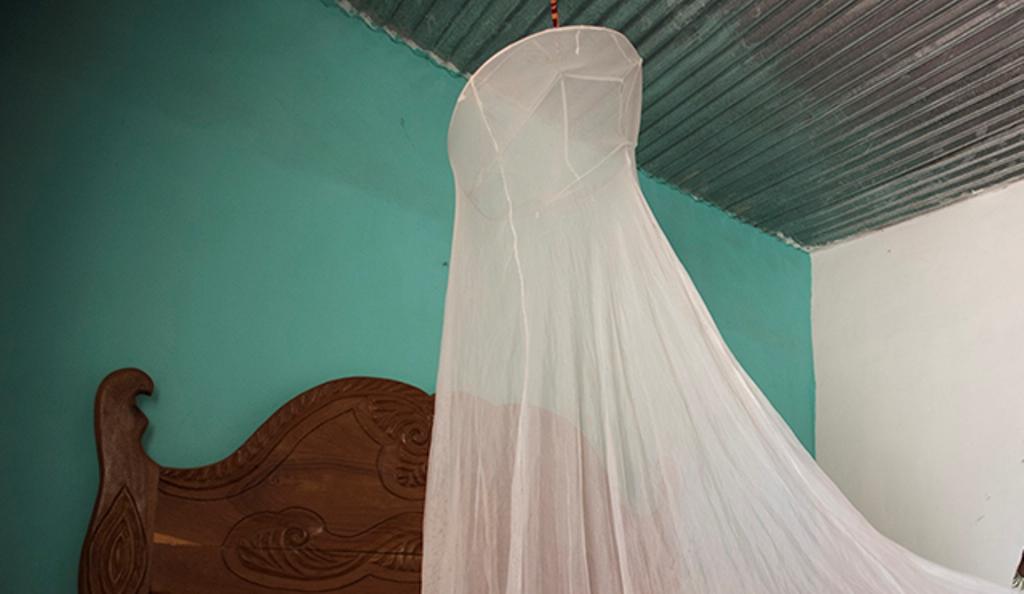
Michael Joos, Chief Executive Officer of Vestergaard, whose company manufactures mosquito nets, said that long-lasting insecticidal nets are the backbone of malaria control programmes, on which additional interventions are layered.
Joos said with the pandemic causing a steep decrease in malaria diagnosis and treatment, bed nets are more critical than ever before to avert malaria deaths.
“Covid-19 has placed significant pressures on malaria programmes. The humble bed net is quite literally, holding-up the fort. However, growing mosquito resistance to insecticides used on bed nets are also making them less effective. New generation bed nets with new insecticides must be brought to the market quickly,” said the CEO.
Elaborating, he said a renewed engagement between the private sector, donor organisations and malaria programmes of endemic countries can help mitigate the risks and costs involved.
“To bring new generation nets to communities that need them will require a more strategic level of interaction between the private sector and institutions buying and deploying these innovations at scale,” said Joos, adding that by fast-tracking the regulatory pathway to markets, improving tools to evaluate bed net performance in real conditions of use, and ensuring faster adoption of new nets at scale, the malaria community can not only save time and money, but also improve impact.
Joos said while innovation efforts to increase bed net effectiveness are underway, it is not too soon to also consider how the sustainable manufacturing of bed nets can protect both people and planet. Bed nets and their packagings are predominantly made of polymer plastics, which are major pollutants to the environment.
Vestergaard announced that they had now developed the technology to make bed nets out of 100 per cent recycled and up-cycled material without compromising on quality, making it possible to save lives, and the planet.
He further pointed out that more should be done to ensure at risk populations use bed nets more frequently, saying: “The community has a long way to go to bridge these challenges and therefore we call for a collaborative effort between technology players like Vestergaard, global funders and malaria programme coordinators to find new and innovative solutions to these challenges.” The world celebrates Malaria Day every year on April 25, by recognizing global efforts to control the disease.
This year’s theme is “Zero Malaria – Draw the Line Against Malaria”, which explores and connects malaria elimination and malaria in high-burden settings.
According to the World Health Organisation (WHO) World Malaria Report 2020, the number of confirmed malaria cases in 2020 decreased to 86 per 1,000 population per year from 113 per 1,000 of the population in 2016 with decreased out-patient attendance from 30 per cent to 19 per cent and in-patient admissions from 20 per cent to 15 per cent.