

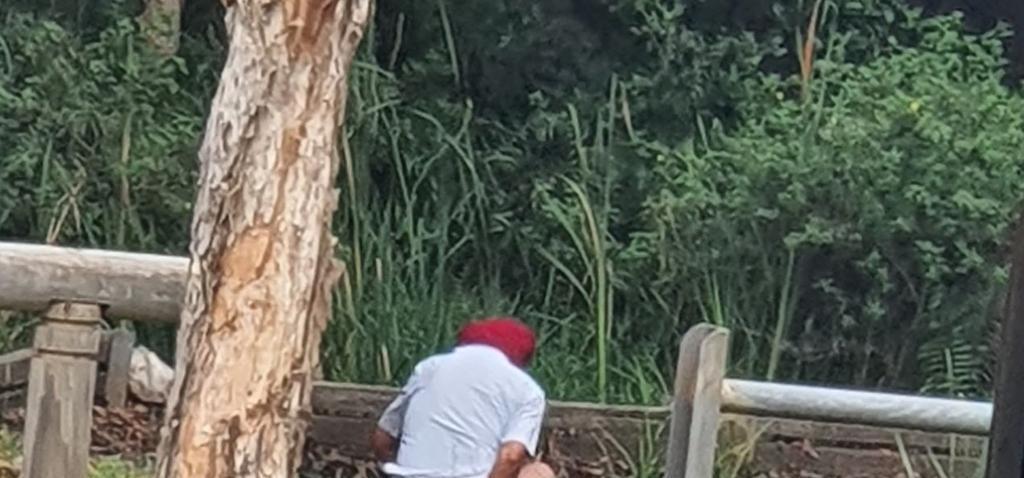
Africa-Press – Tanzania. A PROJECT of creating awareness over effects of defecating in bushes has positively changed mindset among residents in Lindi Municipality.
The project is being implemented by Heart to Heart through Korea Cooperative Agency (KOICA) under the financing of South Korea government.
According to Health Officer in Lindi Municipality, Mr Seifa Abdallah, the project has proved to be fruitful as it has helped to change behavior of many people in the municipality, and as a result cholera cases have gone down.
The three-year project, which started in 2019, is also expected to support the municipality build latrines in six schools and install water infrastructure in 13 schools and three dispensaries.
Mr Seif noted that the project has educated students and pupils over importance of using latrine, including washing their hands. Students and pupils are also taught that defecating in the bush is one of the ways of destructing environment.
The project was initiated in the municipality to fight tendency by some residents to defecate in bushes.
“The project will raise awareness among parents who will in turn educate their children on building and using latrines and washing hands as a mean of controlling diseases such as cholera,” Mr Seif said.
A pupil from Milola A primary School, Zairat Abadallah, said before the initiative, some pupils and villagers had a tendency of defecating in the bush. She noted that many people did so without knowing the adverse effects of the malpractice.
“But now the habit has stopped, especially among pupils as we now have good latrines which we use,” she said.
A coordinator of the project from Heart to Heart, Abraham Kasingo, said the implementation of the project will cost 2.8bn/-.
The funds will be used for building modern latrines in 26 schools, making 38 boreholes in some schools and health centres in Lindi and Mtama councils.
The project has helped in safeguarding children, notably those aged under five years, as they were the most affected group, he noted.