

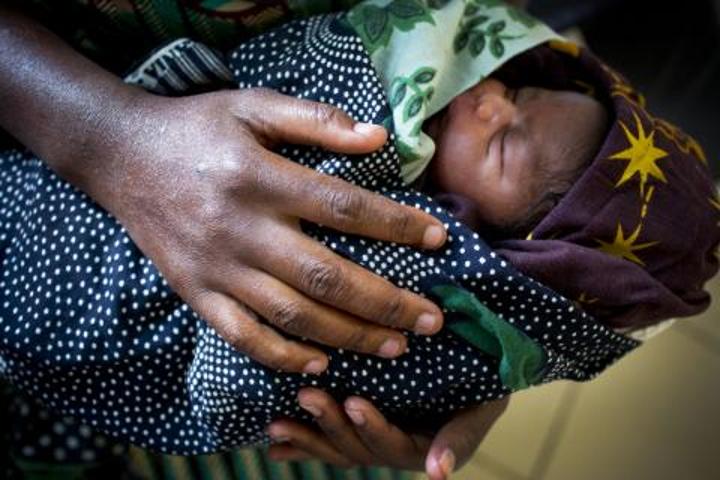
Africa-Press – Tanzania. TANZANIA’s child mortality rate keeps on declining as indicators show that by 2020 it was less than 200 deaths per 100,000 live births, and ongoing studies project more promising results.
Statistics show that the country recorded 556 deaths per the 100,000 live births in 2015/16. Health, Community Develepment, Gender and Elderly Minister, Dr Dorothy Gwajima said a team comprising of researchers from the National Institute for Medical Research (NIMR), Muhimbili University of Health and Allied Sciences (MUHAS) and United Nations (UN) is currently following up on those statistics ahead of exercise to collect the statistics for the Reproductive Age Mortality Study (RAMOS).
“Indicators show that the situation is good. The trend is going down. We will officially declare the good news in 2022 when the experts conclude their researches,” Dr Gwajima stated in Dar es Salaam on Monday The minister made revealations when officiating the opening of the 26th AGOTA Annual General Meeting and Workshops with the theme, ‘Maternal Health Services Provision in the Era of Covid-19.’ AGOTA stands for Association of Gynecologists and Obstetricians of Tanzania.
A gynecologist is a doctor who specializes in female reproductive health, whereas an obstetrician is a doctor who specializes in pregnancy, childbirth and a woman’s reproductive system.
The professionals met in the city to discuss about their issues and way forward in serving mothers and children in the country at the current time of the pandemic.
Dr Gwajima said the ongoing follow up on infant mortality rate was effective, noting that 90 per cent of deaths are reported, signaling that the next report of mortality rate would be precise.
She said the systems of monitoring maternal deaths annually has documented between 1600-1800 deaths from the health centres countrywide, which was over 90 per cent of the deaths.
She attributed the continued decline in mortality rate to government’s efforts to bring Comprehensive Emergency Obstetric and Newborn Care services (CEmONC) closer to the people.
According to the minister, so far the government has constructed total of 487 CEmONC centres and are equipped with necessaru facilities including operating equipment.
“This is a great milestone in enabling bringing these services closer to citizens,” Dr Gwajima stated. However, in order to make the services in those centres become safe, the minister urged the professional bodies including the AGOTA to collaborate with the government in providing trainings to health staff.
In its message to the minister, the AGOA said the problem of miscarriage among pregnant women was main contributor to deaths of pregnant mothers, saying that the problem has been costing the government a lot.
Upon realizing this, the association has crafted the guideline for providing health services to mothers after getting miscarriage.
Earlier, Prof Charles Majinge, the healthcare practitioner specialising as an obstetrician, said the presence of Covid-19 should not deter women from getting anternatal care and urged medical staff not to deny the women such services on the reason of the pandemic.
He further advised the breastfeeding mothers with the Covid-19 to ensure that they continue breastfeed their babies while wearing face maska to avoid transimition of the disease to their infants.