

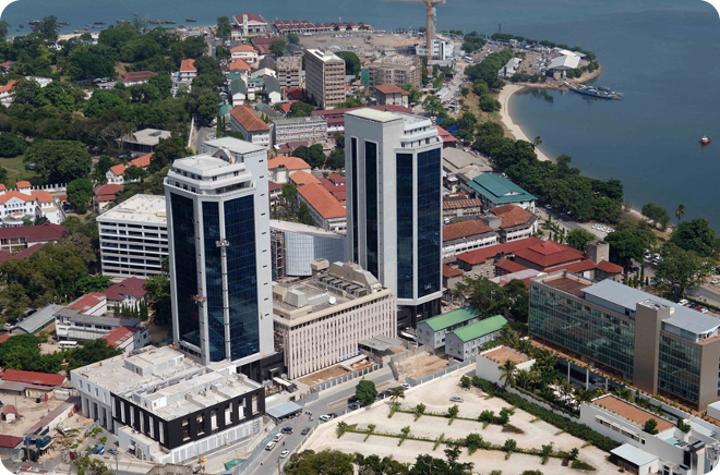
Africa-Press – Tanzania. THE central bank sold a combined 45 million US dollars into the foreign-exchange market in two consecutive interventions last week as it moved to ease dollar shortages and curb pressure on the shilling.
It offloaded 25 million US dollars on Wednesday at a weighted average rate of 2,443/82 per dollar, followed by 20 million US dollars a day later at 2,447/55, according to notices issued by the Directorate of Financial Markets.
Both auctions, conducted under the 2023 Foreign Exchange Intervention Policy, were heavily oversubscribed, reflecting strong underlying demand for dollars in the interbank market and signalling the need for central bank support to maintain orderly conditions.
Banks submitted bids of 28.5 million US dollars in the first auction and 32.25 million US dollars in the second, reflecting persistent demand for hard currency and tight conditions in the interbank market.
A total of 47 bids were accepted over the two sessions.
The back-to-back sales highlight intensifying pressure on the shilling, which has been trading near historic lows amid elevated import bills, particularly for fuel, slower external inflows and a broadly stronger US dollar.
The narrow spread between the highest and lowest accepted bids suggests the central bank is aiming to smooth volatility rather than defend a specific exchange rate.
The Bank of Tanzania operates a managed-float regime and has pledged to intervene when necessary to maintain orderly market conditions.
The latest actions signal its continued commitment to providing liquidity in a market facing structural supply constraints.
Further interventions may hinge on the timing of seasonal inflows from tourism, agricultural exports and external financing expected over the coming weeks.
Analysts note that the lateNovember interventions came just after the dollar inflows from the June–October peak tourism season had tapered off.
Foreign-exchange inflows typically begin to pick up in November and peak between December and January, when raw cashew nut auctions intensify and export shipments ramp up.
Historical trends show significant dollar earnings entering the banking system from November through February, providing one of the year’s largest injections of foreign currency.
Chief Executive Officer of Zan Securities Limited, Raphael Masumbuko, told the `Daily News’ that the Bank of Tanzania’s latest action reflects a seasonal tightening in foreign-currency liquidity and underscores the central bank’s active use of intervention as a policy tool.
By supplying dollars during periods of excess demand, he said, the Bank aims to smooth volatility, anchor market expectations and prevent disorderly movements in the shilling without departing from its broader market-driven exchange-rate framework.
Masumbuko noted that pressure on the shilling in late November is typical but more pronounced this year, as corporates settle external obligations and importers step up purchases of fuel and industrial inputs.
These short-term pressures, he added, have outpaced incoming inflows, prompting the central bank’s calibrated response.
He said tourism inflows from the June–October peak season have been strong, but their impact on the interbank market tends to appear with a lag because operators first meet internal dollar commitments.
The cashew export season has also begun, though substantial conversions normally enter the banking system from mid December, when pre-financing arrangements unwind and export settlements start to flow through.
“As these inflows strengthen, pressure on the shilling should ease in the coming weeks,” he said.
An economist, and investment banker, Dr Hildebrand Shayo said interventions by the Bank of Tanzania (BoT) offer crucial short-term stability, but must be accompanied by structural reforms to ensure longterm macroeconomic health.
He said by injecting dollars, the central bank had eased currency shortages, helped to stabilise the shilling and maintained critical supply chains by allowing importers for example of fuel and raw materials to secure necessary foreign exchange.
For More News And Analysis About Tanzania Follow Africa-Press