Africa-Press – Uganda. As Uganda joined the rest of the world to commemorate 25 years of UN Security Council Resolution 1325 on Women, Peace, and Security, the Uganda Women’s Network (UWONET) called on government to address the persistent gender imbalance in the country’s security institutions.
During the commemoration in Kampala, UWONET Executive Director Rita Aciro-Lakor said Uganda cannot fully implement the Women, Peace, and Security (WPS) agenda without increasing women’s participation in decision-making spaces, especially within the police and armed forces.
“Resolution 1325 placed women at the heart of peace and security processes,” Aciro said. “But more than two decades later, women still occupy the margins of Uganda’s security sector.”
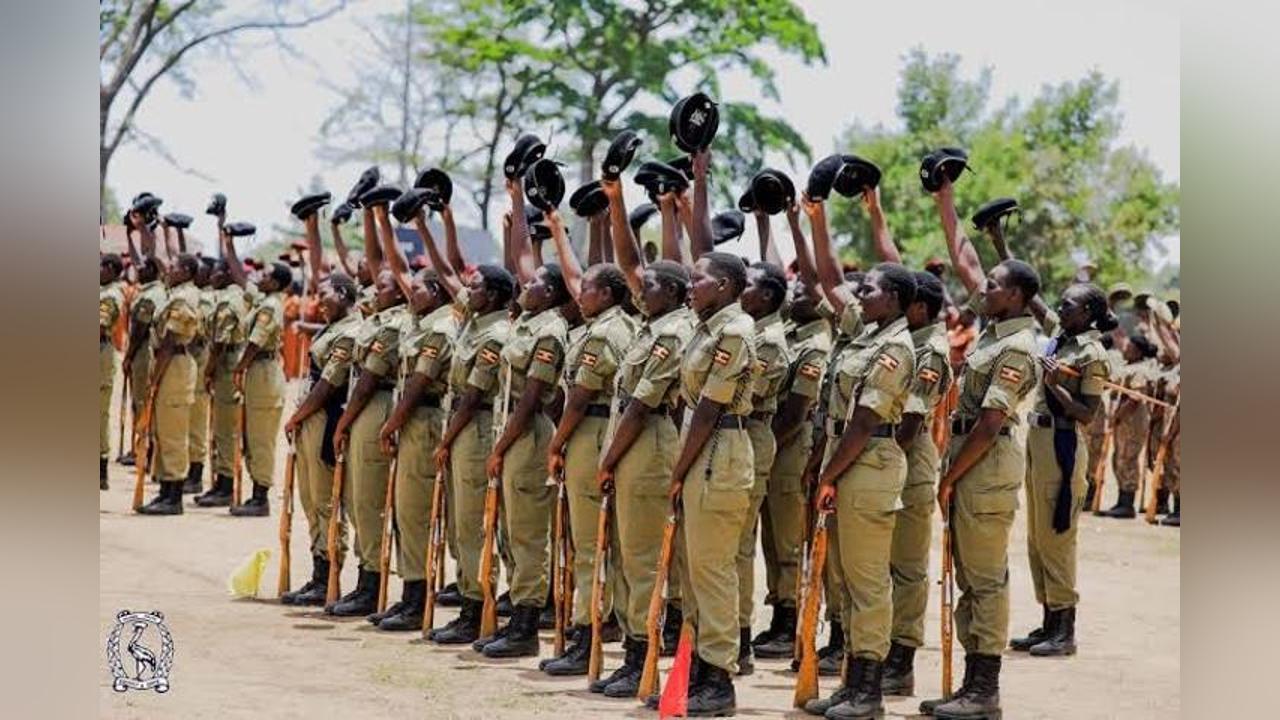
According to UWONET’s analysis, women make up only 18% of officers in the Uganda Police Force, far below the 35% benchmark set under affirmative action.
Representation in the army is even lower, with few women in command or decision-making roles.
Aciro noted that these low numbers have far-reaching implications for justice delivery, protection, and community trust in law enforcement especially for survivors of gender-based violence.
“When women are underrepresented in security institutions, their concerns are easily overlooked,” she said. “We need more women investigating cases, leading stations, and shaping policing policies that respond to all citizens.”
The 2024 Uganda Police Crime Report shows 14,073 cases of domestic violence and 14,425 sexual offenses, reflecting the ongoing vulnerability of women and girls and the urgent need for gender-sensitive policing.
Aciro urged the government, particularly the Ministry of Internal Affairs and the Uganda Police Force, to adopt deliberate strategies to recruit, retain, and promote women across all ranks.
“We need a national action plan specifically targeting women’s participation in the security sector,” she said. “Government must ensure that women are not only visible but influential in shaping peace and security decisions.”
She also called on Parliament and the Ministry of Gender, Labour and Social Development to push for accountability on existing gender equity laws, and to prioritise resources for recruitment and mentorship programs that prepare women for leadership roles in security institutions.
While increasing numbers is important, Aciro emphasised that inclusion must go hand in hand with changing institutional culture within the police and army.
She highlighted reports of sexual harassment, limited maternity support, and bias in promotions as key factors discouraging women from joining or advancing in security careers.
“Representation must be backed by an enabling environment,” she said. “We need reforms that make our security institutions safe and supportive for women officers.”
Aciro concluded that building a peaceful and secure Uganda requires intentional inclusion — from policy design to on-the-ground implementation.
“When women are part of decision-making, communities become safer,” she said. “Government must invest in women’s leadership at every level of security and governance. When women lead, peace truly follows.”
For More News And Analysis About Uganda Follow Africa-Press