By Agaba Muzoora
Africa-Press – Uganda. Since the restoration of electoral politics in Uganda in 1996, the country has held six presidential elections, with the current cycle marking the seventh. Across these contests, two features have remained strikingly consistent.
First, President Museveni has appeared on every ballot as the incumbent candidate. Second, elections have been accompanied by violence disproportionately targeting supporters of his principal challengers.
Equally consistent has been the treatment of opposition presidential candidates not as legitimate competitors in a democratic contest, but as enemies of the state and threats to national security. This framing has rendered them fair targets for harassment by the police, the military, and informal state-backed militias such as the notorious kiboko squads.
Through this securitisation of opposition politics, the deployment of coercive state and quasi-state forces has become normalised. Opposition candidates are routinely denied access to pre-booked rally venues, blocked from media platforms, and prevented from engaging meaningfully with voters.
At the outset, the current election season briefly raised cautious optimism. For several weeks, Ugandans dared to hope that the country might experience a rare, violence-free electoral cycle. That hope proved short-lived.
The familiar script soon returned. Tear gas, batons, and live ammunition once again became routine instruments for disrupting or outright banning rallies associated with President Museveni’s perceived main challenger, Robert Kyagulanyi.
This violence has resulted in serious injuries and, tragically, the deaths of at least two citizens whose only “crime” was attending political gatherings.
This pattern, however, is neither accidental nor spontaneous. It has a clear origin and a calculated purpose: fear. The ruling establishment governs from a position of fear and, in turn, weaponises violence to instil fear within the electorate.
Electoral violence in Uganda is therefore not merely reactive; it is a deliberate strategy of coercion through fear-mongering.
At the regime level, there is an entrenched fear that opposition leaders—if granted unrestricted access to the public—would demonstrate that Uganda can be governed differently, and possibly better. There is fear that citizens exposed to alternative political visions would more clearly recognise the government’s failures in service delivery, accountability, and governance.
There is also fear that voters would encounter leaders capable of articulating priorities long neglected by the incumbent administration. Consequently, opposition figures are persistently portrayed as reckless, dangerous, incompetent, or unpatriotic in a calculated effort to delegitimise them before they establish a direct connection with the electorate.
This fear is not only institutional; it is deeply personal. Many individuals occupying positions of power and privilege—often acquired through political loyalty rather than merit—fear losing their status and material benefits under a new administration. Others who have used public office to accumulate illicit wealth fear exposure and accountability should the regime change.
Thus, two overlapping layers of fear operate simultaneously: fear of losing power at the regime level and fear of losing privilege at the individual level. Together, they reveal a government unwilling to subject itself to the uncertainties of a genuinely free and fair electoral contest. Rather than persuading citizens through ideas, performance, and policy outcomes, the regime relies on intimidation and violence to shape the electoral environment and coerce public compliance.
By unleashing violence on supporters of the leading opposition candidate—as witnessed in Kawempe in November, in Iganga where a life was lost, and in Gulu where rally-goers were brutally assaulted by men in military uniform—the state communicates a chilling message: participation in opposition politics carries severe consequences.
Attending an opposition rally becomes a calculated risk. Openly identifying as an opposition supporter becomes a personal danger.
Through fear, citizens’ willingness to exercise free political choice is suppressed. Meaningful political organisation is undermined, competition is distorted, and the incumbent order is preserved.
State-orchestrated election violence, therefore, is neither random nor incidental. It is a calculated strategy designed to demoralise voters, fragment opposition movements, and prevent the emergence of a credible alternative to the status quo. Elections conducted under such conditions cease to be expressions of popular will and instead become instruments of regime perpetuation.
Tragically, so long as violence remains embedded in Uganda’s electoral architecture, the prospect of genuine political freedom—the freedom to choose leaders without intimidation, coercion, or the risk of death—will remain elusive.
Under these conditions, advocates of democratic change and the entrenchment of constitutional governance must confront a sobering reality: meaningful progress may require alternative pathways beyond electoral competition alone, including a structured and inclusive national dialogue.
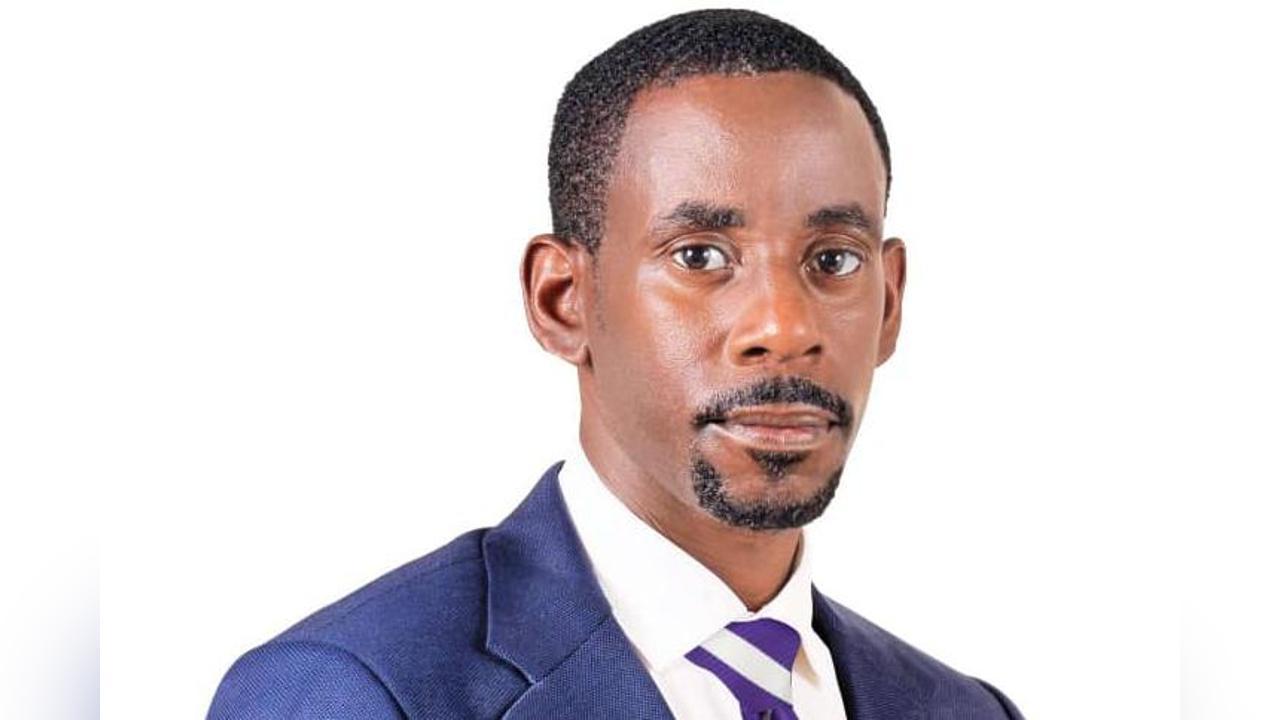
The author is a member of the Alliance for National Transformation (ANT) and an aspiring Member of Parliament for Kampala Central Division (2026–2031).
Source: Nilepost News
For More News And Analysis About Uganda Follow Africa-Press