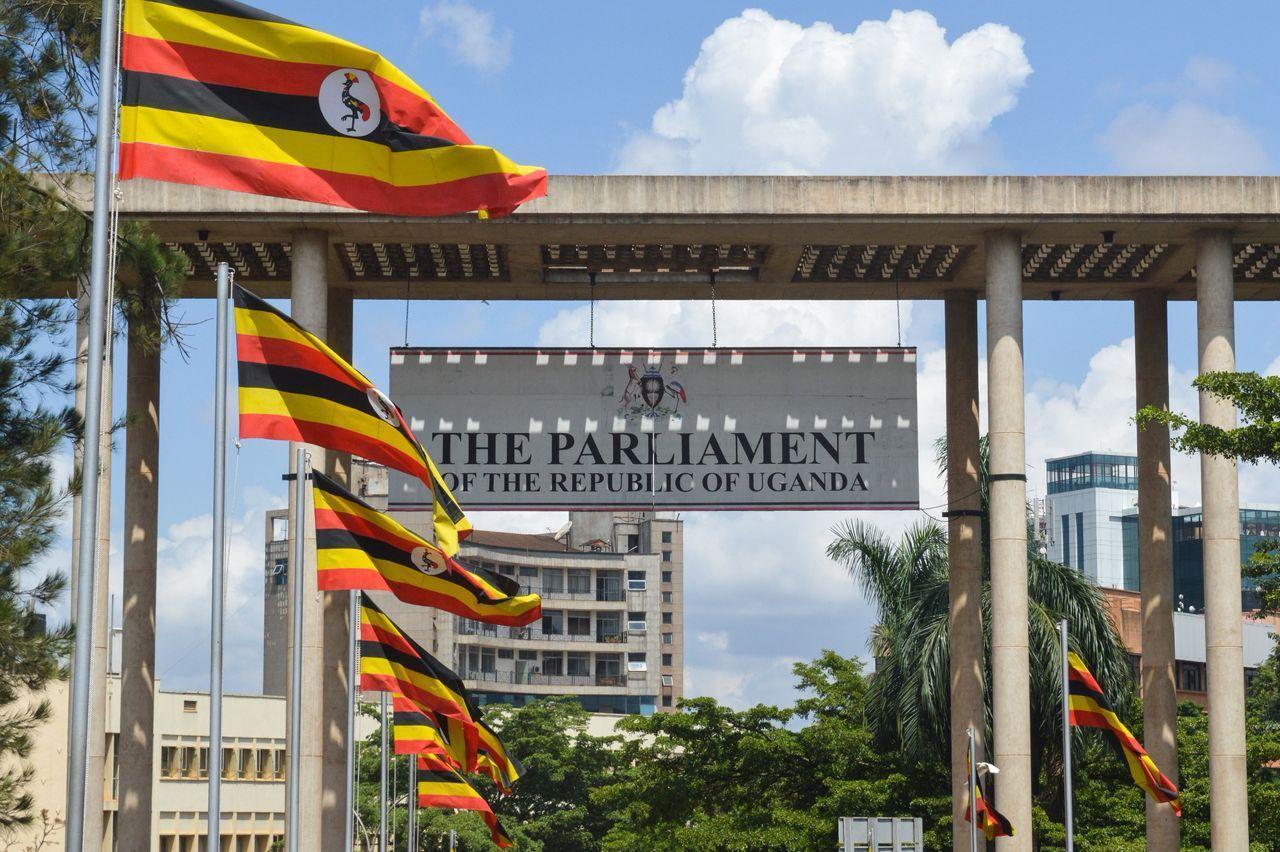
Africa-Press – Uganda. The sheer weight of Uganda’s legislative cost has once again been thrust into the spotlight as the Budget Framework Paper for the 2026/27 financial year reveals an appetite for public funds that many describe as predatory.
To perform its core duties of legislation, oversight, and representation, Parliament is demanding a staggering Shs1.187 trillion.
Even with a current allocation of Shs1.069 trillion on the table, the figure remains a lightning rod for criticism, especially as the vast majority of this wealth is destined for the pockets and comforts of individual lawmakers rather than national development.
The math of the budget exposes a worrying trend of “administration over action.”While wages for staff and MPs account for Shs119.7 billion, a massive Shs863.9 billion is classified as “non-wage” expenditure.
This is the reservoir that feeds the elaborate lifestyles of the 559 Members of Parliament and ex-officials, covering everything from committee allowances and plenary sittings to frequent international travel.
In stark contrast, the development budget—the money intended for actual infrastructure and long-term growth of the institution—languishes at a mere Shs45.1 billion.
The financial disparity between the rulers and the ruled is best illustrated by the individual “entitlements” afforded to those in the August House.
A backbench MP, considered the “least paid,” takes home Shs30 million monthly, while National MPs see their salaries climb as high as Shs80 million.
This is supplemented by a buffet of perks including housing allowances, medical cover for the member and six dependents, and domestic oversight allowances of at least Shs400,000 for committee participation.
When these members step onto foreign soil, the taxpayer shells out at least Shs 2.6 million per day to ensure they stay in “respectable” residences.
Perhaps most galling to the public is the fleet cost; with each of the 559 members entitled to a vehicle worth Shs315 million, the bill for cars alone effectively siphons Shs176 billion from the treasury.
Critics from within the house are beginning to sound the alarm, though they admit the momentum of spending is hard to break. Ibrahim Ssemujju Nganda, the MP for Kira Municipality, remains cynical about the prospect of austerity.
“The parliament budget is not about to meet any reduction,” Ssemujju warns, suggesting that the only logical path forward is a radical downsizing of the legislature itself.
He argues that the house should be reduced by at least half to curb costs, though he acknowledges a deeper quality crisis, noting, “The amount of those meeting the expectations of their roles could also reduce.”
Ssemujju’s core philosophy is one of meritocracy: “Parliament should have adopted a model to pay according to work done.”
This sentiment is shared by Dr. Lulume Bayiga, who questions the return on investment for the common Ugandan.
Bayiga argues that the current system lacks a “Value for Money” metric, allowing unproductive members to enjoy the same luxuries as those putting in the work.
“The cost to MPs should have been structured,” Bayiga insists. “Who are these MPs given the money? We must look at the job versus the output. We need to see a value-adding member of parliament before we accord resources.”
From an economic perspective, the outlook is even grimmer. Julius Mukunda, a renowned budget specialist, views the current trajectory as a symptom of a total breakdown in fiscal discipline.
“We don’t have strong fiscal rules to allow sustainable spending,” Mukunda explains, pointing out that Parliament has exploited its discretionary power to increase its own pay and allowances at will.
He describes the situation as a “misuse of public assets” and a “lack of standards” that has created an unsustainable “fleet burden” for the government.
Mukunda’s verdict is a call for systemic reform: “We incur costs but to the benefit of a few individuals. We need to review the expenditure of running a government because it is exorbitant. We must reduce the politicization of public funds and think of the country.”
As the budget moves toward its final stages of approval, the tension between the “duty of care” MPs owe to the populace and their own financial interests remains unresolved.
While there is a consensus that lawmakers should be well-facilitated, the current Shs1.1 trillion price tag suggests a house that is no longer serving the people, but rather, feeding off them.
For More News And Analysis About Uganda Follow Africa-Press