Africa-Press – Uganda. Uganda’s total public debt rose sharply in the Financial Year 2024/25, increasing to $32.24 billion (about Shs115,895.1 billion), up from $25.59 billion (Shs94,869.5 billion) recorded in FY 2023/24, according to the latest Debt Sustainability Analysis (DSA) Report.
The increase of nearly $6.65 billion (Shs21 trillion) reflects a combination of factors, including repayment of advances from the Bank of Uganda and heightened development spending, particularly in the oil and gas sector as the country prepares for first oil production.
The report shows that Uganda’s public debt-to-Gross Domestic Product (GDP) ratio rose from 46.6 percent in June 2024 to 50.9 percent in June 2025.
In present value terms, which reflect the real burden of debt, the public debt stock stood at 45.3 percent of GDP in FY 2024/25, compared to 40.4 percent in the previous financial year.
Although the rise signals increased borrowing pressures, government maintains that the debt remains within sustainable thresholds.
The DSA concludes that Uganda’s public debt is sustainable over the medium to long term, supported by a fiscal consolidation strategy anchored on revenue growth and disciplined expenditure.
Key pillars of this strategy include enhanced domestic revenue mobilisation, rationalisation of public spending, and implementation of Uganda’s ten-fold growth strategy aimed at expanding the size of the economy.
The anticipated inflow of oil-related revenues once commercial production begins is expected to ease fiscal pressures and strengthen debt repayment capacity.
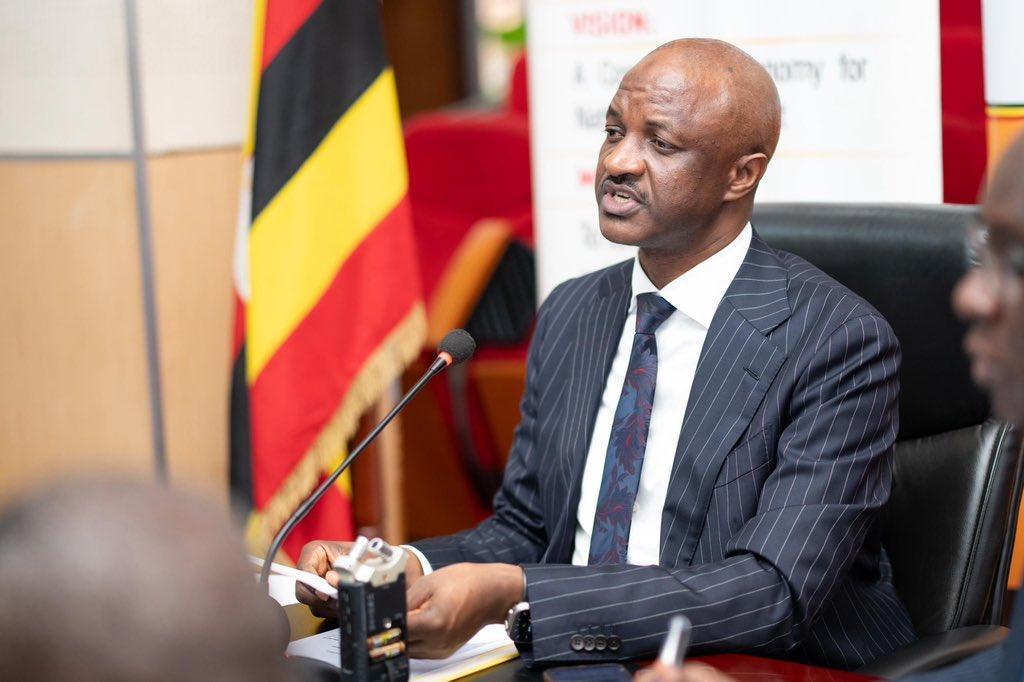
Permanent Secretary and Secretary to the Treasury Ramathan Ggoobi said the DSA findings will guide Uganda’s debt management strategy going forward.
According to Dr Ggoobi, the analysis provides an evidence-based framework to ensure borrowing decisions align with long-term economic growth objectives.
He emphasized that prudent debt management, combined with stronger economic expansion driven by industrialisation, export growth and oil production, will be central to maintaining sustainability.
As Uganda edges closer to first oil, authorities face the challenge of balancing development financing with fiscal discipline.
Despite the debt stock crossing the 50 percent of GDP mark in nominal terms, government argues that sustained reforms and projected growth will stabilise the country’s debt trajectory over time.