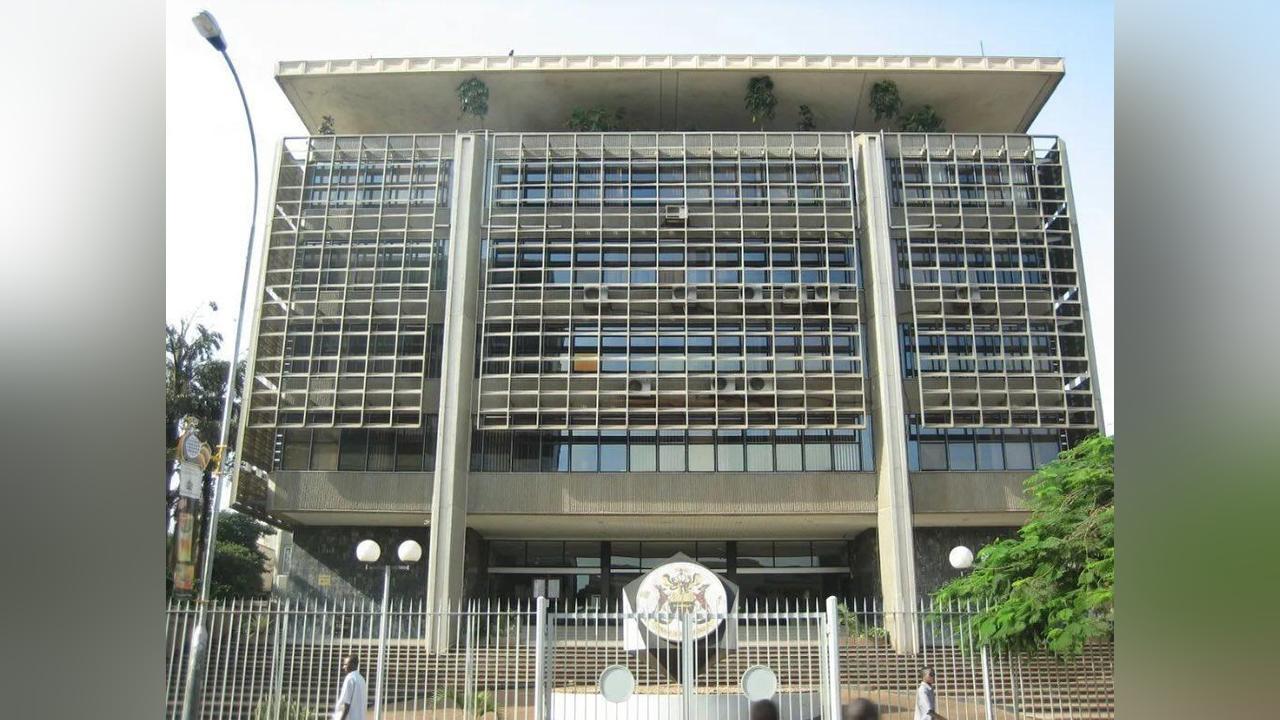
Africa-Press – Uganda. The Bank of Uganda (BoU) has registered strong investor appetite in its latest Treasury Bill auction, with total bids reaching Shs1.17 trillion, more than three times the Shs355 billion target.
Auction No. 1222, conducted on February 11, 2026, drew robust interest across all tenors, with the 364-day paper attracting the largest share of submissions.
The one-year Treasury Bill received Shs1.028 trillion in tenders against Shs255 billion offered.
Of this amount, Shs1.026 trillion came from competitive institutional bidders, underscoring strong participation from pension funds, insurance companies, commercial banks and other large investors seeking stable returns.
Shorter-term instruments also posted solid performance. The 182-day bill attracted Shs95.8 billion in bids compared to Shs75 billion offered, while the 91-day tenor drew Shs46.1 billion against Shs25 billion on offer.
Analysts say the broad-based demand reflects ample liquidity in the domestic market and sustained investor confidence in government securities.
Yields remained attractive across all maturities. The 364-day bill cleared at an effective yield of 12.50 percent, while the 182-day and 91-day papers settled at 11.99 percent and 10.50 percent, respectively.
Market observers note that competitive returns, coupled with a predictable monetary policy framework, continue to support both institutional and retail participation.
The auction comes amid government efforts to align the financial sector with Uganda’s Tenfold Growth Strategy, which targets expansion of the economy to $500 billion (about Shs1,900 trillion) by 2040.
BoU Governor Michael Atingi-Ego recently emphasised that achieving this ambition will require “financing at a breakthrough scale,” backed by a firm and forward-looking regulatory framework.
He underscored the need to deepen domestic capital markets to mobilise long-term financing for transformative projects.
Officials say domestic debt instruments such as Treasury Bills remain central to financing priority sectors including agro-industrialisation, tourism, mineral development — particularly oil and gas — as well as investments in science, technology and innovation.
While experts cite the high bid-to-cover ratios as evidence of confidence in Uganda’s macroeconomic stability, they caution that maintaining fiscal discipline and prudent debt management will be key to sustaining investor appetite over the medium term.
Overall, the latest auction reinforces the pivotal role of Uganda’s domestic debt market in funding public investment while offering competitive, low-risk returns to investors.