Africa-Press – Uganda. Uganda has declined to appear before the European Parliament over allegations surrounding its recently concluded general elections, setting up what is likely to be a one-sided hearing in Brussels and raising fresh questions about the diplomatic fallout.
The government’s position was made clear by the Permanent Secretary in the Ministry of Foreign Affairs, Vincent Bagiire, who ruled out participation in the February 23, 2026 session.
“We are a sovereign country. The EU has no mandate to summon us,” Bagiire said, framing the matter as one of principle rather than engagement.
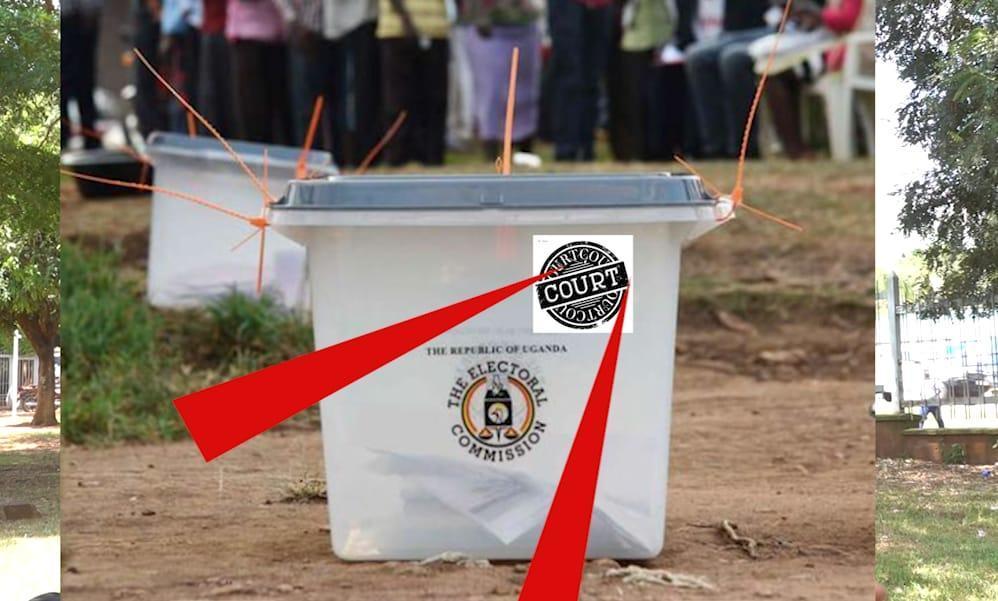
The hearing follows a petition lodged by the National Unity Platform (NUP), which challenged the credibility of the elections and alleged voter rigging and political persecution.
Representatives and observers from the African Union (AU), the Common Market for Eastern and Southern Africa (Comesa) and the Intergovernmental Authority on Development (IGAD) are expected to attend the session alongside NUP officials — but without representation from Kampala.
Uganda’s absence effectively leaves European lawmakers to deliberate without a formal rebuttal from the state, a move that has divided opinion among diplomats and political actors.
Edith Ssempala, Uganda’s former ambassador to the Nordic countries, the United States, the African Union, Ethiopia and Djibouti, cautioned that diplomacy often requires showing up, even where jurisdiction is disputed.
“If not, at least, the Minister of Foreign Affairs is there to defend us, it means Uganda is guilty,” Ssempala said, arguing that silence on such a platform risks being interpreted as concession.
Former presidential candidate Mubarak Munyagwa, however, dismissed the significance of the hearing, contending that the European Parliament wields little direct authority over Uganda’s domestic political processes.
“The EU is a toothless dog. They are just going to make academic recommendations,” Munyagwa said.
The broader question now is what practical consequences could follow.
The European Union remains one of Uganda’s key development partners, channeling substantial support through grants and concessional financing, particularly in governance, infrastructure and social development programmes.
While resolutions of the European Parliament are not legally binding, they can influence policy direction within EU institutions and shape funding priorities, especially in areas linked to human rights and democratic governance.
Diplomatic analysts note that adverse recommendations could tighten scrutiny around governance programming or affect the tone of future cooperation frameworks.
At the same time, Uganda maintains strategic partnerships across multiple blocs, potentially cushioning immediate impact.
Retired Major Awich Pollar, director of external affairs in the NRM, suggested the government still has room to manage any fallout by formally communicating its position.
“Government can show the EU measures in place to promote human rights in Uganda and quote presidential directives that have been enforced,” he said, adding that engagement need not imply submission.
Whether Kampala opts for a late diplomatic intervention remains unclear. For now, proceedings in Brussels are expected to go ahead without Uganda’s official response — a development that could shape the tenor of relations between Kampala and the European Union in the months ahead, and test the balance between assertions of sovereignty and the realities of international accountability.