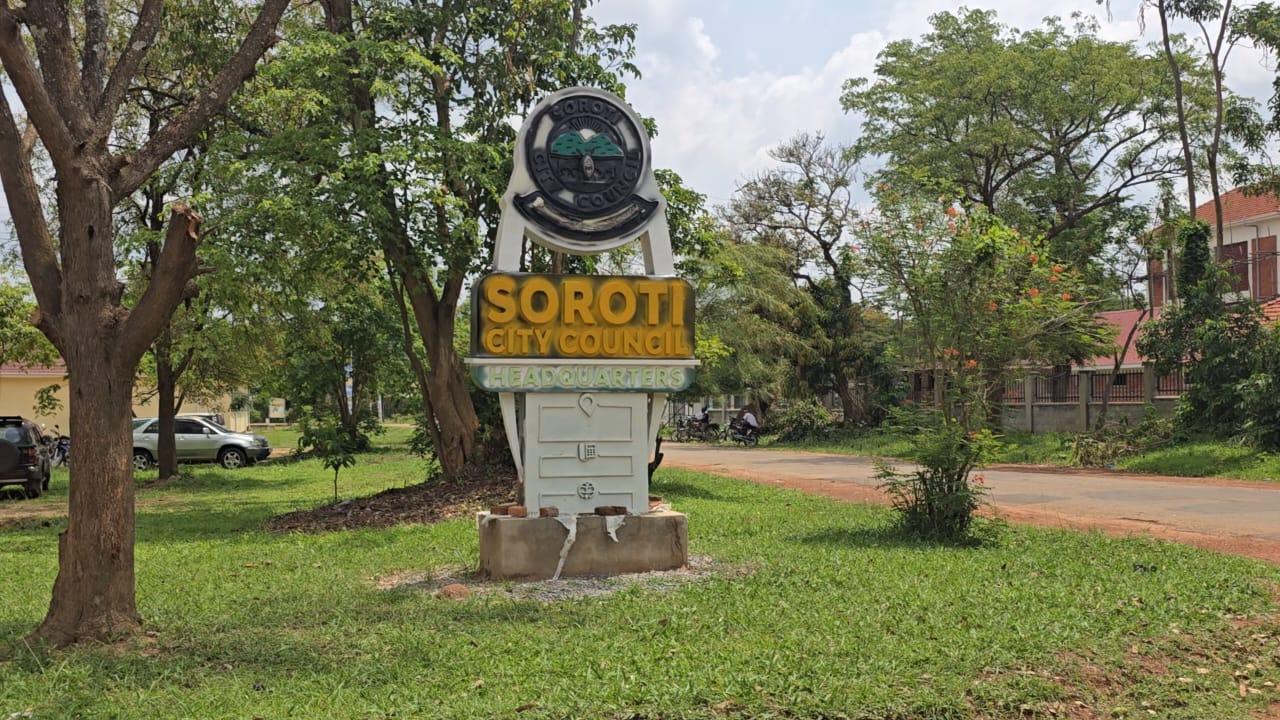
Africa-Press – Uganda. There was once a time when Soroti was not just a place on the map but a model of civic pride. Under the leadership of Mike Mukula, the town carried an atmosphere that blended bold political leadership with a strong sense of community belonging.
For many residents, those years are remembered as a period when the town felt alive and closely connected to its people, long before the changes that accompanied its growth from municipality to city altered its character.
One of the most memorable features of that era was the legendary gatherings at the Soroti Golf Course, where political rallies often turned into community celebrations. The events were popularly known for the “politics of the plate,” where steaming plates of pilau were served to the crowds.
For many, the meal symbolised more than hospitality. It represented a rare moment where political leaders and ordinary residents shared the same space, creating a sense of unity that went beyond speeches and campaign promises.
Beyond the festivities, Mukula’s tenure was also remembered for his emphasis on health and education. During his time as a minister in the national government, residents say the town benefited from a renewed focus on improving public services and promoting better standards of wellbeing.
For supporters, Mukula’s presence in the town was unmistakable. The sound of “Katodi,” a rhythmic buzz associated with his arrival, often signalled that the captain had returned home. For many residents, it symbolised energy, authority and a sense that the town’s affairs were being closely watched.
Cleanliness was another defining feature frequently associated with Soroti during that period. The town was widely regarded as one of the cleanest urban centres in East Africa, with strict attention paid to sanitation and public order.
The Old Bus Park along Serere Road was strictly regulated, helping to maintain smooth transport operations and organised public spaces.
Accessibility also defined Mukula’s leadership style, according to those who remember the period. Residents say he was known for being approachable and responsive, often engaging directly with voters rather than keeping a distant political profile.
Today, as Soroti continues to expand and confront the challenges of urbanisation, some residents look back on that era with nostalgia. For them, the memory is not simply about a political figure, but about a time when the town was defined by clean streets, organised spaces and a strong sense of civic pride.
The reflection raises a broader question for today’s leaders and residents alike: how can Soroti reclaim that spirit of order, community and shared responsibility as it shapes its future.
Source: Nilepost News