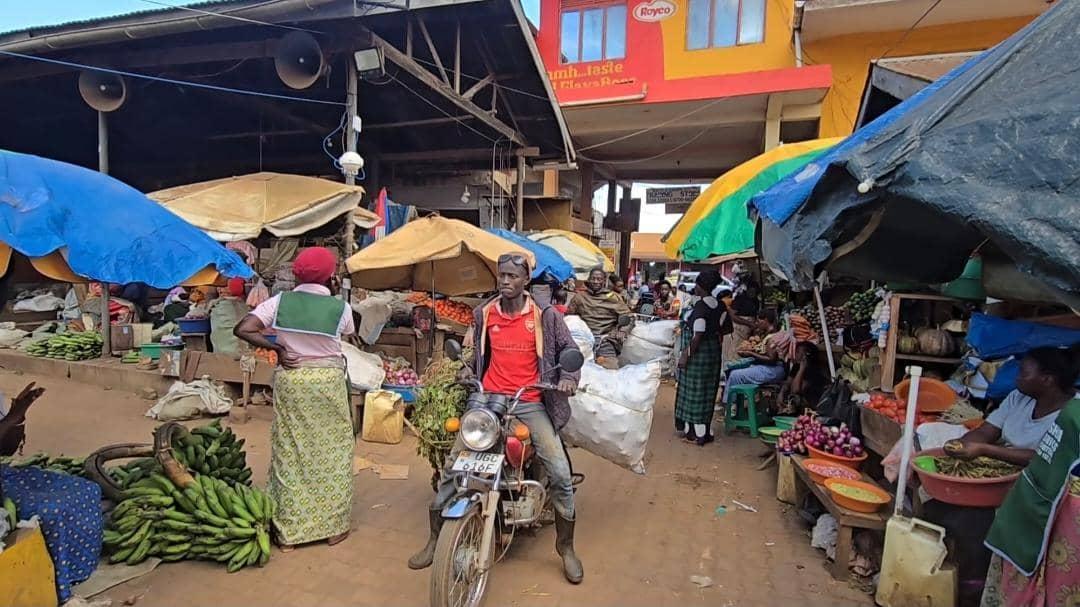
Africa-Press – Uganda. Traders operating in Mityana Central Market have raised concerns over what they describe as high taxes and market dues, saying the charges are becoming increasingly difficult to sustain amid declining business.
According to the traders, customer traffic within the market has significantly dropped, with many buyers opting to purchase goods from roadside vendors and informal traders operating around the market.
This shift, they say, has placed them at a disadvantage.
“Business inside the market has greatly declined because many customers now prefer buying from vendors outside the market where prices are sometimes lower, yet we are the ones required to pay taxes and other market dues,” said Dan Ssewali, a trader.
The traders argue that informal vendors operate without paying the same taxes and fees, creating what they describe as unfair competition.
Those inside the market are required to meet various financial obligations, including daily dues and operational costs, even as their sales continue to decline.
“We pay taxes and other fees to operate in the market, but when customers buy from people selling along the roadside, our businesses suffer. Authorities should regulate these vendors so that competition becomes fair,” said Harriet Zziwa, another trader.
Some traders say they are struggling to meet daily financial obligations due to reduced sales, warning that the situation could worsen if no action is taken.
They are now appealing to Mityana Municipality authorities to enforce market regulations and ensure that all vendors operate under similar conditions.
They believe stricter control of roadside trade around the market would help restore customer flow and create a more level playing field.
Local authorities have previously emphasized the role of organized markets in maintaining order, sanitation, and revenue collection.
However, traders insist that stronger enforcement is needed to balance the interests of formal market operators and informal vendors.
They argue that resolving the issue would not only improve their livelihoods but also strengthen the local economy through fair and structured trade.