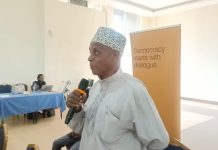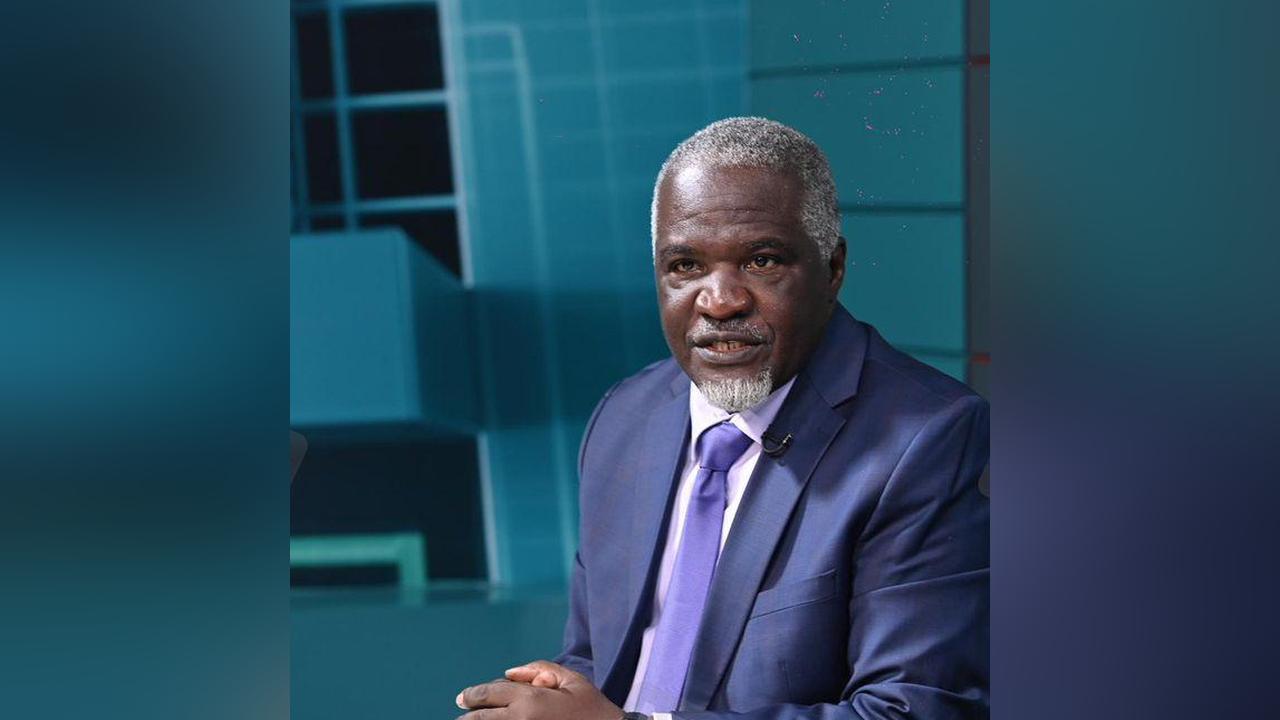
Africa-Press – Uganda. Bufumbira County East Member of Parliament Eddie Kwizera has called for a more structured and transparent national dialogue to address the country’s post-election tensions, raising concerns about the effectiveness and independence of key government institutions.
Speaking during NBS Morning Breeze on Monday, Kwizera emphasized the need for a comprehensive national conversation to evaluate Uganda’s progress since the Constitution of Uganda, questioning whether it continues to serve all citizens equitably.
“A national dialogue would be looking at how far we’ve come since the 1995 Constitution. Is it working for everybody?” he said.
Kwizera also weighed in on the issue of political prisoners, pointing to what he described as institutional lapses within the justice system. He questioned whether the Directorate of Public Prosecutions and the courts are fully executing their mandates.
“On the issue of political prisoners, I would think we have a functioning judiciary and DPP. Had the DPP department done its work? What is court doing? Who is responsible? That’s where we should be focusing,” he said.
Kwizera further criticized prolonged pretrial detention, noting that some individuals remain on remand for extended periods, sometimes up to three or four years.
“If all organs of government were functioning independently, would you have people on remand for 3–4 years?” he asked.
He also raised concerns about the motivations of political actors, arguing that self-interest often undermines meaningful engagement.
“In Uganda, most politicians go for individual benefits. Dialogue would be more meaningful if the agenda were set and made public,” he said.
Despite his concerns, Kwizera acknowledged the importance of dialogue in promoting national unity and governance, noting that any efforts aimed at achieving peace and stability should be supported.
“Dialogue has always been there, but whether it meets public expectation or qualifies to be called national dialogue is another case,” he added.
Kwizera’s remarks come amid a broader national debate following the January 15, 2026 general elections, with increasing calls for an inclusive national dialogue. Opposition leaders continue to maintain that the electoral process was flawed, demanding reforms, accountability, and stronger guarantees for political freedoms.
These concerns are further heightened by the absence of former National Unity Platform presidential candidate Robert Kyagulanyi Ssentamu, who remains abroad after going into hiding shortly after the polls.
His absence has fueled speculation, particularly amid reports of quiet negotiations between the NUP and the government claims the party has denied.
Meanwhile, the government maintains that the opposition is not under systematic attack, a position that continues to be contested by critics and opposition supporters.
Religious leaders and elder statesmen have also called for restraint and dialogue, urging both sides to prioritize national interests over partisan considerations. However, these efforts have yet to yield significant progress, reflecting persistent divisions and mistrust within the political landscape.
Public skepticism remains high, with many Ugandans questioning whether proposed dialogues will lead to meaningful reforms or remain symbolic gestures. Previous attempts at political engagement have produced mixed outcomes, further dampening confidence in the process.
As the country awaits clear signals from key political actors, the central question remains whether all sides are willing to create the conditions necessary for a sustainable resolution.
For now, national dialogue remains both a hopeful possibility and an uncertain path as Uganda navigates its post-election political landscape.