By Prince Obed
Africa-Press – Uganda. In a country where the energy and potential of young people often outpace the opportunities available to them, the launch of the MK Fund by Muhoozi Kainerugaba marks a notable shift in how youth empowerment can be approached.
Announced in February 2026, the shs 1 billion initiative signals an attempt to directly invest in the ideas, resilience, and entrepreneurial spirit of Uganda’s youthful population.
At its core, the MK Fund is designed to address one of the most persistent barriers facing young Ugandans—access to startup capital.
By offering seed grants of up to shs 1 million to individuals with viable business ideas, the fund places trust in youth innovation while removing the burden of repayment. This non-repayable model reflects a growing recognition that meaningful empowerment goes beyond loans; it requires creating space for experimentation, growth, and even failure.
General Muhoozi’s decision to double the fund from an initial shs 500 million to shs 1 billion also drew public attention.
In his own words, the move was inspired by faith: “My God, Jesus Christ, has ordered me to increase it.” While such a statement blends personal conviction with public leadership, it also underscores a broader message about commitment and urgency in addressing youth challenges.
The structure of the MK Fund further suggests an effort to balance ambition with accountability. Oversight by a Board of Trustees—including figures such as Jane Ruth Aceng and Frank Tumwebaze, alongside other public personalities—points to a governance framework intended to ensure credibility and transparency.
The planned establishment of a review committee and an online application platform could also enhance accessibility and fairness in the selection process.
Equally significant is the fund’s emphasis on inclusivity. By allocating at least 30 percent of its grants to women and ensuring regional balance, the initiative acknowledges long-standing disparities in access to economic opportunities. In doing so, it aligns with broader national goals of equity and social cohesion.
Importantly, the MK Fund does not exist in isolation. It complements existing government programmes such as the Parish Development Model, which aims to transition households into the money economy.
Where the Parish Development Model focuses largely on rural transformation, the MK Fund fills a critical gap by targeting urban youth and innovation-driven enterprises.
This layered approach could strengthen Uganda’s overall development ecosystem if well coordinated.
Public reaction to the initiative has largely been positive, particularly among young people who see it as both a lifeline and a vote of confidence. For many, the fund represents more than financial assistance—it symbolizes recognition of their role in shaping Uganda’s future.
Beyond immediate benefits, the long-term implications of the MK Fund are worth considering. Strategic investment in youth-led enterprises has the potential to stimulate job creation, boost local production, and encourage homegrown innovation.
In a global economy increasingly driven by ideas and technology, such investments are not just beneficial—they are necessary.
However, the true measure of the MK Fund will lie in its implementation. Transparency in beneficiary selection, effective monitoring of funded projects, and sustainability of the initiative will determine whether it achieves its intended impact.
Expanding the fund through partnerships with the private sector and development agencies could also be key to ensuring its longevity.
Ultimately, the MK Fund sends a clear message: Uganda’s future depends on how well it nurtures and empowers its young people.
It reflects a leadership approach that is responsive to contemporary challenges and attentive to the aspirations of the next generation.
If effectively executed, this initiative could become more than a short-term intervention—it could serve as a model for inclusive, youth-driven socio-economic transformation.
For many young Ugandans, it represents a rare and timely opportunity. For the country, it may well signal the beginning of a more deliberate investment in its greatest asset—its people.
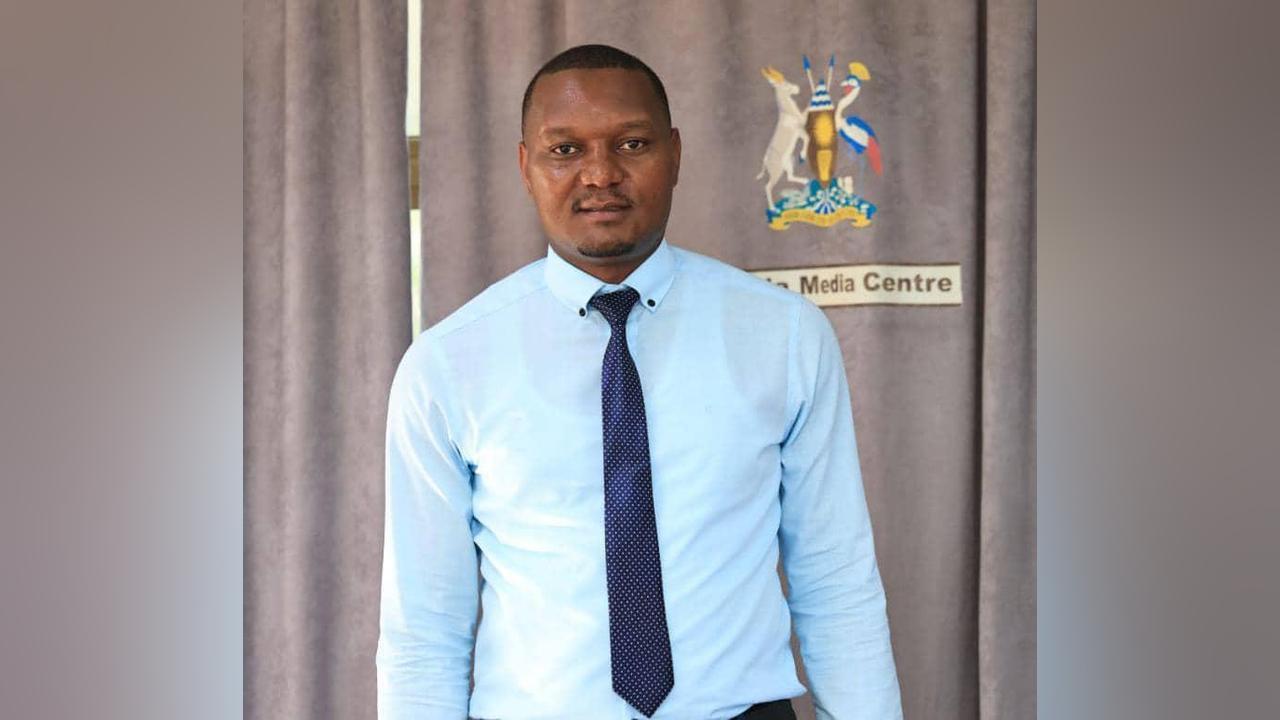
The writer works with the Uganda Media Centre.
Source: Nilepost News