By Nabil Segawa
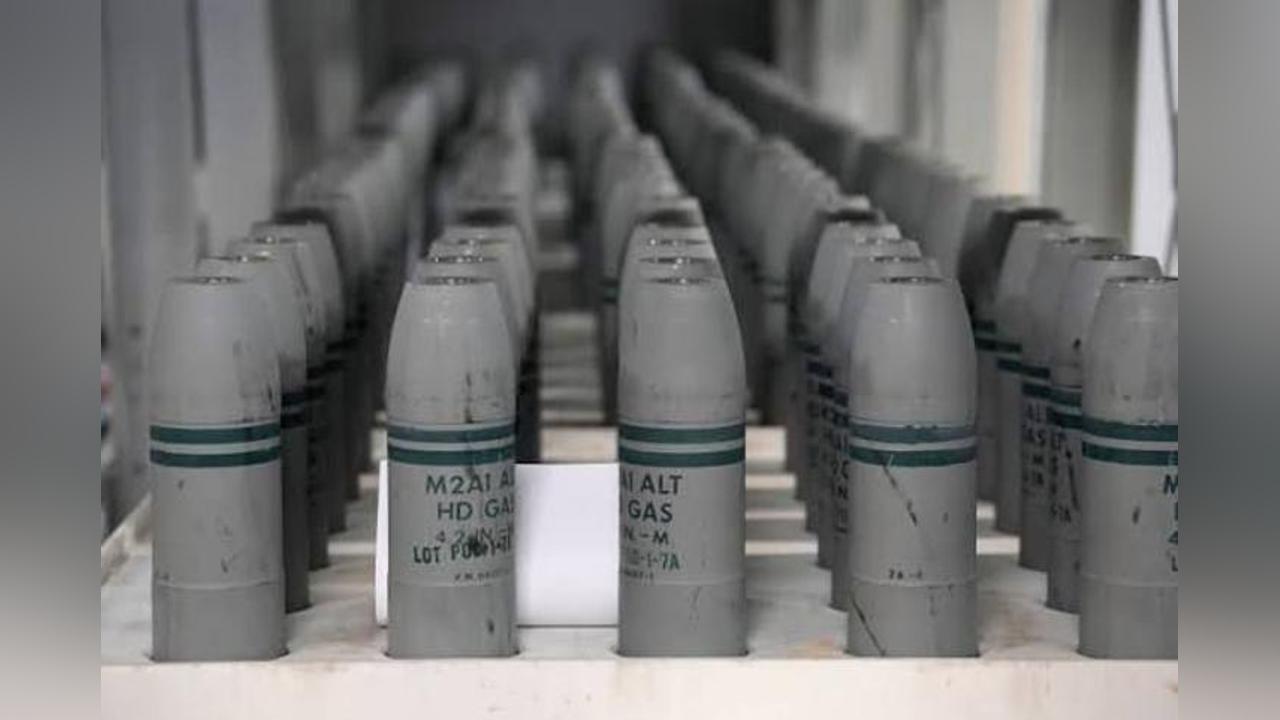
Africa-Press – Uganda. The global effort to eliminate chemical weapons remains one of the most notable successes of modern multilateral diplomacy.
At the center of this achievement is the Organisation for the Prohibition of Chemical Weapons (OPCW), mandated to implement the Chemical Weapons Convention.
The OPCW has earned global respect for its technical expertise, neutrality, and commitment to international law. However, rising geopolitical tensions now threaten to undermine its credibility.
Since the Convention entered into force in 1997, more than 99 percent of declared chemical weapons stockpiles have been destroyed under OPCW supervision an achievement that earned the body the Nobel Peace Prize in 2013.
This success has been built on principles of impartiality, sovereign equality, and consensus-based decision-making, ensuring technical processes remain insulated from politics.
However, concerns are growing, particularly among developing countries, that increased reliance on voting rather than consensus risks politicising the OPCW. Critics warn that powerful states could influence outcomes to serve geopolitical interests rather than scientific findings, potentially weakening trust in the institution.
Such concerns carry serious implications. Trust is central to compliance with arms-control agreements, and any erosion could undermine adherence to the Convention and broader global disarmament efforts.
Scholars, including Richard Price in The Chemical Weapons Taboo, emphasize that the strength of norms against chemical weapons depends on the credibility of enforcement institutions.
For developing nations, including Uganda, the issue is particularly significant. These countries rely on multilateral systems to ensure fairness in global governance.
Within blocs such as the Non-Aligned Movement and the African Group at the United Nations, there is growing emphasis on preserving consensus to prevent marginalization by major powers.
Uganda’s diplomatic tradition anchored in sovereignty, non-interference, and equitable participation—positions it well to contribute to this debate. Figures like Mirjam Blaak have long advocated for inclusive reforms that strengthen institutions through fairness and respect for international law.
In practical terms, Uganda can promote transparency in investigations, reinforce procedural safeguards, and encourage wider consultation among member states.
Through engagement with the Non-Aligned Movement and the African Group, it can help build consensus on protecting the OPCW’s impartiality while ensuring accountability.
In an era of intensifying geopolitical rivalry, preserving the integrity of international institutions is essential.
The OPCW’s mission to eliminate chemical weapons remains critical to global security. Safeguarding its neutrality is therefore not just a diplomatic necessity but a shared global responsibility.
Author is a private Researcher
Source: Nilepost News
For More News And Analysis About Uganda Follow Africa-Press