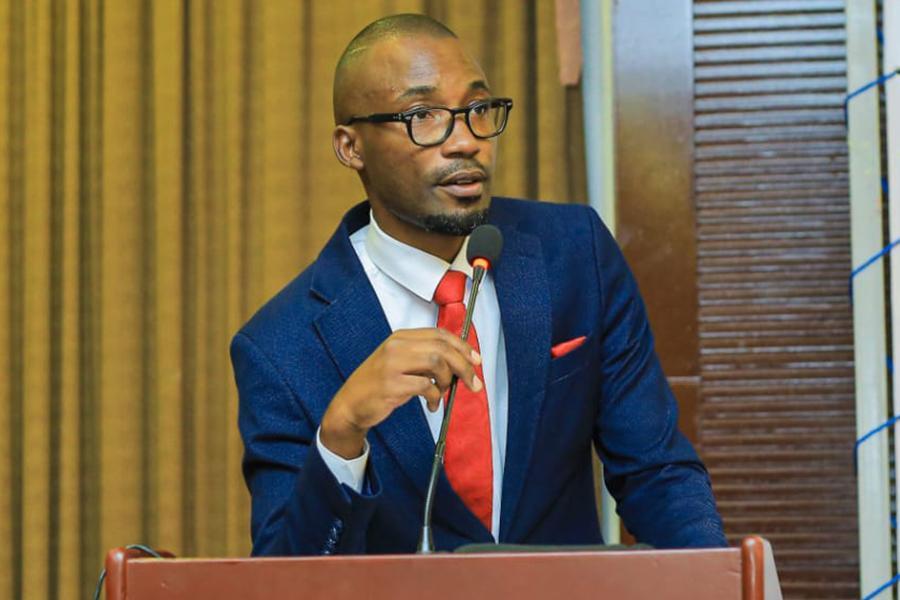
By Smartson Ainomugisha
Africa-Press – Uganda. Imagine being told you need urgent, costly surgery, only to later discover the diagnosis was wrong and the procedure unnecessary. Worse still, imagine going through that surgery and living with permanent consequences.
For a growing number of Ugandans, this is not hypothetical—it is reality. It points to a critical but underreported weakness in the country’s healthcare system: disease misdiagnosis.
Misdiagnosis in Uganda is no longer an isolated occurrence. It is an emerging systemic risk with serious medical, financial, and psychological consequences, yet it remains largely absent from public discourse.
I have experienced this firsthand. Two years ago, after developing sudden knee pain, I consulted an orthopedic surgeon who, after a basic X-ray, recommended immediate surgery costing over five million shillings. Unconvinced, I sought a second opinion. Another specialist ordered a CT scan and arrived at a completely different diagnosis—again recommending surgery, but of a different kind. Faced with conflicting expert opinions, I chose to wait. With time, rest, and no surgical intervention, the pain resolved completely.
A similar pattern emerged when I suffered persistent abdominal pain. At multiple health facilities, I was diagnosed with ulcers and placed on prolonged medication. A gastroenterologist later recommended an endoscopy costing approximately four million shillings. However, after seeking another opinion, a more thorough evaluation found no physical illness. The root cause was psychological stress following the loss of close family members. With counselling and lifestyle adjustments, the symptoms disappeared—without invasive procedures or financial strain.
These experiences are not unique. A colleague in late-stage pregnancy was informed at a reputable hospital that she had fibroids requiring urgent surgery costing ten million shillings to save both her life and that of her unborn child. A second opinion contradicted this diagnosis entirely. The pregnancy proceeded without complications, and she delivered a healthy baby.
Such cases point to a troubling pattern: conflicting diagnoses, premature recommendations for invasive procedures, and a tendency toward costly interventions that may not always be clinically justified.
Empirical evidence supports these concerns. A 2023 doctoral study by Katongole and colleagues, conducted across five general hospitals in central Uganda, found that approximately 9.2 percent of hospitalized patients were misdiagnosed. Commonly misdiagnosed conditions included peptic ulcer disease, malaria, hypertension, gastroenteritis, and pneumonia—ailments that account for a significant share of Uganda’s disease burden.
The causes of misdiagnosis are complex. Structural challenges such as understaffing, heavy patient loads, and inadequate diagnostic equipment limit clinicians’ ability to make accurate assessments. Weak laboratory systems and gaps in referral processes further compound the problem. Notably, patients admitted at night are three times more likely to be misdiagnosed, highlighting the impact of fatigue and reduced service capacity during off-peak hours.
Beyond systemic constraints, concerns about financial incentives cannot be ignored. In some cases, there is a perception that high-cost procedures are recommended not solely based on medical necessity, but also on their revenue potential. Whether real or perceived, this undermines trust in the healthcare system and places patients at risk.
The consequences of misdiagnosis go far beyond financial loss. At its worst, it can lead to preventable deaths. Unnecessary surgeries may result in lifelong disability, while incorrect treatment allows underlying conditions to worsen. The psychological toll is also significant, with patients and families enduring emotional distress after being misinformed about serious conditions.
Despite these impacts, most cases go undocumented. Cultural norms, stigma, and limited awareness discourage patients from questioning medical authority or speaking publicly about their experiences. As a result, the true scale of misdiagnosis in Uganda is likely far greater than current data suggests.
Addressing this crisis requires deliberate and systemic reform. Strengthening human resources in healthcare is essential. Recruiting more medical personnel would ease workload pressures and improve diagnostic accuracy. Investment in modern diagnostic equipment and laboratory infrastructure is equally critical to support evidence-based care.
Training must also be enhanced, particularly in areas where misdiagnosis is most common. Continuous professional development and greater standardization in diagnostics can reduce variability in clinical judgment. Nighttime healthcare services require urgent attention, with improved staffing and supervision to mitigate higher risks during these hours.
Accountability is equally important. Health institutions must establish clear mechanisms for reporting, reviewing, and addressing cases of misdiagnosis. Transparency should replace silence, and lessons learned should inform system-wide improvements.
Patient empowerment is another critical pillar. Ugandans must be made aware of their right to seek second opinions, ask questions, and report suspected negligence. Public education campaigns—delivered through health facilities and community outreach in local languages—can play a transformative role in changing patient behavior.
At an individual level, a cultural shift is needed. Seeking a second or even third medical opinion before undergoing major procedures should become standard practice, not the exception. Questioning a diagnosis is not defiance—it is a necessary safeguard in an increasingly complex healthcare environment.
Disease misdiagnosis is not just a clinical issue; it is a public health concern with far-reaching implications for trust, equity, and economic stability. Left unaddressed, it risks eroding confidence in Uganda’s healthcare system. Confronting it openly, however, presents an opportunity to strengthen that system and better protect the lives it is meant to serve.
The time to act is now.
Source: Nilepost News
For More News And Analysis About Uganda Follow Africa-Press