Africa-Press – Uganda. In the last decade, there has been a gripping narrative in condemnation of elections in Africa. Critics of the very expensive process that almost in many of the countries yields similar results and leaves little to suggest victories of the Opposition have argued that doing away with them would save public funds that can be invested in other life changing ventures.
Africa’s most recent elections have been in Congo Brazzaville, Ethiopia, and Djibouti needless to mention that all gave the same much anticipated results; victories for the incumbents, crackdown on the Opposition, misuse of public resources, in extreme circumstances boycott by the Opposition, internet shutdowns and regrettably death of citizens characterised the elections.
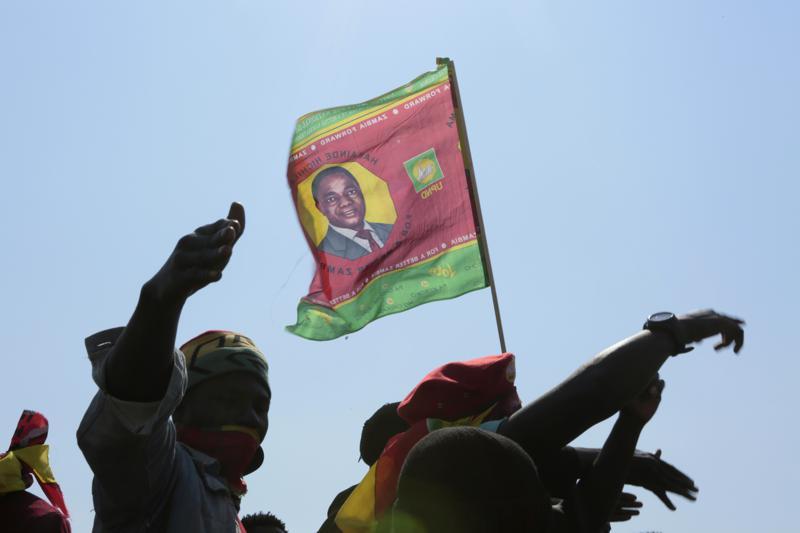
The emotions born out of the ugly events before, during and after elections in a certain way justify the sentiments of the critics and low voter turnout because to the citizens, this process is close to useless. In the same year when Africa has witnessed contentious elections, Zambians went to the polls on August 12 faced with the same challenges like those in other countries. But what does Zambia’s election mean to rest of Africa. An election that saw the Opposition secure a comfortable win with the incumbent on the contrary crying foul, something that’s so typical of the Opposition candidates in Africa. One of the biggest challenges in the elections conducted in Africa this year has been the pandemic that saw governments impose measures to restrict movement and association of people so as to curb the spread of coronavirus. But these have been used by incumbents to launch attacks on Opposition supporters and restrict assembly and campaign movements.
Zambia was not any different, it is alleged President Edgar Lungu abusively used the public order act to restrict the movement of his political opponents while members of his party were free to mobilise at will while the police service was equally used against his political opponents in the name of upholding Covid-19 public health directives with great bias. However, not withstanding, all that the Zambians, especially the youth, turned out in large numbers to cast their vote on Tuesday last week. The country registered a 70 per cent voter turnout that saw a sitting president lose an election in Zambia.
The high turnout speaks to the confidence that citizens have in the elections process that it can give the change that they seek in their livelihood despite irregularities in the process. Not even the intimidation and crackdown made them think an election would not get them the results and this is a plus for Zambia unlike other African countries that have seen a large decline in the turnout this year. The process therefore proves to be important but endurable when it has little to change about the results.
Lastly was the independence of the electoral commission of Zambia as an institution. In many African countries the president is the appointing authority for the commissioners and chairperson which leaves them in a compromised position with issues regarding the interest of the highest office in the land.
President Lungu appointed Justice Esau Chulu who had bipartisan support when presented to the country’s parliament, the confidence that legislators had in him was justified when he refused to take orders from the president to halt the counting of ballots citing irregularities and intimidation of the president’s supporters. Justice Chulu responded to the president reminding him of the constitutional duties of the commission, who it takes orders and that wasn’t him as well as the constitutional ways to raise concerns about a disputed election.
In conclusion Zambia’s future to constructing a firm democracy looks brighter than all countries that have been to the polls this year fundamentally they have got the questions of a peaceful transition, firm institutions and voter confidence figured out and the effects of the elections on the country are constructive.
Simon Luswata,
[email protected]