Africa-Press – Uganda. All students have a right to quality education, regardless of the challenges they face.
Unfortunately, the Covid-19 pandemic has disrupted access to education with government closing institutions of learning to minimise the spread of the virus.
Notably, remote learning has become a reality for most students and this has resulted in an onslaught of additional challenges, exacerbating the hurdles faced by learners living with physical, intellectual and other learning disabilities.
But as remote learning continues to be a feature of schooling, there is need to make it more accessible.
Nelson Mandela once said: “History will judge us by the impact we make in the everyday lives of children.”
To make the best out of remote learning, there are factors we need to critically analyse and these include;
Lesson planning:
From the onset of the pandemic, teachers mentioned that methods of teaching in classroom environments don’t translate directly to a remote environment.
As such, to make remote education accessible, there needs to be a responsive approach to planning lessons.
In order to draft an effective lesson plan it is vital to have students participate in the process as much as possible.
Students understand their individual needs and will be able to identify what aspects they struggle with.
Gaps in technological access: Students with disabilities use assistive equipment and this may explain their inability to use remote tools compared to others.
Additionally, learners from marginalised backgrounds may not have access to high-end equipment or as fast internet connections as others.
Faulty video gadgets:
Teachers’ interactions with students in remote learning are often truncated. So, making educational videos is a solution to providing students with longer lessons, and the ability to pause and repeat certain aspects as needed.
However, the world is evolving. If we want to foster continuity of remote learning, teachers and parents need to make the remote classroom a more inclusive place.
Generally, it is not practical for the entire lesson day to be full group sessions but there should be opportunities for group discussions once in a while.
Schools should also utilise conference calling software that is accessible on all types of internet-connected devices and ensure that every student contributes ideas and engages with their peers.
Teachers can also create tasks that require collaboration with others. This can be in small groups to ensure truly diverse and valuable connections.
Since most lessons are recorded on video, schools and teachers should make sure they include on-screen text information alongside audio descriptions to cater for students who struggle learning from just class alone.
Remote schooling is still a relatively new scenario for many teachers, students and parents. As such, perhaps the most sensible approach to creating the most accessible remote educational experience is to work together in groups.
Once you have started implementing these changes, make regular reviews to assess the efficacy of the approach.
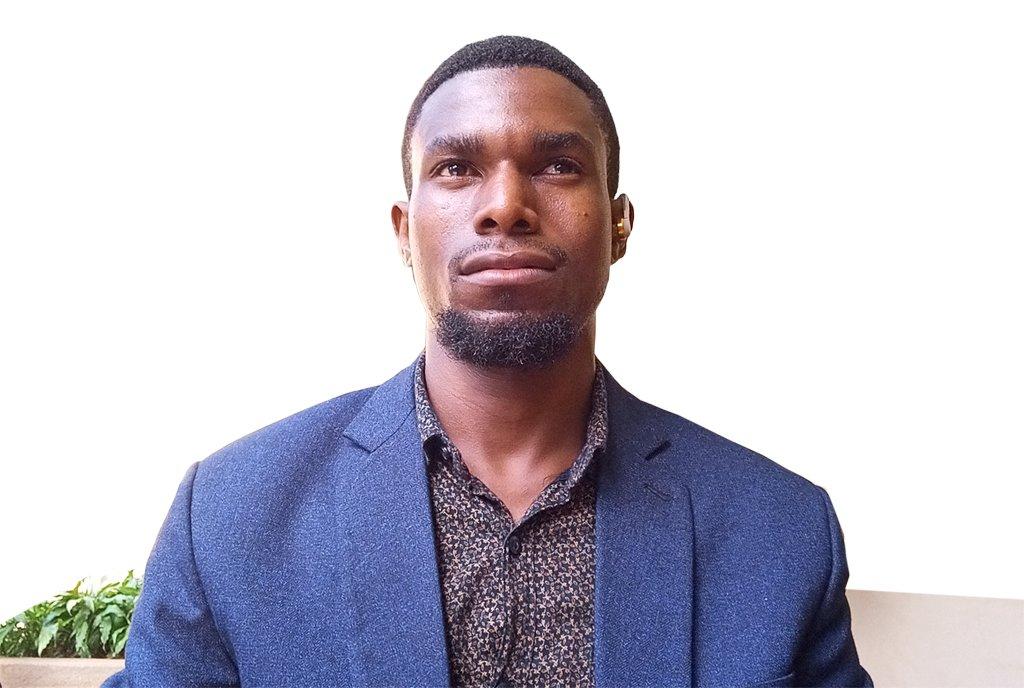
Nanyenya is a disability Iiclusion specialist at Joy For Children Uganda