Africa-Press – Uganda. After more than 80 weeks of closure – the longest in the world – government last month reopened schools. All learning institutions were closed in March 2020 to curb the spread of the Covid-19 pandemic that was ravaging the world.
Despite the relief that came with learners finally being back in classrooms, the reopening of schools was bound to have challenges. First was the increase in number of learners. For close to two years, children attaining school-going age could not join school, yet their counterparts in the same class were also at home.
Second was the challenge of teachers opting for other ventures to make ends meet. Some teachers, especially those from private schools, turned to businesses such as brickmaking, boda boda riding, chapatti making, among others, and found them more lucrative than teaching.
This meant that the increased number of learners were to be taught by fewer teachers. Also, it implied that there was going to be more pressure on the remaining teachers, especially those in government-aided schools since many privately owned ones closed shop during the Covid-19-induced lockdowns.
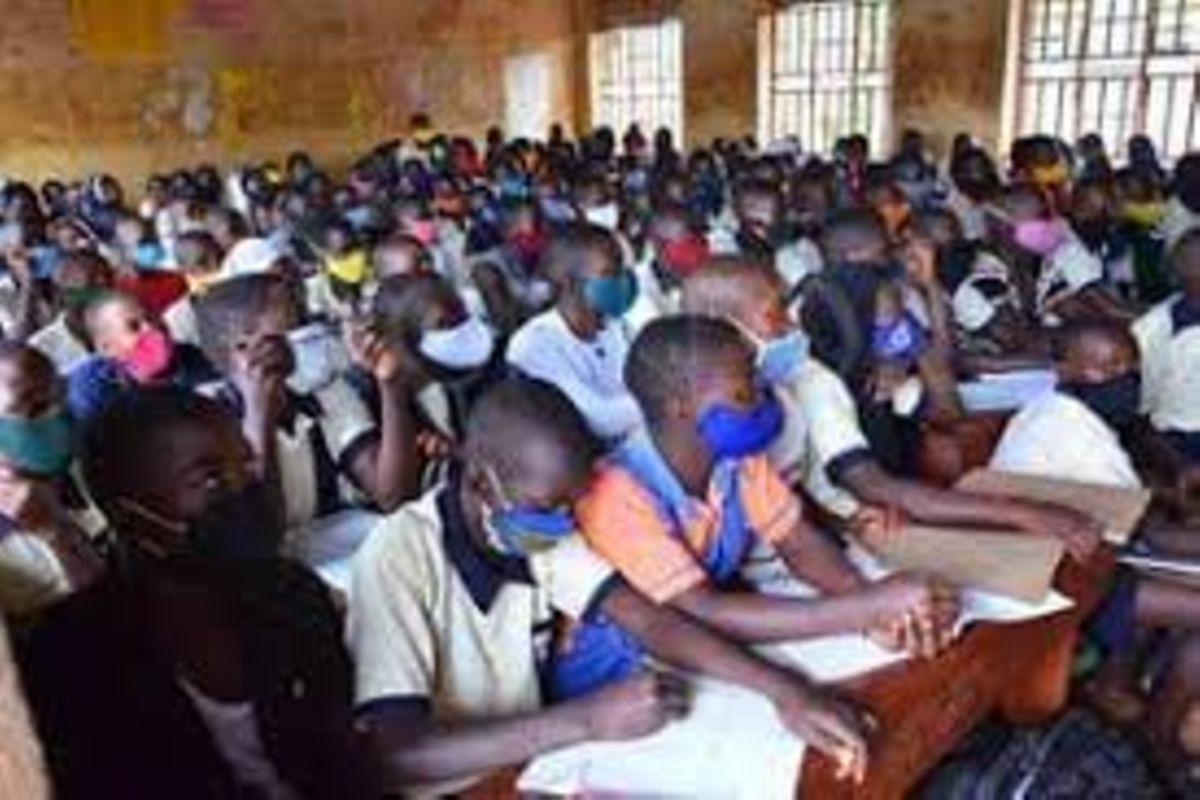
This week this newspaper reported that many upcountry schools were grappling with congested classrooms. Wobulenzi Public School in Luweero District, for example, has a population of 1,800 pupils, up from 1,400 before the lockdown – this is even after turning away many parents since more pupils could not be accommodated.
The increased number of pupils has put a strain not only on the staff, but also the school infrastructure. Desks that used to be shared by three pupils now have to be used by at least five learners. The number of pit-latrines have not increased, meaning the learners have to scramble for the limited ones.
Above all, the congested classrooms mean that standard operating procedures (SOPs) set out by both ministries of Health and Education cannot be followed. The crowded classrooms are a recipe for disaster.
It is our appeal that government moves quickly to decongest classrooms in upcountry schools before another disaster strikes.
Unicef this week deployed more than 450 climate-resilient emergency tents to support schools. This is a welcome move for the short-term and should be quickly followed by government promise to provide tents to schools with congested classrooms.
Where space allows, more desks need to be provided so that the learners can study comfortably, but also avoid diseases that can easily be spread through congestion.
Finally, government needs to budget for more classrooms and recruitment of new teachers. Anything short of this is an education time bomb for the government.
Our commitment to you
We pledge:
Further, we ask that we be informed whenever you feel that we have fallen short in our attempt to keep these commitments.
For More News And Analysis About Uganda Follow Africa-Press