Africa-Press – Uganda. In May 12, 2016 soon after he was sworn, President Museveni said that his fifth term would be in“Kisanja Hakuna Mchezo, Swahili for “a term of serious work”. We will not delve into the level of seriousness or commitment that were exhibited and the results. Covid-19 put paid to that.
The effects of the pandemic are however still with us. The war in Ukraine has not helped. Inflation is at its worst in a very long time. The prices of fuel and other consumer goods have gone through the roof. We have a cost of living crisis on our hands. That we desperately need to see the government do something would be an understatement.
The British author, Ms Lesley Pearse, once pointed out that, “You cannot do anything about the past, it is done and cannot be mended. But the future is different, if you just think what you really want and reach out and take it.”
The buck stops with it. It has been entirely responsible for every aspect of the economy over the last 35 years. It cannot do anything about the past, but such as Ms Pearse said, it can make a difference by taking decisive action on especially those areas and sectors of the economy where the leakages and hemorrhage occur.
Two of the biggest talking points about the economy under the NRM have been around its appetite for borrowing and lack of frugality. Those need to be addressed this year.
Uganda seems to be prone to borrowing money even when it is either not ready to utilise or built the appropriate capacity to absorb the borrowed funds. In October 2021 Ministry of Finance officials tabled before Parliament a report that indicated that Shs40trillion that had been borrowed externally had not been utilised.
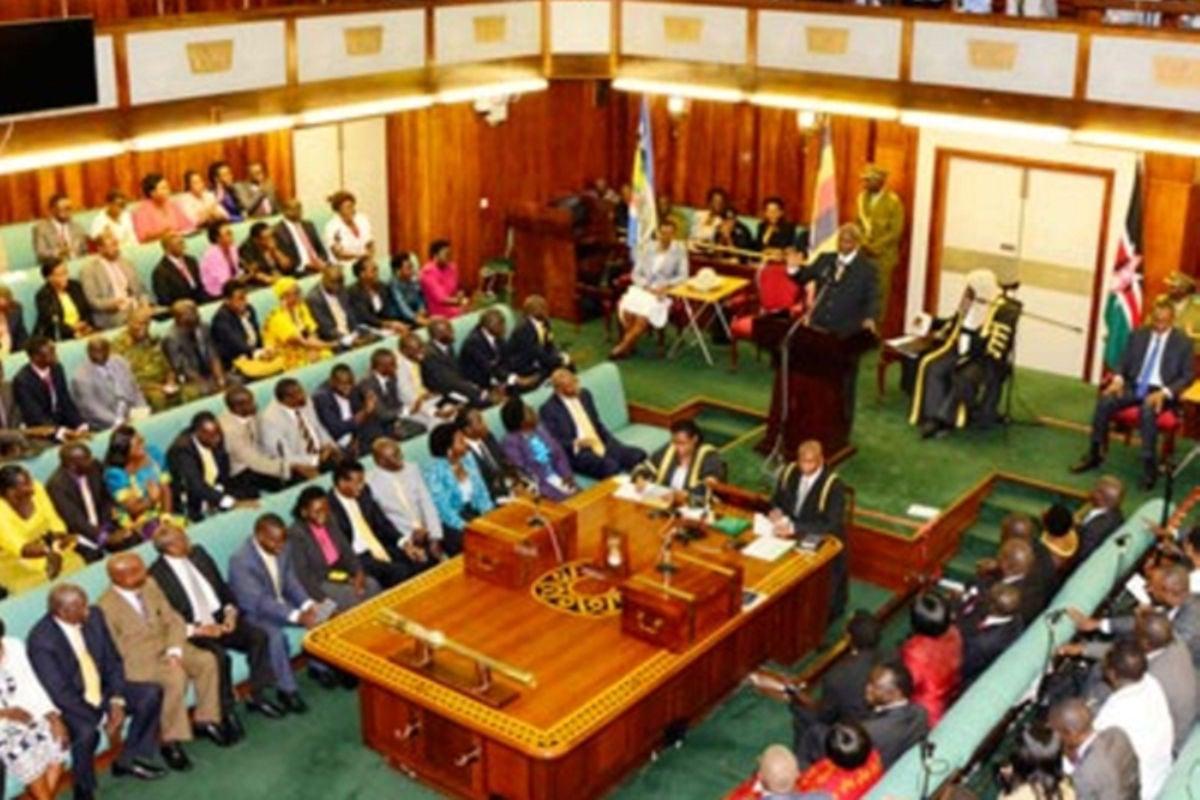
The International Momentary Fund (IMF) and the World Bank have over the last couple of years called us out for spending colossal sums of money on non-priority and nonproductive sectors. We for example have a parliament of 529 members; a cabinet of 80 plus; over 110 districts and district chairpersons and Speakers of those councils; over 150 RDCs and Deputies; over 1,140 chairpersons and Speakers of sub -counties and town councils, all of whom are maintained at a very huge cost. That takes a toll on the economy. Reducing those numbers calls for decisive action.
For More News And Analysis About Uganda Follow Africa-Press