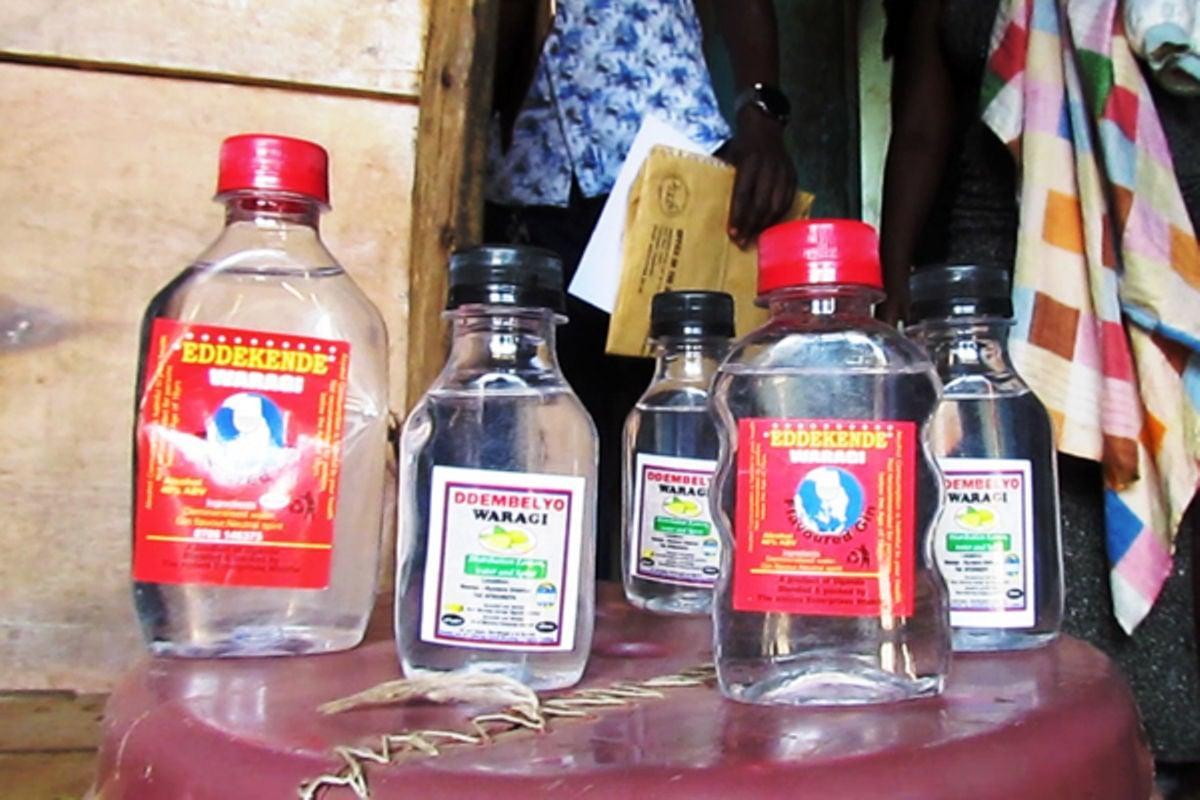
Africa-Press – Uganda. A year ago, Daily Monitor reported that six people died in Arua after consuming locally distilled alcohol not certified by Uganda National Bureau of Standards. This has been a trend over the years in different parts of the country including 18 deaths from excessive consumption of alcohol in Moroto District in 2018.
This week, we reported 10 mysterious deaths in Kyotera District, following which authorities submitted samples of blood and urine from the bodies of the deceased to the Government Analytical Laboratory, with the results revealing cause of death as alcohol poisoning. Members of the community had been consuming alcohol containing with methanol.
Before the release of the laboratory results on the Kyotera deaths, some of the residents were attributing the deaths to witchcraft. This highlights the need for mass sensitisation, especially in rural areas about the dangers of abusing alcohol and imbibing unlicensed local brews.
Findings contained in the Global Status Report on Alcohol and Health 2018 by the World Health Organisation show that of the alcohol consumed in Uganda, 86 percent cannot be categorised as beer, spirits or wines. This, therefore, raises questions on the nature and quality of alcohol available to most of the population. Tests and studies across the country would be a good starting point to establish what Ugandans are drinking in the name of alcohol.
This would not only provide crucial data but might inform policies on the control of the manufacture and sale of alcohol. While several laws exist to govern the sale and commercial placement of alcohol, penalties and controls need to be given serious consideration since the production of alcohol is fast evolving and awareness is not spreading fast enough.
According to statistics extracted from the Uganda Alcohol Policy Alliance’s Rapid Survey Report Availability and evaluation of Alcohol Regulations/Ordinances in Uganda conducted in 2022, more than 50 districts across the country reported that they were no regulations on alcohol in place. Where regulation or enforcement existed, local authorities in different districts were using different regulations/laws, including Enguli Act, district ordinances, and these were enforced by a range of officers including in some cases the police, district officials and parish chiefs, among others.
This clearly demonstrates a need for harmonisation of application and enforcement of alcohol regulation across the country, especially in areas where inadequate awareness is putting many lives at risk of alcohol poisoning.
For More News And Analysis About Uganda Follow Africa-Press