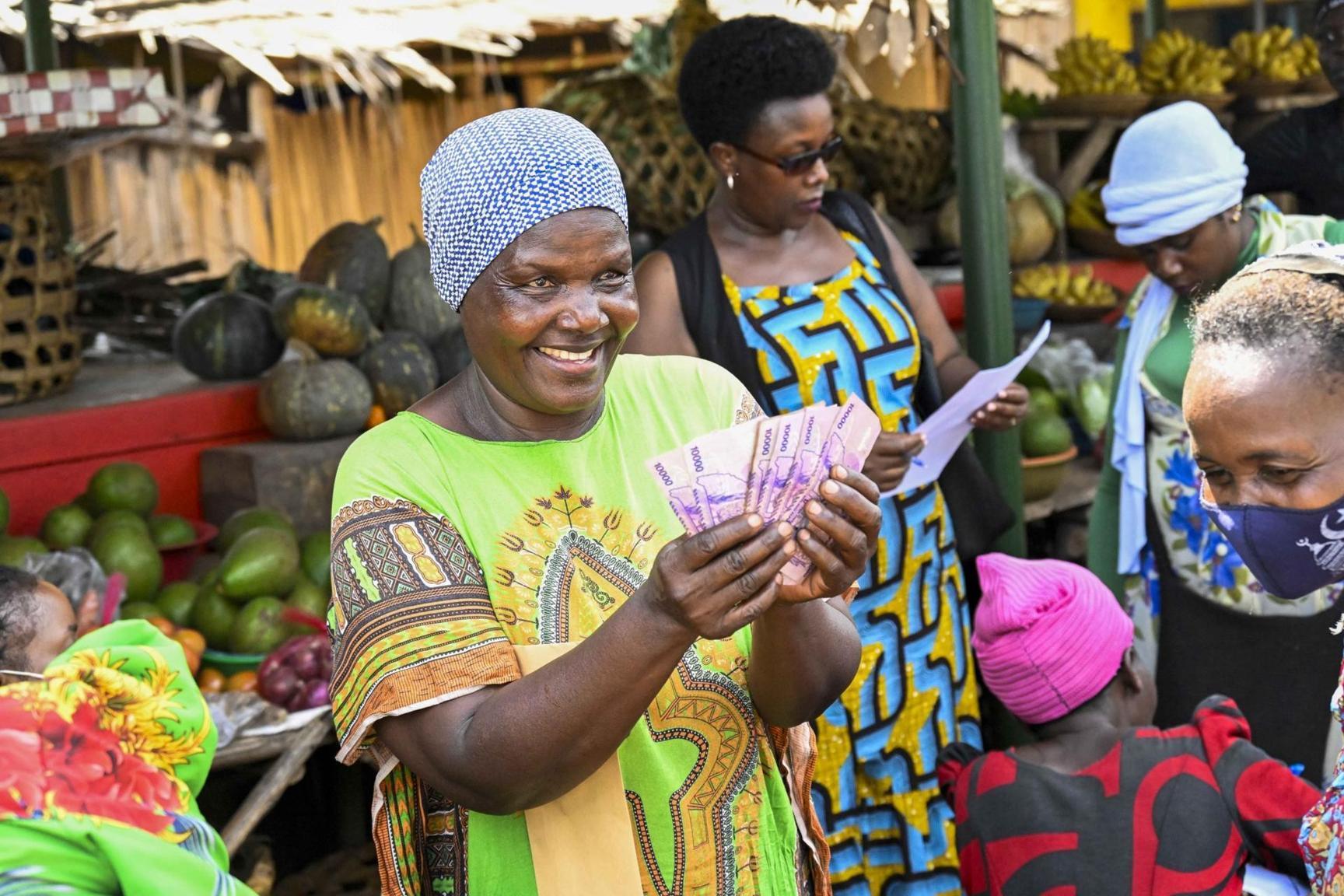
Africa-Press – Uganda. In Uganda’s economic landscape, the heartbeat of innovation and growth often emanates from the dynamic and industrious sector of Small and Medium Enterprises (SMEs).
As we continue our journey through the tapestry of Ugandan business, this article delves into the world of SMEs, unravels their contributions to the nation’s economy, explores the government’s role in supporting them, and sheds light on the initiatives aimed at bolstering this crucial sector. With a focus on empowerment and economic growth, this article aims to provide a comprehensive understanding of SMEs in Uganda.
The Vital Role of SMEs
SMEs form the backbone of Uganda’s economy. They are the unsung heroes, responsible for significant contributions to economic development, employment generation, and poverty reduction. They epitomize the spirit of entrepreneurship and ingenuity in a nation that thrives on innovation.
Government Support for SMEs
To foster an enabling environment for SMEs, the Ugandan government has introduced a range of initiatives and support mechanisms, including financial assistance, capacity building, and regulatory simplification. These measures aim to alleviate the challenges faced by SMEs and enhance their growth prospects.Set featured image
Initiatives to Support SMEs
Numerous initiatives, both public and private, are available to bolster SMEs. These include access to credit facilities, business development services, incubation programs, and market linkages. These initiatives provide critical support for SMEs to thrive in a competitive business environment.
The State of SMEs in Uganda
SMEs contribute significantly to Uganda’s economy, accounting for a substantial portion of the GDP and offering employment opportunities to a significant percentage of the population. Their resilience and adaptability are essential in driving economic progress.
Increasing the Contribution from SMEs
The government can further harness the potential of SMEs by creating a more conducive environment, streamlining business regulations, enhancing access to finance, and expanding market opportunities.
Entrepreneurial Insights
Before venturing into the SME sector, entrepreneurs must be well-informed about market dynamics, business planning, financial management, and regulatory compliance. Understanding these aspects can significantly impact the success of SMEs.
The Number of SMEs in Uganda
While precise statistics on the number of SMEs in Uganda are elusive due to the informal nature of many enterprises, it’s estimated that there are hundreds of thousands of SMEs operating in the country.
Unregistered SMEs
A considerable number of SMEs in Uganda operate informally and are not registered. The reasons for this vary but often revolve around challenges related to the registration process, taxation, and access to resources.
The Benefits of Being Registered
Formal registration offers SMEs numerous advantages, including access to financial services, legal protection, and opportunities for expansion. It also enhances credibility in the eyes of customers and partners.
Risks of Not Being Registered
Operating as an unregistered SME carries various risks, such as limited access to credit, legal vulnerabilities, and potential exclusion from government support programs. It can also hinder growth and sustainability.
In this exploration of SMEs in Uganda, we aim to provide a comprehensive overview of the sector, highlight the government’s role in supporting it, and underscore the significance of formal registration. By understanding the dynamics of SMEs in Uganda, entrepreneurs and policymakers can work together to strengthen the sector and fuel economic growth for the benefit of the entire nation.
Source: Nile Post
For More News And Analysis About Uganda Follow Africa-Press