By Faridah N Kulumba
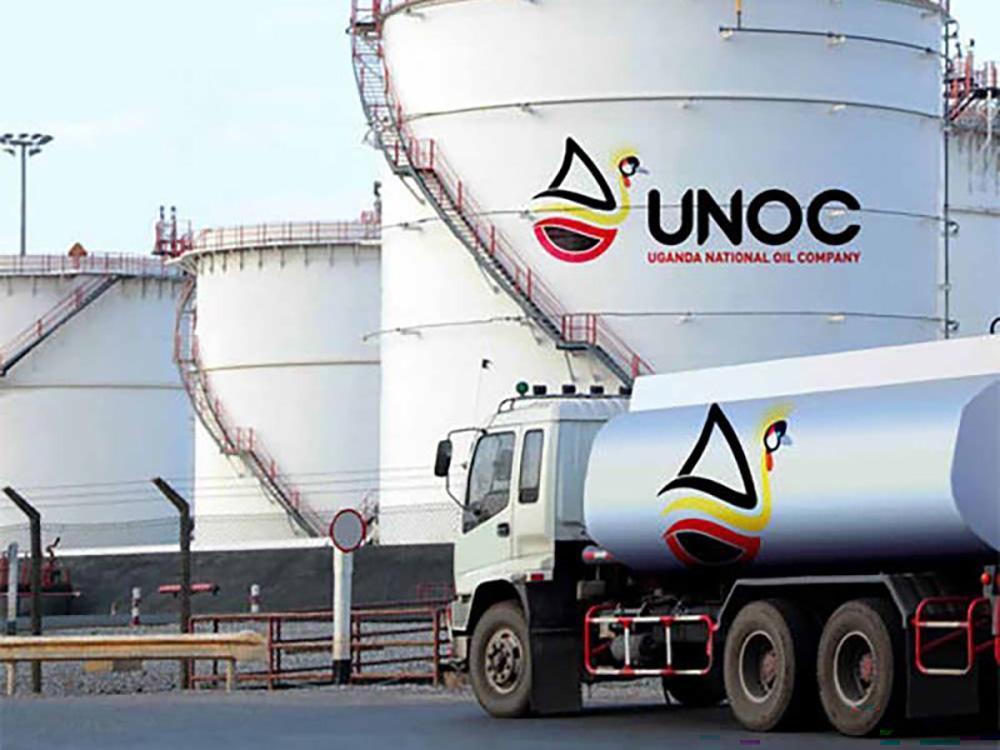
Africa-Press – Uganda. Authorities in the government of Uganda, on the 21st of this month happily shared the good news that neighbouring Kenya has given the country’s oil firm a green light to import petroleum products through its port of Mombasa. The news of Kenya clearing Uganda National Oil Company (Unoc) to start importing petroleum products using its infrastructure was confirmed by the Minister of Energy and Mineral Development of Uganda Ruth Nankabirwa.
The two nations fuel row
The fuel import row between Uganda and Kenya escalated in November 2023, after Uganda filed a case at the East African Court of Justice (EACJ) against Nairobi for blocking its use of its pipeline to transport fuel. Uganda’s government started preparations to make changes in petroleum imports that were intended to sideline Kenya. This followed Minister Nankabirwa tabling the Petroleum Supply (Amendment) Bill 2023 that was presented in parliament. Last year in December the landlocked Uganda took Kenya’s government to EACJ after Kenya refused to issue the neighbouring country’s government-owned oil marketer a licence to operate locally and handle fuel imports headed to Kampala. The Kenyan government declined to issue Uganda National Oil Corporation (Unoc) a licence to operate as a local oil marketer. Uganda appealed to the EACJ seeking to compel Kenya to permit Uganda to use the pipeline.
Kenyan conditions
Kenya’s Ministry of Energy and the Energy and Petroleum Regulatory Authority (Epra), had issued a raft of requirements that Unoc needed to comply with to get the licence. According to the Ugandan Attorney-General documents he handed to the court, Unoc found the Kenyan requirements an unnecessary hindrance to the implementation of its petroleum policy as the petroleum products in issue were wholly transit goods not destined for the Republic of Kenya. The requirements included proof of annual sales of 6.6 million litres of super petrol, diesel and kerosene, ownership of a licensed petroleum depot and at least five retail stations locally.
Seeking alternative route
Uganda has been seeking alternative ways of importing petroleum products, including through a Tanzanian port after its oil retailers for decades received their cargo through affiliated firms in Kenya. In February this year, Uganda’s Energy Ministry revealed that it is in negotiation with Tanzania to import all of its oil products through Dar es Salaam, the negotiations were to put an end to Uganda importing its oil via Kenya’s Mombasa port. In 2023, the government of Uganda met with over 40 fuel companies under the Sustainable Energies and Petroleum Association (Sepa), to discuss a Cabinet resolution on the importation of refined petroleum and related products.
Why Uganda was dissatisfied by Kenya
Using Kenyan firms to import oil had “exposed Uganda to occasional supply vulnerabilities” where Ugandan retail companies were considered secondary whenever supply disruptions were affecting retail prices, the government said at the time.Uganda has been dissatisfied with the longstanding system under which Ugandan fuel companies buy 90 per cent of their supplies through affiliated firms in Kenya. Last year, the president of the Republic of Uganda H.E Yoweri Kaguta Museveni came out and said that the Kenyan system exposes his country to supply disruptions and high pump prices. Museveni said the country was losing billions by buying fuel through middlemen, adding that Uganda imports 2.5 billion litres of fuel per year worth USD 2 billion but noted without his knowledge, officials opted to buy it through middlemen in Kenya. According to Museveni, it is better to buy petroleum from the refineries abroad and transport it through Kenya and Tanzania reason being this cut out the cost created by middlemen. Uganda started contracting bulk and refinery suppliers to be able to import fuel into the country at lower prices according to President Museveni.
How Kenya was likely to lose
Currently, the companies in the Gulf supply petroleum products to only three Kenyan companies that in turn sell to Uganda’s oil marketing companies. If the open tender system used by Ugandan companies to buy petroleum products from Kenya changes, Kenya will lose up to USD 100 million it has been earning from handling Uganda’s petroleum and related products per year. Uganda imported USD 1.6 billion worth of petroleum products in 2022, mostly originating from the Gulf. Some 90 per cent of the products are imported through Kenya.
The green light
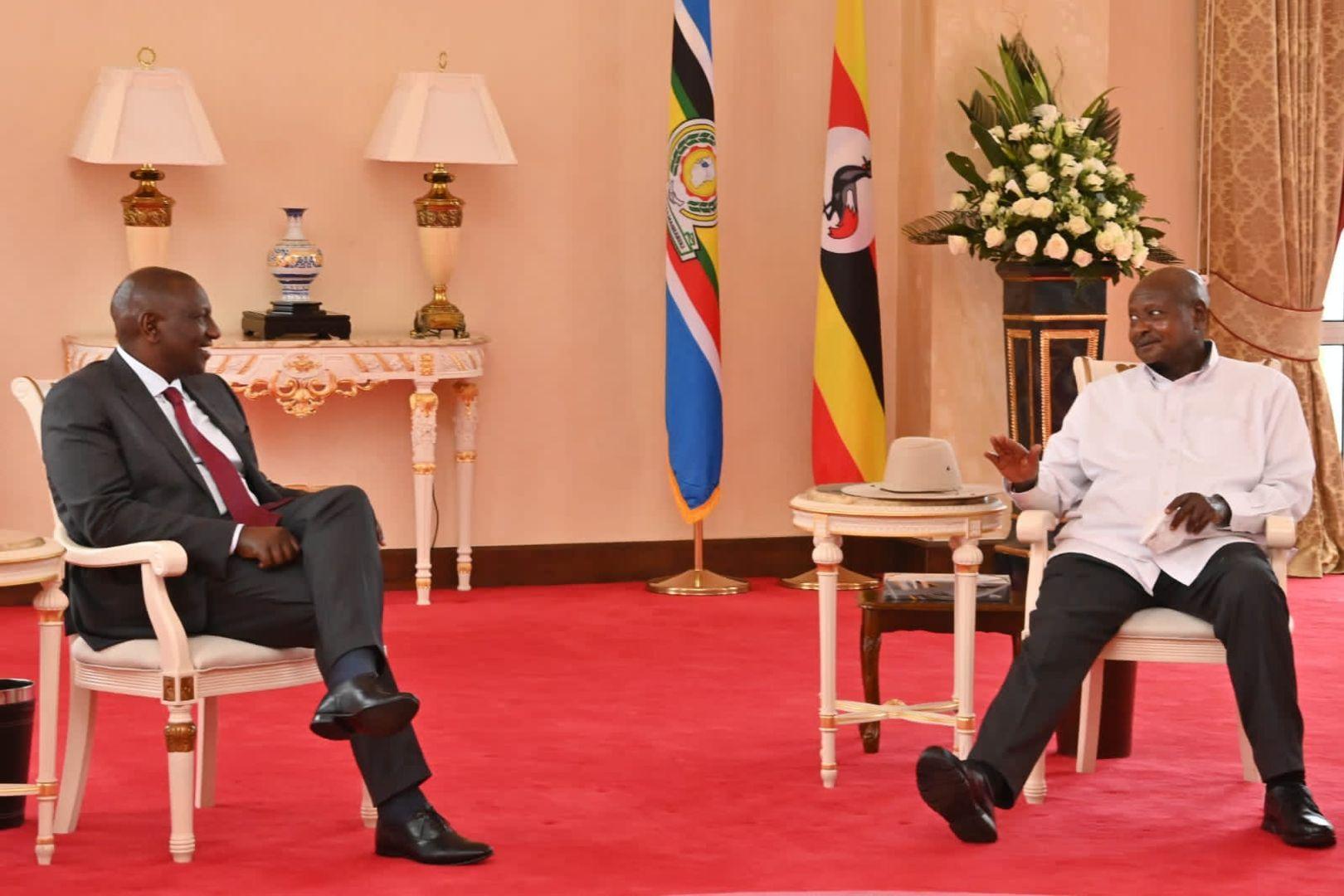
Kenya giving Uganda the oil import green light followed the two nation’s heads of state having face-to-face discussions. In February 2024, the president of Kenya H.E William Ruto and his Ugandan counterpart Yoweri Kaguta Museveni met in Uganda and agreed to resolve the feud. Kenyan Energy Minister Davis Chirchir said that Unoc would use the Kenya Pipeline Company to move the products, meaning that Kenya would still benefit from the arrangement. Uganda’s Ministry of Energy and Minerals said Kenya’s agreement to give Unoc the licence means that the country is now free to import through Mombasa, adding that the first shipment under the new system was expected in May this year.
For More News And Analysis About Uganda Follow Africa-Press