Africa-Press – Uganda. The government has extended the census exercise in three districts of Kampala, Wakiso, and Mukono by one more day.
The Executive Director of Uganda Bureau of Statistics, Dr Chris Mukiza, said they needed more time to compensate for lost time since there was less activity on the first day of the counting.
“In other parts of the country, the exercise started smoothly. Yesterday it was faster and it is moving on more smoothly. Unlike in the three districts, the rest of the country shall close on the stipulated date,” he said yesterday.
Greater Kampala, which covers the three districts, also suffered unforeseen computer tablet glitches.
Dr Mukiza said the three districts were affected on Friday when the census kicked off due to non-functioning Computer-Assisted Personal Interviews (CAPI)/ tablets.
He also said: “The enumerators had not been assigned their roles and responsibilities by their supervisors, so the assignments of roles took longer, but we’ve since rectified them.”
Dr Mukiza’s remarks followed concerns raised by Parliament Speaker Anita Among, who wondered why the enumerators were slow and taking days to reach most of the population.
“I have been home since Friday when the census started but no enumerator has come here. I did a sample census among my members but most of them say they have not seen the enumerators. If that is happening to us key figures, what about the ordinary citizens?” she wondered.
In most areas of Kampala, Wakiso, and Mukono, the enumerators either started the exercise late or did not even conduct the census because of faulty computer tablets. Others held sit-down strikes over unpaid training allowances, which delayed the exercise in areas Dr Mukiza had targeted by the Friday public holiday.
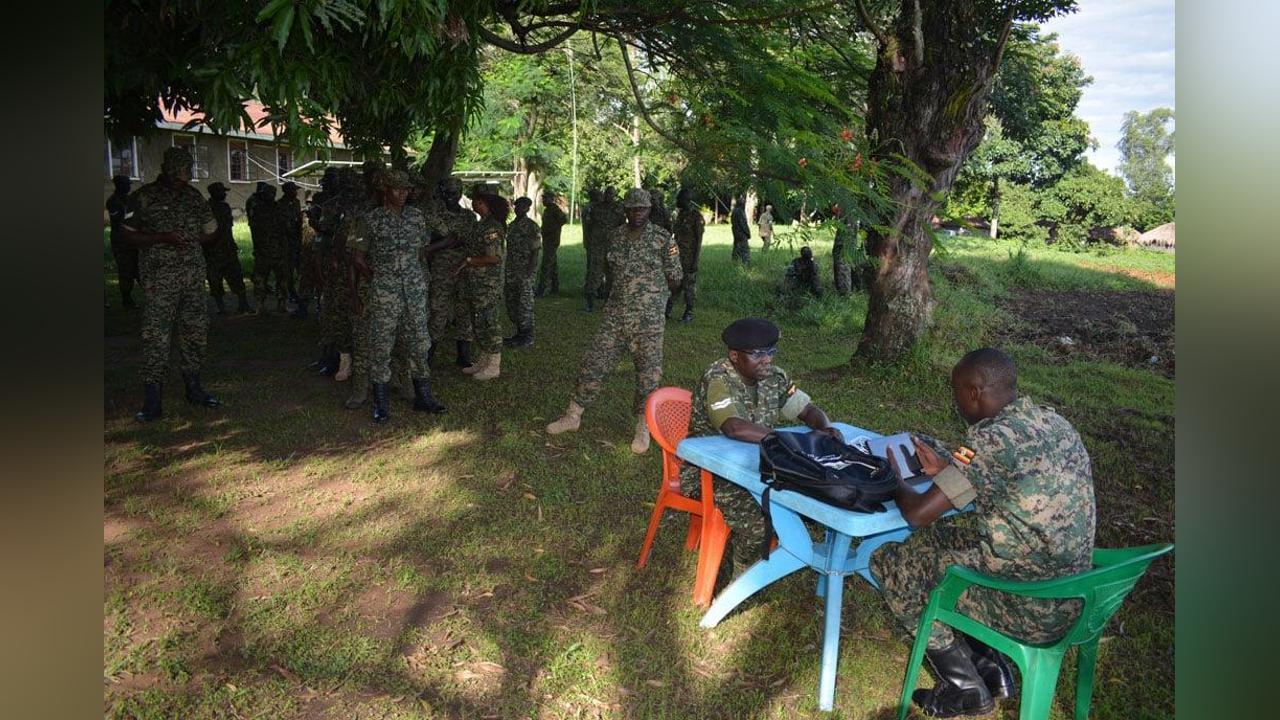
The 2024 National Population and Housing Census kicked off on Friday and will run up to Sunday, May 20. It will involve Ubos staff moving door-to-door to capture data from residents of households.
In the 10 days, about 119,000 Ubos enumerators and 18,000 parish supervisors will move to different households across the country, collecting census records.
On the challenges, Dr Mukiza said: “We thought we would get people in these areas because most of them are working people but since we failed, we have worked out alternative ways and advised our supervisors to make prior announcements so that people are aware when the counting will be done in their respective areas, and it is working out.”
Dr Mukiza also updated the House Speaker on the coverage of the exercise. He said by Saturday evening, a total of 1.6 million households had been captured nationwide. Of these, he said, 1.3 million households had been fully enumerated while more than 250,000 had been partially captured.
Dr Mukiza said at least 5.7 million people; both Ugandans and foreigners, had been covered amid the challenges.
“The average interview time is 31 minutes from these numbers per household with small members but those with bigger households can go up to 45 minutes. We have so far covered 12.1 percent of the population,” he said.
As the exercise continues, Ms Among urged Ubos to ensure that the population embraces it and comes out to willingly be counted because the wrong numbers will affect the government during the planning process.
“The census is very important in the country because you are looking at the status of the country, number of households, population, and demographic which is very important and will help us to plan for infrastructures, medical supplies, among others. Ensure that the exercise is done and completed ensure that your teams move faster because your team is not moving fast enough yet you will close on May 19,” she said.
“Now that we are going into the budgeting process, the number we shall get from you, Ubos, will help us in budgeting and we will be able to understand how many people are in Kampala, Wakiso, and other areas for you to be able to budget for those people,” she added.
For More News And Analysis About Uganda Follow Africa-Press