By Faridah N Kulumba
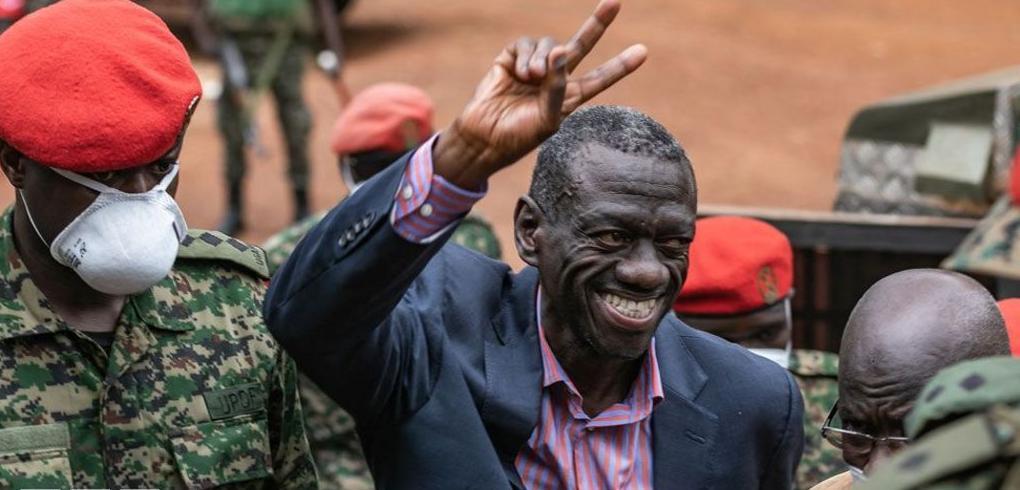
Africa-Press – Uganda. Ugandan opposition politicians were shocked when a prominent opposition figure Retired Conel Dr Kizza Besigye also a longtime rival of Uganda’s President Yoweri Kaguta Museveni was kidnapped by the government of Uganda officials in in neighbouring Kenya.
Background
On 16th November this year, the former president of Forum for Democratic Change (FDC) Dr Besigye was abducted from Riverside Apartments in Nairobi, Kenya, and forcibly returned to Uganda.On 20th November 2024, Besigye appeared before the Uganda People’s Defense Forces (UPDF) General Court Martial on four counts related to security and was remanded to Luzira prison until December 2, 2022. The Ugandan court’s charge sheet alleges Besigye was found with a pistol and eight rounds of ammunition in the Riverside neighbourhood of Nairobi, where it claimed he had been seeking support to undermine the security of Uganda’s military. However, Besigye’s wife Winnie Byanyima, who heads the United Nations HIV/AIDS agency UNAIDS, said he has not owned a gun in the last 20 years and should be tried in a civilian, not military, court. Dr Besigye was due to attend a book launch of Kenyan opposition politician Martha Karua in Nairobi when he was arrested.
Queries
Prominent opposition politicians in Uganda questioned how the government of Uganda was able to arrest Dr Besigye for committing a crime in Kenya. One of them was the National Unity Platform (NUP) president, Robert Kyagulanyi Ssentamu alias Bobi Wine who condemned Kenyan authorities for orchestrating the arrest and detention of veteran opposition leader Dr Besigye. Kyagulanyi strongly condemned Besigye’s arrest and detention. He described the events as most unfortunate and of great concern to citizens in the region. “As we call for his immediate release, we condemn this blatant abuse of the law by the regime here in Uganda and, sadly, the authorities in Kenya. We are back to the dark days when Ugandans were casually picked from the streets of Nairobi and returned to Uganda to be tortured, jailed, and others executed,” Kyagulanyi stated. Oppositions criticized the collaboration between Kenyan and Ugandan authorities, particularly for bypassing extradition laws. “The abduction of Ugandan citizens from Kenya and handing them over to the regime in Uganda without following extradition laws must be condemned. This happened just a few months ago when 36 other activists were abducted from Nairobi and brought back to Uganda in utter violation of the law,” Kyagulanyi said. In August this year, the group, comprising 33 men and three women, were arrested in Kisumu, Kenya, and extradited to Uganda. Kyagulanyi also expressed disappointment with the Kenyan government, stating that it has transformed from a haven for oppressed individuals into an operational zone for the Ugandan regime. He called on all individuals of good conscience to condemn the actions of both Ugandan and Kenyan security forces. Besigye has been arrested numerous times over the years. He was once Museveni’s personal doctor in the 1980s during Uganda’s civil war between government and rebel forces but later became an outspoken critic and political opponent.
Other arrest reactions
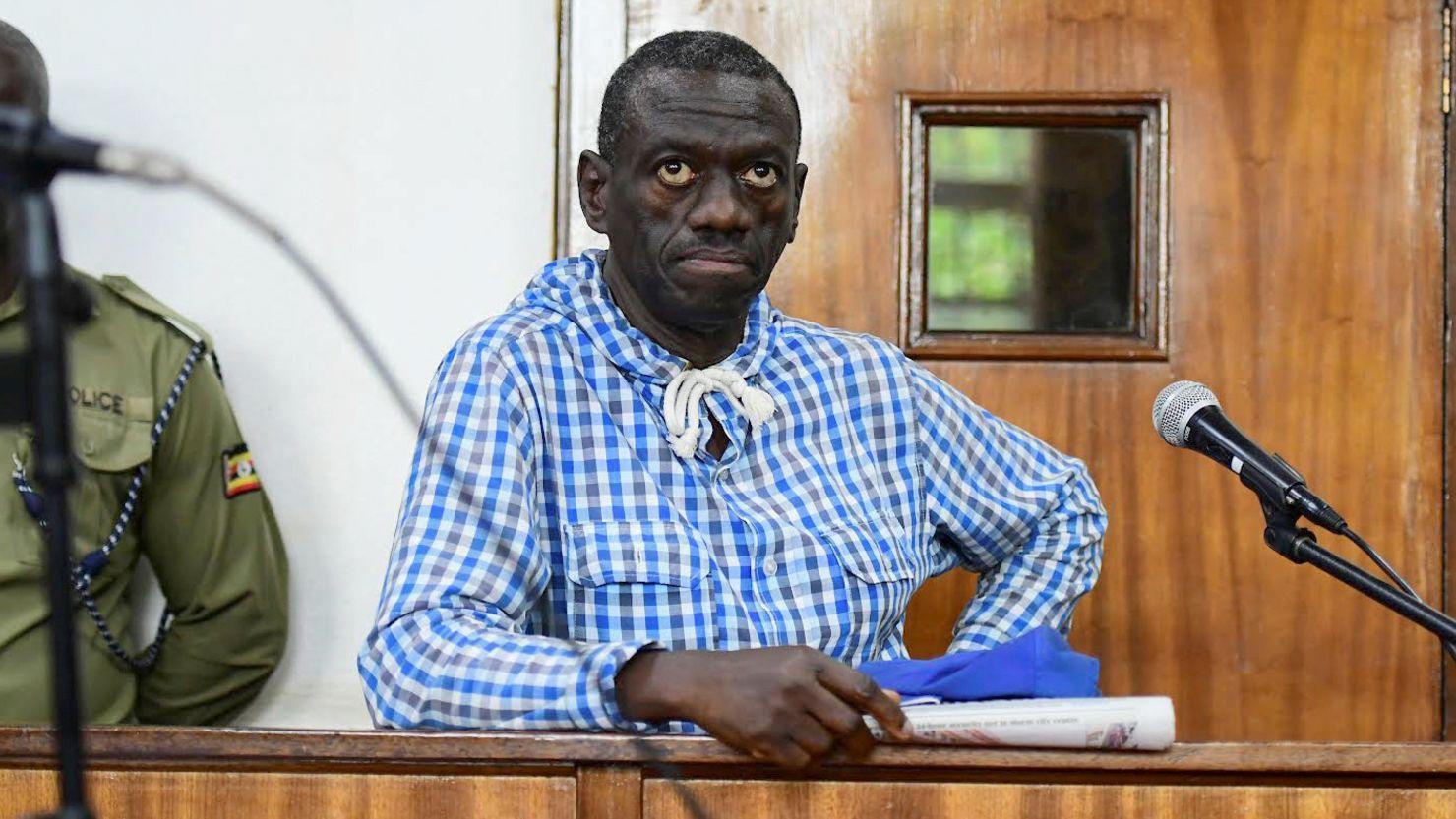
Dr Besigye’s abduction in Nairobi sparked debate on extradition and sovereignty. Reacting to the abduction Amnesty International’s Regional Director for East and Southern Africa, Tigere Chagutah, said: “Amnesty International is deeply disturbed by the abduction of Dr. Besigye as well as the lack of an extradition process from Kenya. This is not the first time a foreign dissident has been abducted on Kenyan soil. It is part of a growing and worrying trend of transnational repression with governments violating human rights beyond their borders. In the case of a fugitive criminal accused of an extradition crime, if the foreign warrant authorizing the arrest of the criminal is duly authenticated, and such evidence is produced as, subject to the provisions of this Act, according to the law of Kenya. James Risch, ranking member on the United States (US) Senate Foreign Relations Committee, said on X that Besigye’s abduction “raises serious questions about important U.S. partners violating (international) norms”.
Reaction from Kenya
The government of Kenya said that investigations on how Dr Besigye was spirited out of the country amid growing criticism that it had failed to protect foreign dissidents on its soil. Surprisingly on 20th November 2024, Uganda’s government spokesperson said that it did not carry out abductions and that arrests abroad were done in collaboration with host countries. However, in a television interview, Korir Sing’oei, principal secretary at Kenya’s foreign ministry, said Besigye’s detention – which he referred to as an abduction – was “not the act of the Kenyan government” and was being investigated by the interior ministry. The United Nations (UN) human rights chief, Volker Turk, called for Besigye’s release. “Such abductions of Ugandan opposition leaders and supporters must stop, as must the deeply concerning practice in Uganda of prosecuting civilians in military courts,” he said in a statement.
Does Kenya respect extradition laws?
Lately, the affair has fuelled renewed criticism of Kenya’s record on human rights and international law. In July 2024, Kenyan authorities deported 36 members of Besigye’s political party to Uganda, where they were charged with terrorism-related offenses. In October 2024, Kenya deported four Turkish refugees to Ankara, drawing criticism from the United Nations.
For More News And Analysis About Uganda Follow Africa-Press