Africa-Press – Uganda. Prominent political leaders have raised alarm over increasing ethnic divisions, political violence, and systemic institutional weaknesses, warning that Uganda’s democracy could face serious setbacks if critical electoral and governance reforms are not urgently undertaken ahead of the 2026 general elections.
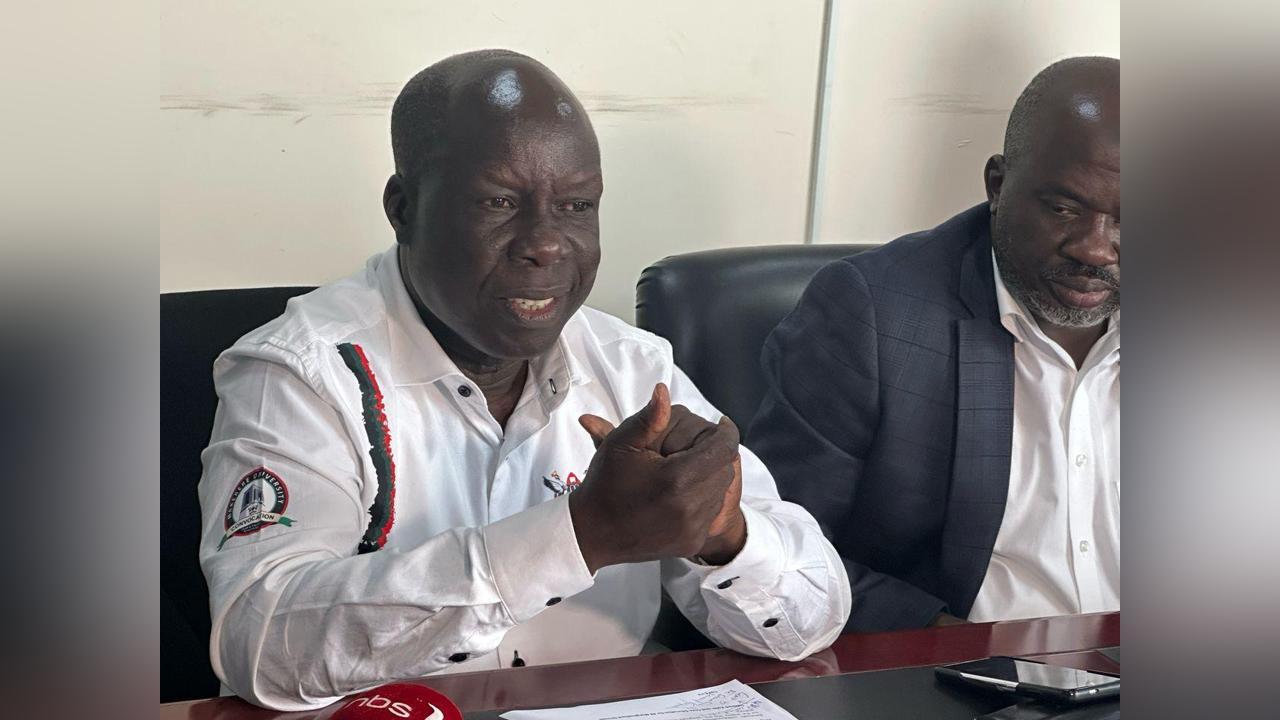
The concerns emerged during a high-level dialogue involving Secretary Generals and Electoral Commission officials from all active political parties in Uganda.
The meeting focused on addressing gender and equity barriers that continue to exclude vulnerable populations from meaningful participation in elections.
Dr. Tanga Odoi, Chairperson of the Electoral Commission at the ruling National Resistance Movement (NRM) Secretariat, cautioned political actors against using ethnicity and violence as political tools.
“The behaviour of political leaders should reflect leadership for all citizens not only their supporters.Failure to embrace this principle is a precursor to violence,”he said.
Quoting Machiavellian and Hobbesian philosophies, Odoi warned that unchecked political conduct and disregard for the law could threaten national stability.
He emphasised the importance of platforms like IPOD in promoting dialogue and easing tensions among political actors.
“We need more of these interactions. They help reduce violence and foster understanding,” he added.
Odoi also criticised the misuse of affirmative action, particularly the long-term occupation of special interest group positions by individuals.
“People stay in the women’s league or youth structures for decades. That defeats the purpose of empowerment,” he said.
On ethnic representation, he rejected the growing trend of creating new districts along ethnic lines, citing it as an unsustainable and resource-draining approach to addressing marginalisation.
“Administrative fragmentation is not the solution,” Odoi argued.
He also revealed that the NRM collected Shs 8 billion in 2024 from nomination fees during internal party elections, a move he defended as necessary to streamline candidate lists and fund party operations.
“It was unkind but necessary. In some constituencies, we had 22 candidates for a single post,” he explained.
In a related address, Forum for Democratic Change (FDC) Western Region Vice Chairperson Robert Centenary raised concerns over the involvement of civil servants in politics without first resigning from public office.
He warned that such conduct risks undermining public service delivery and misusing government resources.
“A civil servant with political ambitions could manipulate services to discredit opponents,” he said.
Centenary also criticised the dominance of security agencies in electoral processes, describing it as the “militarisation of elections.” He recounted disturbing scenes at polling stations involving armoured vehicles, masked personnel, and military drones, saying such actions intimidate voters and erode public trust in the electoral process.
He further condemned the decline of civic education and limited access to public media by opposition candidates.
“Even when political parties try to fill the civic education gap, they are curtailed,” he said, revealing that airtime paid for on state-run UBC is often denied and later refunded.
Questioning the Electoral Commission’s autonomy, Centenary suggested its dependence on appointing authorities compromises its capacity to implement reforms.
“You may have a limitation on the extent to which you should bite the finger that feeds you,” he warned.
For More News And Analysis About Uganda Follow Africa-Press