
Africa-Press – Zambia. Financial Economist Bright Chizonde has said that the government should heed to the International Monetary fund (IMF) call for governments to subsidize the cost of food and energy for the poorest members of society.
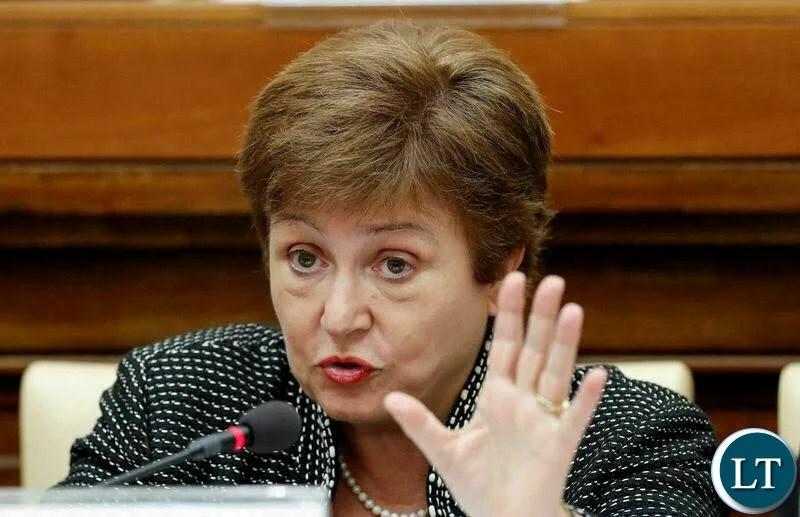
IMF Managing Director Kristalina Georgieva recently said governments need to subsidize the poorest citizens in a targeted manner, preferably through direct subsidies to individuals as people are struggling with the rising cost of living.
In an interview with the local radio station Phoenix News, Mr. Chizonde said that people need help as the country’s economy is still recovering from hardships which have subjected them to further suffering.
Mr Chizonde has however cautioned against wrong targeting of the subsidies adding that the government should ensure sectors that add to the wellbeing of the people are targeted.
Last week, the head of IMF told the BBC that governments need to subsidise the cost of food and energy for the poorest members of society, adding that people around the world are struggling with the rising cost of living. Kristalina Georgieva said support needed to be provided “in a very targeted manner, preferably by providing subsidies directly to people”.
According to the BBC, many governments are providing some help but critics argue it’s not enough and when it comes to the cost of living crisis, Ms Georgieva said: “There are two priorities, one the very poor people, segments of society that are now struggling with high food and energy prices”.
The second, she added, is to support those businesses that have been “most damaged” by the war in Ukraine. Ms Georgieva is concerned that without the correct government support the protests seen in Sri Lanka could be repeated in other countries.
Sri Lanka’s economic crisis, exacerbated by rising prices, has led to deadly riots, a new prime minister and a first-ever default on its debts. The IMF boss said such similar unrest before the pandemic, from France to Chile, was caused by “a sense of inequality growing” and decisions being made without the support of the people.
“If we are to learn any lessons from 2019 if is to be much more humble about policy decisions, and engage in multiple ways with people, because policies must be for people, not the paper we write them on,” she said.
For More News And Analysis About Zambia Follow Africa-Press