Africa-Press – Zambia. The Bank of Zambia-BOZ has said that the general public should not mistake the slowdown in inflation to mean a reduction in commodity prices clarifying that inflation depicts the rate at which prices increase and not decrease.
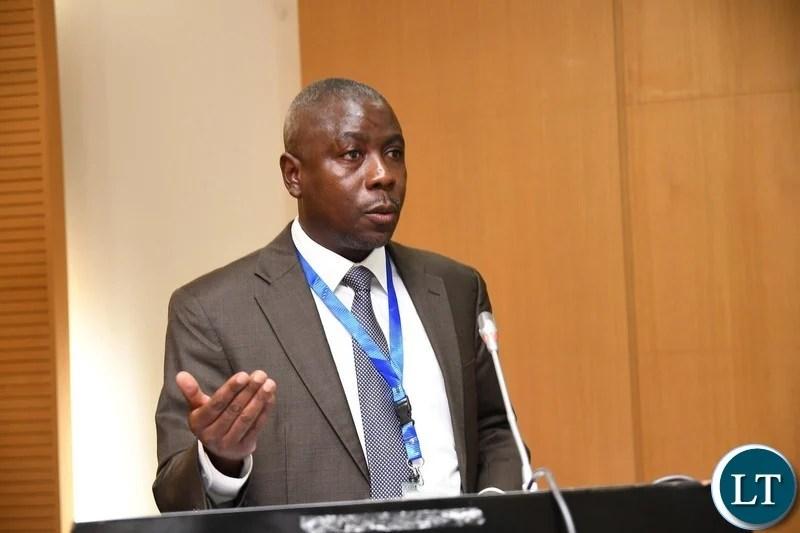
BOZ Director Economics, Jonathan Chipili clarified that the current rate of inflation simply means that commodity prices will continue to rise but at a slower rate of 9.7% as opposed to a higher rate of increase at 24% last year.
Several stakeholders, people, businesses and online blogs have been questioning how commodity prices remain high with some continuing to rise while the country has reported reduced inflation from over 24 % last year to a single-digit rate of 9.7 for the month of June.
Mr Chipili said that the single-digit inflation rate towards the bank of Zambia’s target of 6 to 8 %, does not mean prices will go down but that with slowed-down inflation, prices will be rising at a more desirable rate as opposed to when inflation is high.
Mr Chipili added that the current inflation rate is attributable to the stable exchange rate, the reduced price of maize due to the country enjoying a surplus in production and the gains made by the kwacha, as well as the high supply of vegetables on the market. Zambia’s inflation rate dropped below 10% for the first time in almost three years in June, against a global trend of record consumer-price growth.
Prices rose 9.7% from a year earlier, compared with 10.2%% in May, interim Statistician-General Mulenga Musepa told reporters Thursday in Lusaka, the capital. The last time the southern African nation’s inflation rate was under 10% was in August 2019. Annual food-price growth slowed to 11.9% in June, compared with 12.3% in the previous month, and non-food inflation decelerated to 6.9% from 7.5%. Costs climbed 0.9% in the month.
According to Bloomberg, inflation surged toward the end of 2020 and peaked at 24.6% in the middle of last year. The acceleration was largely driven by a sell-off of the kwacha and its dollar-denominated debt after Zambia became Africa’s first pandemic-era sovereign defaulter in November 2020.
Optimism over the nation’s economy since the election of Hakainde Hichilema as president in August, a potential debt restructuring and a $1.4 billion bailout package from the International Monetary Fund has seen a rally in the kwacha. That’s helped contain prices that are increasing due to supply-chain disruptions stemming from the war in Ukraine and intermittent Covid-19 lockdowns.
The kwacha has gained almost 33% against the dollar in the last 12 months, making it the second best-performing currency after the Russian ruble. The sustained slowdown in inflation may give the monetary policy committee room to hold rates and aid the economy’s rebound when it meets in August. Last month, the central bank projected inflation will average 12.5% this year and will decline toward its target range of 6% to 8% by the end of 2023.
For More News And Analysis About Zambia Follow Africa-Press