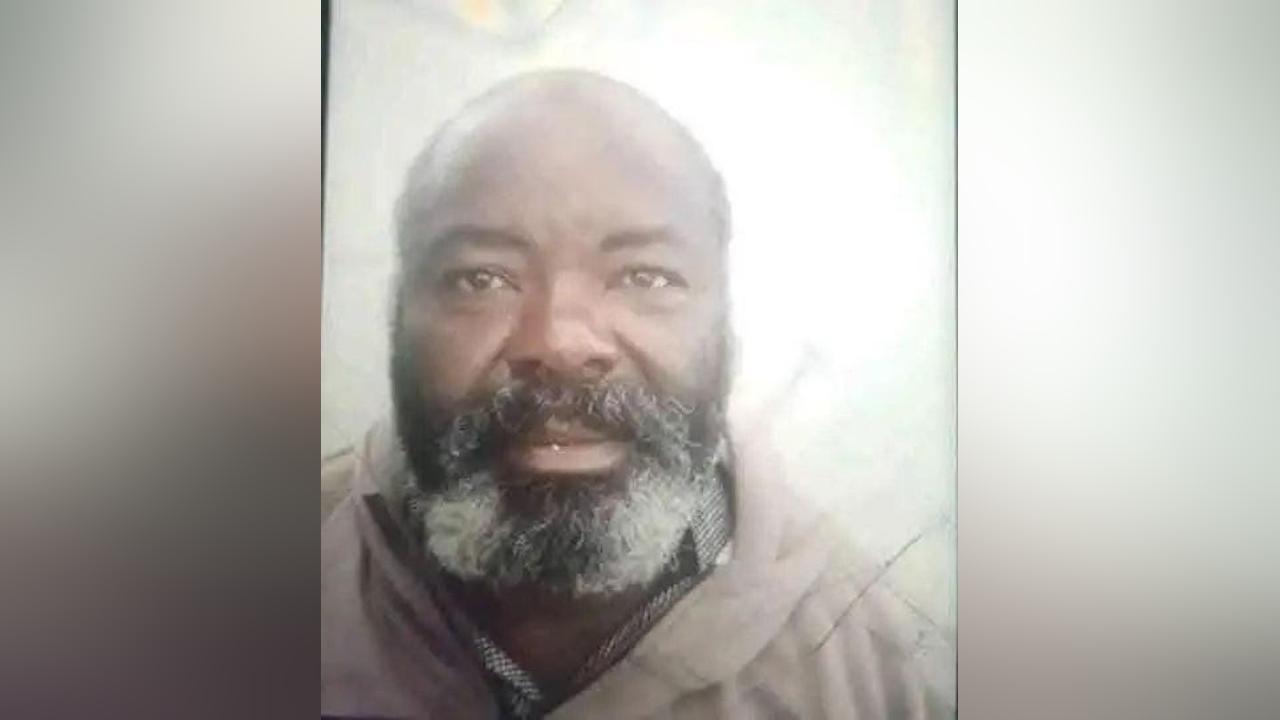
Africa-Press – Zambia. The conviction of Ronald Chitotela has continued to expose an old fault line in Zambian politics: the refusal by political elites to accept that the law can reach them as individuals. Since the 10–year sentence for arson was confirmed in December 2024, the debate has barely touched the evidence, the judgment, or the minimum sentencing framework. Instead, it has shifted almost entirely into the language of victimhood, conspiracy, and political persecution.
This framing hardened after Miles Sampa disclosed his prison visit with Chitotela, writing that the jailed former minister was asking “how HH and UPND ministers feel knowing very well he was not at the scene where their campaign car was gutted,” and adding that Chitotela was “very ill” with no appeal date set.
The message is clear. The goal has never been to interrogate the conviction. It is to humanise the convict and delegitimise the court in the public mind.
Chitotela’s own belief, as relayed by party figures, is that he is the target of political punishment rather than a criminal sentence. But this belief collapses against the uncontested fact that the burnt vehicle belonged to the United Party for National Development and that the charge was arson, not a political offence.
Arson in Zambia attracts a mandatory minimum sentence. The High Court did not invent that framework. It applied it.
What is unfolding now is not a legal argument. It is a political ritual. When politicians go to prison in Zambia, they rarely go quietly. They fall sick on cue. Sympathy campaigns appear overnight. The language shifts from courts and judgments to pain, illness, and persecution. The law becomes secondary. Emotion becomes the primary defence. This pattern has repeated across regimes.
More revealing still is the political context. When Makebi Zulu allegedly visited jailed party members after returning from South Africa, his message, according to PF-aligned voices, was that “freedom is coming.” This is not coded language. It is a direct political promise that prison sentences imposed by courts will be reversed by executive power. That is not a defence of justice. It is a declaration of intent to weaponise state authority.
The claim that Chitotela’s case is purely political also clashes with internal admissions from within the Patriotic Front itself. Even Davies Mwila has publicly acknowledged that PF’s mobilisation strategy in past cycles leaned heavily on cadres and violence. That context does not automatically prove guilt in any one case. But it destroys the credibility of the claim that PF violence is a fiction invented only by opponents.
At the core of this controversy is a dangerous idea. That politicians exist in a separate moral and legal category from ordinary citizens. That prison is for the powerless. That when one of “our own” is convicted, the court must be wrong by definition.
This mindset is not about Chitotela alone. It is about how political power in Zambia has historically treated accountability as an insult.
There is a legitimate debate to be had about trial fairness, evidence chains, and appeal delays. Those are legal questions. But what is being pushed in the public arena is not legal scrutiny. It is political absolution in advance. The implication is blunt. If PF ever returns to power, court rulings can be undone by party loyalty.
This is where the framing becomes dangerous. If every conviction of a politician is automatically declared political, then no judgment can ever be final. Violence becomes risk-free so long as one remains within the shelter of a party. That is not rule of law. It is rule of numbers.
The Chitotela case is therefore not just about one man and one burnt vehicle. It is a test of whether Zambia believes that political identity can cancel criminal accountability.
Right now, the loudest voices in his camp are not arguing innocence through evidence. They are campaigning for immunity through power.
For More News And Analysis About Zambia Follow Africa-Press