Africa-Press – Zambia. Politics is, at its core, a contestation of ideas and a platform for governance and service delivery to the sovereign people. In a democracy, citizens are afforded the opportunity to choose their leaders, making it imperative that those aspiring to public office are well known, not only for their credentials, but also for the values they stand for.
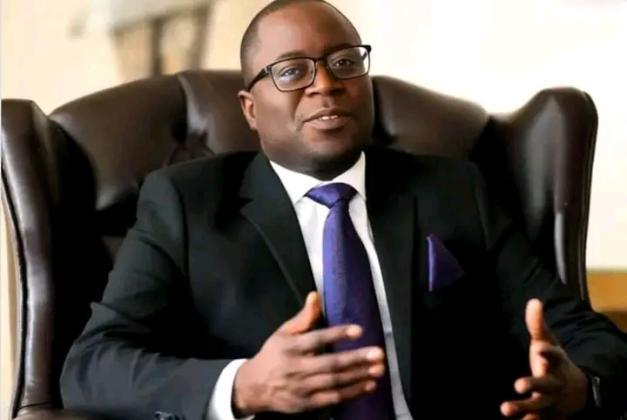
Makebi Zulu is widely regarded as an accomplished legal practitioner who has built a formidable reputation at the Bar. However, as his political ambitions shift from the courtroom to the national stage, aspects of his professional past are beginning to attract renewed scrutiny, raising questions that may haunt his bid for public office.
Critics argue that Mr. Zulu’s consistent affinity for defending individuals accused of serious crimes, while professionally legitimate within the legal fraternity, has become politically contentious now that he is seeking not merely parliamentary office, but the presidency of the Republic. They contend that the court of public opinion is far less forgiving than a court of law, and that voters are increasingly interrogating the moral and ethical implications of a leader’s past associations.
Among those who have come out strongly in public to condemn Mr. Zulu is Professor Jones Kasonso. Professor Kasonso has accused Zulu of being the reason why former President Edgar Chagwa Lungu has not yet been buried, arguing that this alone demonstrates poor judgment and character. He has further stated that, on this basis, Makebi Zulu cannot be entrusted with the leadership of the country as President of Zambia and should therefore not be supported.
While the legal profession demands that every accused person be afforded representation, some observers maintain that politics operates under a different moral lens. They argue that leadership at the highest level requires not only legal brilliance, but also a public record that inspires confidence, trust, and moral clarity among citizens.
Supporters of Mr. Zulu counter that his work as a lawyer should not be weaponised against him, noting that the rule of law depends on advocates who are willing to defend even the most unpopular clients. They argue that conflating professional duty with personal belief undermines the very foundations of justice and democracy.
Nevertheless, as the political temperature rises, it is evident that Mr. Zulu’s legal past will remain a focal point of debate. Whether the electorate views his record as a testament to his commitment to the rule of law, or as a liability unsuited for the highest office, is a question that will ultimately be answered at the ballot box.
In politics, perception often rivals reality. For Makebi Zulu, navigating this delicate balance may prove to be one of the most defining challenges of his political career.
For More News And Analysis About Zambia Follow Africa-Press