

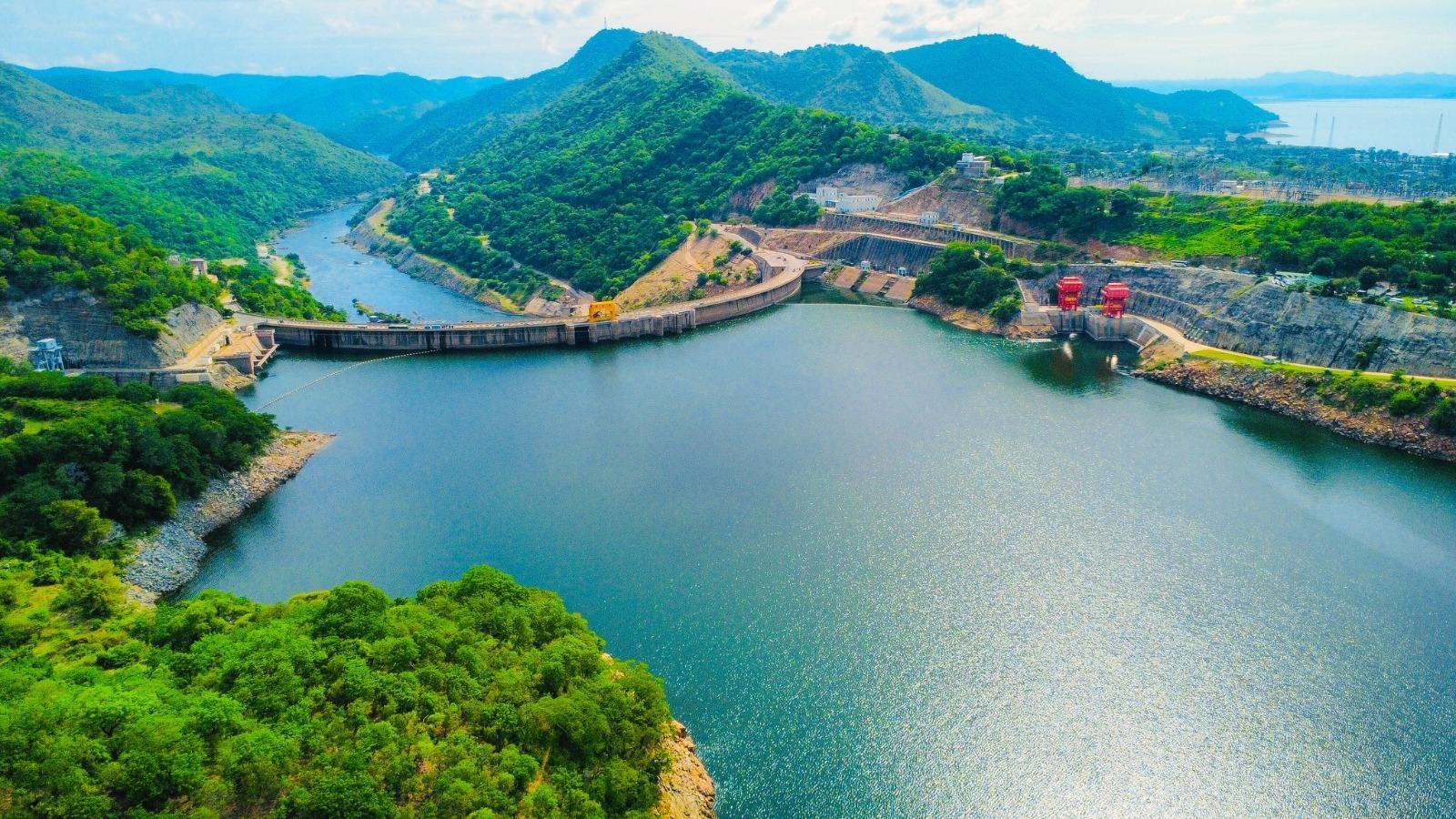
Zimbabwe and Zambia are set to install Africa’s first floating international border buoys on Lake Kariba to demarcate the shared water boundary between the two countries clearly.
The initiative is expected to bring an end to decades of uncertainty over the lake’s border, which has often resulted in disputes, accidental crossings and arrests involving fishing communities and boat operators.
Officials from both countries unveiled the plans during a stakeholder awareness workshop held in Kariba last week.
The meeting brought together government surveyors, traditional leaders, fishers and tourism operators to discuss the implementation of the project and its expected impact.
Installation of the floating buoys is scheduled to begin later this month, with the full project expected to be completed in 2027.
The programme is being jointly implemented by the Surveyor-General’s offices of Zimbabwe and Zambia under the auspices of the African Union Border Programme, with financial and technical support from GIZ.
Zimbabwe’s Surveyor-General, Edwin Guvaza, said the project is designed to make the international boundary on Lake Kariba clearly visible and remove uncertainty for communities whose livelihoods depend on the water body.
“We have been working on this project since 2021 and expect to complete it by 2027. These two nations are separated only by water, so clarity is critical. The objective is to ensure that the boundary is seen, not guessed,” Guvaza said.
Zambia’s Surveyor-General, Calvin Chibangula, said the absence of a clearly marked boundary has historically left fishers and boat operators vulnerable to arrests, fines and disputes after unintentionally crossing into the neighbouring country’s waters.
“Unclear boundaries have confused our people. Once these markers are in place, communities will be able to fish and conduct business with greater confidence without fear of crossing the border unintentionally,” Chibangula said.
The international boundary on Lake Kariba was first established in 1963, but it has remained largely invisible on the water ever since, creating uncertainty for local communities, tourism operators and law enforcement agencies.
Related:
New Automatic Weather Station At Kariba Control Tower To Boost Safety
Kariba Dam Levels Up 3 Metres On Last Year But Still Below 2018 Peak