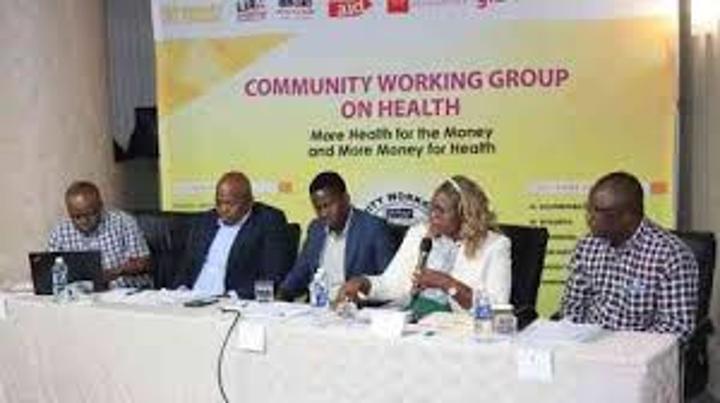
Africa-Press – Zimbabwe. THE Community Working Group on Health (CWGH) has commended the government for meeting the Abuja Declaration target by allocating 15% of the 2026 National Budget to health, but warns the increase “is still not comprehensively adequate” to address Zimbabwe’s urgent primary healthcare needs.
In its post-budget analysis, CWGH said the ZiG30,4 billion allocation marked a significant milestone, but did not automatically translate to improved access to basic health services for millions of Zimbabweans.
CWGH also warned that underfunding at the primary level is widening inequalities, especially for rural and resettlement communities.
“Primary level facilities are still inadequate with some clinics not easily accessible, especially in resettlement areas,” it said.
“Community members travel long distances to access clinics, with some areas living without clinics.”
CWGH said Zimbabwe lagged comparable countries in primary healthcare investment and risked failing to meet Universal Health Coverage targets.
It criticised government’s spending priorities, highlighting that the security sector received ZiG46,88 billion, more than social services.
It also flagged the fact that 46% of the current health budget is going towards employment costs, limiting funding for service expansion.
CWGH expressed concern over the “very low” 0,5% allocation to biomedical engineering, pharmaceutical manufacturing and related programmes key to reducing the country’s reliance on expensive imported medicine.
“The funding allocation does not reflect the importance of this new initiative,” CWGH said.
The watchdog warned that a deteriorating economic environment, rising domestic debt and new tax measures threaten to erode the gains of the health budget.
With public debt at US$23,4 billion, CWGH said fiscal pressures were already squeezing social spending.
“The high domestic debt has crowded out public resources from healthcare,” it said.
According to CWGH, new tax measures including the proposed increase in VAT to 15,5% and continuation of the 2% IMTT tax, were likely to push healthcare costs up.
“There is evidence on the erosion of household income capacity which directly affects patterns of healthcare spending,” the group said, warning that increased taxes may be inflationary, hitting out-of-pocket health spending among informal workers.
CWGH said an expected 30% drop in foreign aid could undermine maternal, reproductive and non-communicable disease programmes.
For More News And Analysis About Zimbabwe Follow Africa-Press