
Africa-Press – Zimbabwe. Zimbabwe Rural Teachers Union president, Martin Chaburumunda, has blamed the drop in ZIMSEC Grade Seven results on underfunding, which he says affects teaching and learning.
The 2025 national pass rate was 48.49%, slightly down from 49.01% in 2024, a fall of just over half a percentage point.
Speaking to The Manica Post, Chaburumunda said rural schools are hit harder by funding shortfalls than urban schools, which he believes explains the lower pass rates in these areas. He said:
“There is still a wide gap and difference between rural schools and urban ones. The teachers are the same in terms of training.
“The most pressing issue is funding – school fees in rural schools are very low, which every parent can afford, but unfortunately, this leads to unintended outcomes.
“Most rural schools lack essential learning materials that aid the delivery of lessons in the classroom.
“There is no adequate stationery, such as textbooks, exercise books, charts, and others.
“The Basic Education Assistance Module (BEAM) funds are released very late, leaving schools exposed to serious funding gaps. This ultimately affects the learner.”
At a community event in Mhondoro back in February 2025, Primary and Secondary Education Minister Torerayi Moyo admitted that some BEAM funds had been redirected to cover costs for the SADC Summit.
He acknowledged that this diversion had led to school dropouts, poor attendance, and difficulties for vulnerable children who rely on BEAM to pay their school fees.
Recently, Finance Minister Mthuli Ncube revealed that schools are now owed US$98 million in BEAM funds. Said Chaburumunda:
“There is a need to increase funding for rural schools and also leverage technology to bridge the resource gap.
“The Government must speed up the school internet programme so that learners and teachers have wide resource materials through the internet.
“There is a need to implement policies to address the rural-urban divide, stock libraries with modern books, and set up science laboratories.”
Chaburumunda added that other factors also play a role, including the long distances children must travel to reach school, their personal backgrounds, and the communities’ attitudes towards education. He said:
“Learners in rural schools travel an average of 5km to the nearest school, and this affects them.
“They arrive late and have limited time to do homework, as time is consumed walking.
“The most vulnerable children are in rural areas, such as orphans, child-headed families, and those under the care of distant relatives.
“There is no luxury of extra lessons in rural communities.
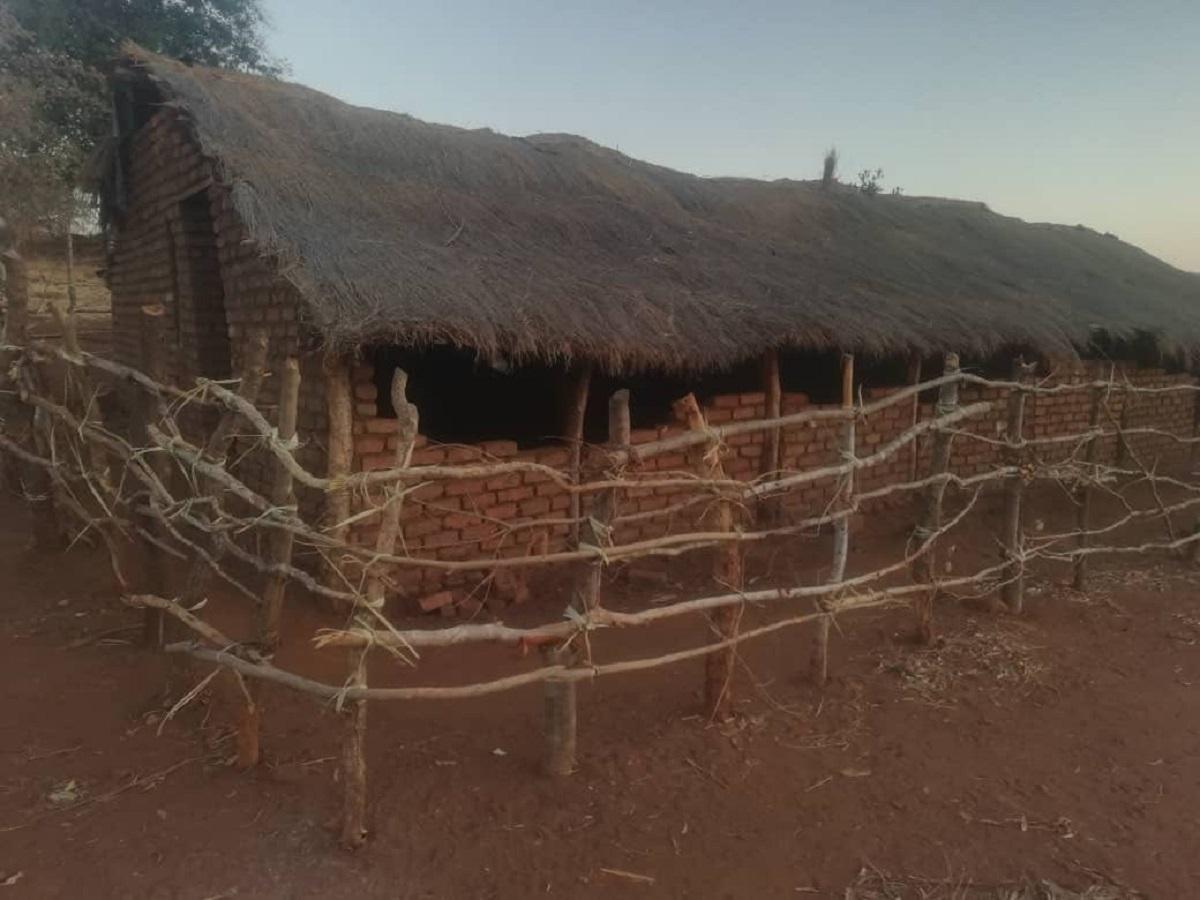
“There is also a need to address the issue of infrastructure, such as proper classrooms, teacher accommodation, water, and electricity availability.
“This will make schools in rural and resettlement areas be at the same level as those in urban areas.
“Grade Seven results are very important because they build the learners’ confidence as they begin secondary education.”
For More News And Analysis About Zimbabwe Follow Africa-Press