
The Grain Marketing Board (GMB) is encouraging small-scale farmers in dry regions to make use of the Grain Swap Programme, a government initiative introduced in 2022 to improve household food security and support climate-smart agriculture.
The programme allows farmers to exchange grains they produce in surplus for other grains they prefer to eat.
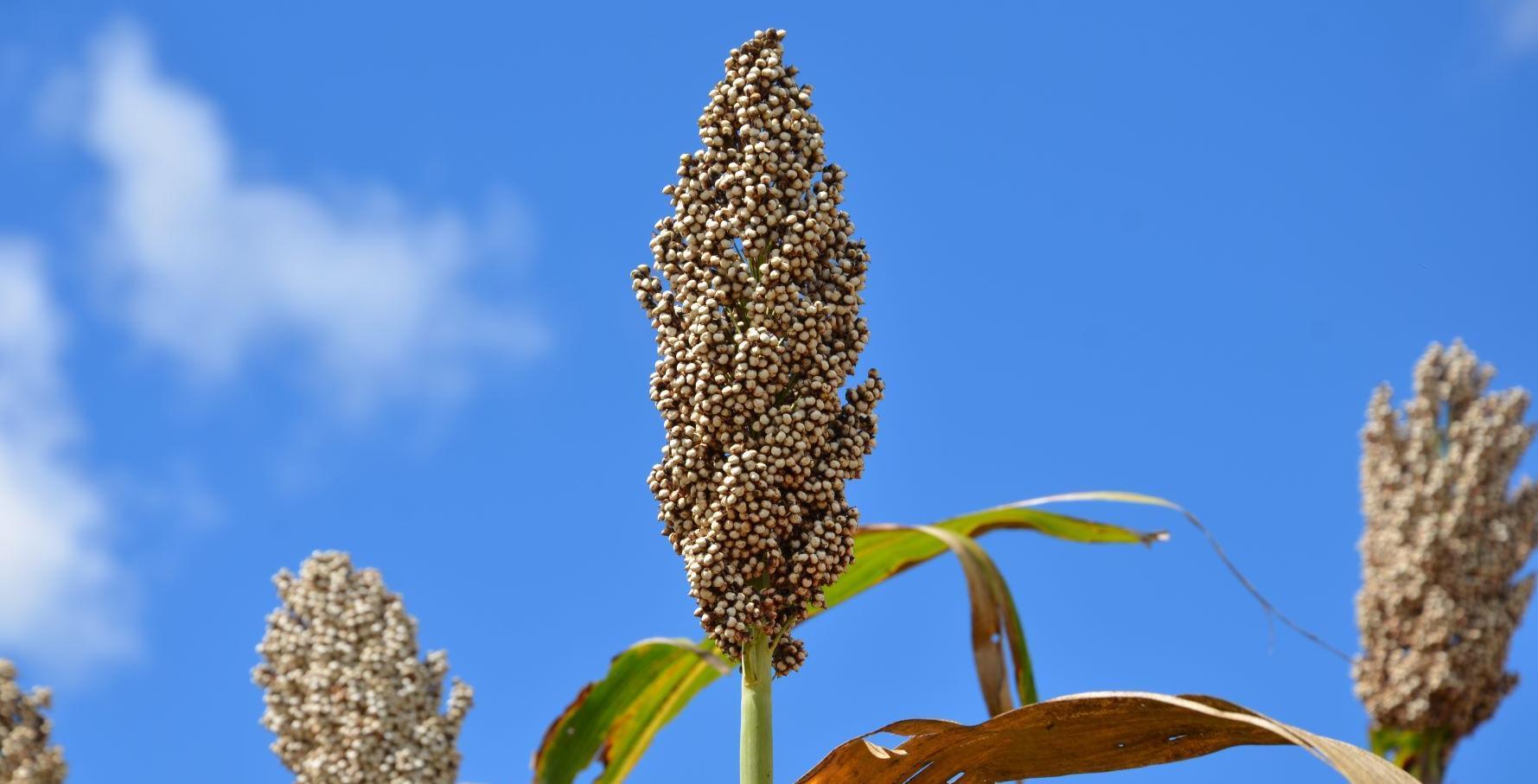
Farmers in drier areas are encouraged to grow crops that suit their climate, such as millet and sorghum, while still being able to access maize through the Grain Swap Programme.
Under the scheme, farmers can exchange a 50kg bag of one grain for a 50kg bag of another, strictly for household consumption.
To prevent abuse and commercial use, the programme is limited to one bag per household per month.
GMB operations director Patrick Muzvimbiri said the government deliberately introduced the Grain Swap Programme to ensure that households have access to the grain of their choice for consumption. He said:
“Farmers in dry regions are encouraged to grow traditional grains that thrive in their areas, and when they need maize, they can bring those grains to GMB and exchange them.
“This is not a commercial project, but a social support programme meant to feed households.”
Muzvimbiri said farmers in areas such as Makambe and Chiredzi have embraced the programme and are already seeing the benefits.
Related:
Delayed GMB Payments Threaten Next Planting Season For Farmers
GMB Manager Arrested For Selling 190 Bags Of Fertiliser At US$1 Per Bag