
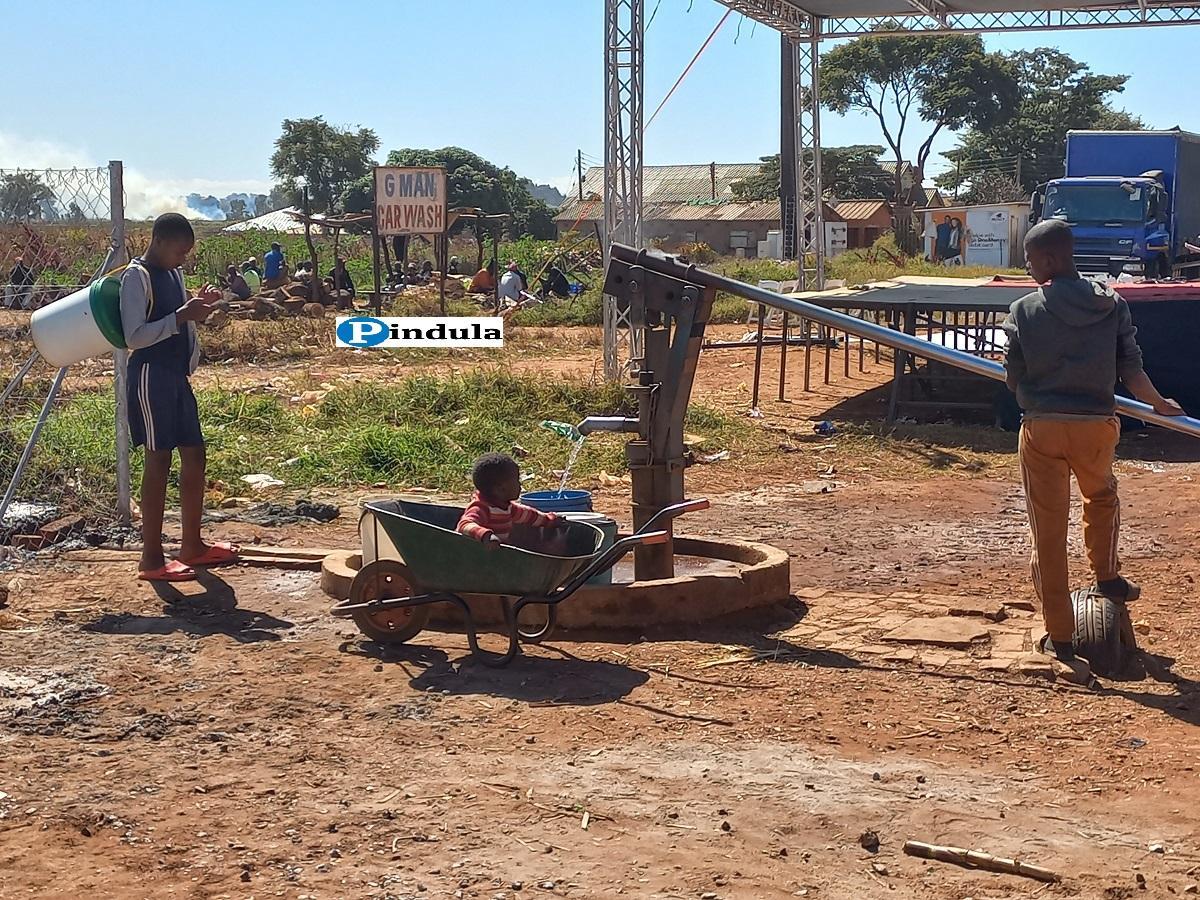
The City of Harare’s Department of City Health Services has issued a warning to residents about an increased risk of cholera and other diarrhoeal diseases following recent heavy rains, flooding, and sewer overflows in several parts of the city.
Cholera is a severe diarrhoeal infection caused by consuming contaminated food or water. It can lead to rapid dehydration through watery diarrhoea and vomiting, and can be fatal within hours if not treated.
In a public health alert on Friday, 30 January, the city revealed that 47% of boreholes tested in Harare contained water that is unsafe to drink without proper treatment.
Residents have been urged to take precautions to protect themselves from waterborne diseases, including ensuring that water is boiled or treated before drinking, practising good hygiene, and avoiding contact with floodwaters wherever possible.
The City of Harare urged residents to take the following preventive measures:
1. Drink only treated, chlorinated, or boiled water regardless of the source.
2. Avoid drinking water from unprotected wells, shallow boreholes, or flooded water sources.
3. Wash hands regularly with soap and clean running water, especially after using the toilet, before preparing food, and before eating.
4. Ensure food is well-cooked and eaten while hot; avoid uncovered or street-vended food from unlicensed sources.
5. Wash fruits and vegetables thoroughly with safe running water.
6. Use proper sanitation facilities and avoid open defecation; report sewer bursts and overflowing toilets to the nearest district office or health facility.
7. Report any suspected cholera cases in your area to the nearest clinic.
8. Immediately seek medical care at the nearest health facility if experiencing sudden watery diarrhoea, vomiting, or signs of dehydration.
Related:
Glenview Residents Petition Harare Mayor To Save Community Borehole
Chitungwiza Embarks On Sewer Trunk Repairs