Africa-Press – Zimbabwe. WHO
In 2022, the University of Zimbabwe and Lead Exposure Elimination Project (LEEP) conducted a study on the presence of lead in locally manufactured paint. The results revealed high levels of lead in samples that were taken and analyzed. Seventy percent (70%) of oil-based paints sampled from the market contained dangerous levels of lead. Some paints contained more than 100 times the limit. This is a potential danger to the health of Zimbabwe’s children. The Ministry of Environment, Climate, Tourism and Hospitality Industry and the Environmental Management Agency of Zimbabwe (EMA) recently hosted a multi-stakeholder workshop to reach a shared understanding of the issue. The main objective of the meeting was to establish a roadmap for ending the manufacture, import, and sale of paint with dangerous levels of lead in Zimbabwe.
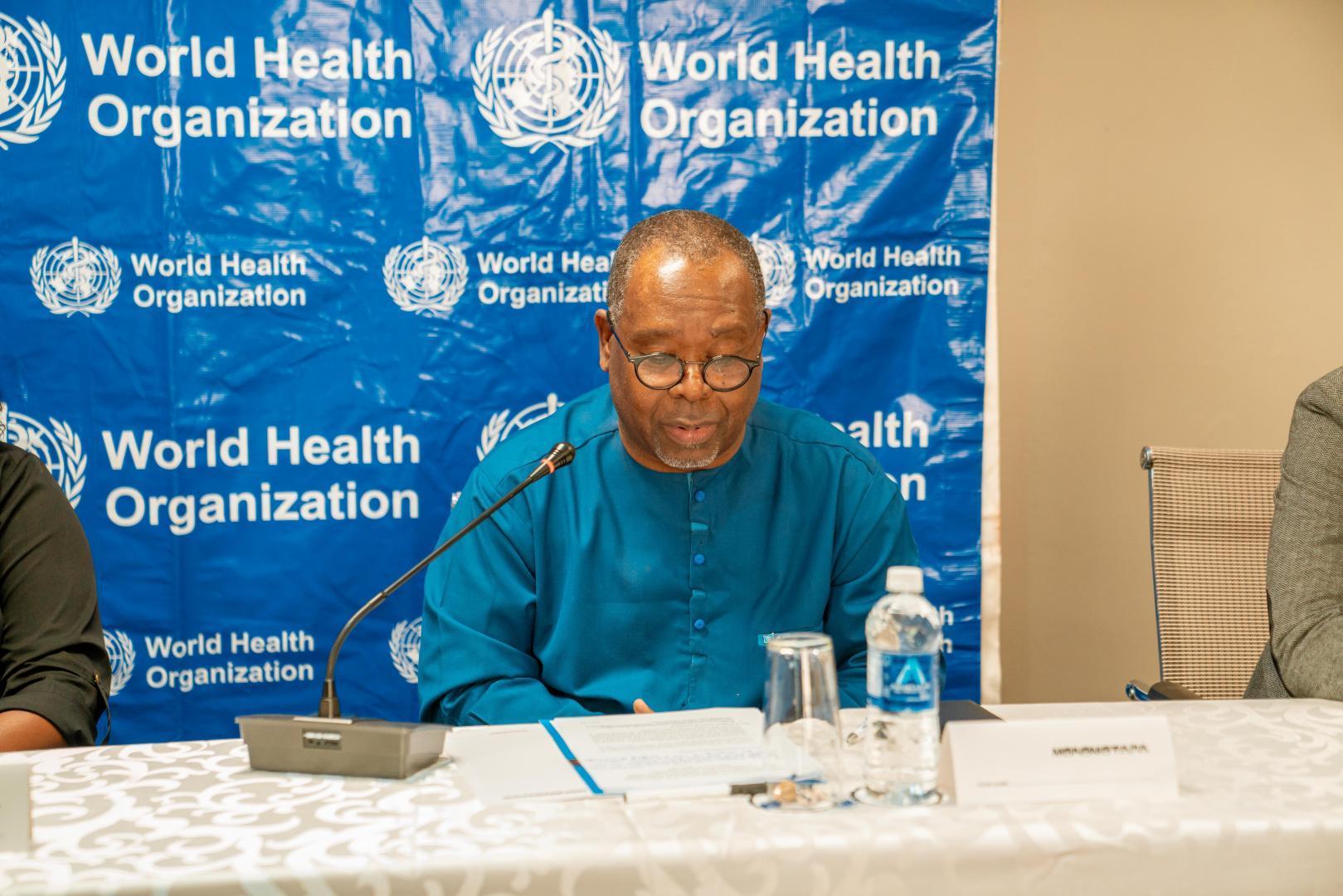
To address this issue, a one-day consultative workshop was held to build consensus amongst stakeholders and make the way forward on addressing the content of lead in paint. The workshop aimed to raise awareness of the dangers of lead poisoning and to develop strategies to mitigate its impact and to build consensus on the necessary steps to ending this serious issue.
The workshop was led by EMA with support from World Health Organization Zimbabwe, United Nations Environment Program, Lead Exposure Elimination Project (LEEP). The workshop brought together experts from various fields, including health, environmental management, paint manufacturers and policy development. These included, The Ministry of Health and Child Care (MoHCC). Council of Zimbabwe, Dulux Astra; Nash Paints; Chroma Paints; Biorich Investments and Crown Paints. Participants discussed the need for stricter regulations on the use of lead in paint in Zimbabwe and the importance of education and awareness-raising campaigns to inform the public about the dangers of lead poisoning.
The workshop also highlighted the economic impact of lead poisoning which include increased healthcare costs, lost productivity, and decreased economic growth. By addressing the issue of lead poisoning in Zimbabwe, the government can protect the health of its citizens and promote sustainable economic development.
Lead poisoning is a serious health concern, especially for children, who are most vulnerable to the effects of lead exposure. Lead can damage the nervous system, kidneys, and reproductive system, and can also cause developmental delays in children. Exposure to lead can occur through various means, including ingestion and inhalation. The high levels of lead found in locally manufactured paint in Zimbabwe are a cause for concern. The use of lead-based paint is banned in many countries, including South Africa in the region, due to the serious health risks associated with exposure to this toxic substance. However, in Zimbabwe, there are no laws prohibiting the use of lead-based paint, and this has put the population at risk.
For More News And Analysis About Zimbabwe Follow Africa-Press