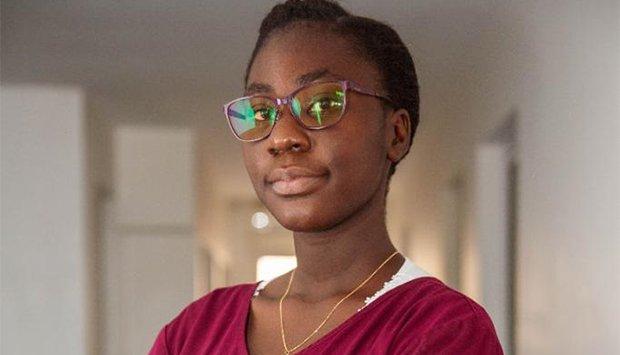
Africa-Press – Angola. The director of NeuroKandengues, Chayah Malhi, called for the creation of a National Plan for Children with Cerebral Palsy, which could be a possible solution to combat a disease that allegedly affects “1 in 10 Angolan children”.
Chayah Malhi considers that this paradigm is very serious, because it can lead to the death of children, although there are “no reliable statistics in Angola, because it is an issue ignored at all levels”, he laments.
To get an idea of what the problem represents, “the average life expectancy of a person with cerebral palsy in Western countries can be 70 years, but in Africa it is between 18 and 23 years”, stressed the head of Neurokandengues.
In the last two years, the non-profit organization has supported 1,399 children across the country, mainly in the provinces of Moxico, Benguela, Bié, Huila, Luanda and Cabinda.
Neurokandengues receives little support, “essentially from entrepreneurs”, having to assume responsibility for paying for treatments, which range from 1.5 to 2 million kwanzas per month per patient, and bearing the costs of medication, consultations, exams, food and hygiene.
“These are very, very high costs that the overwhelming majority of people cannot afford,” underlines Chayah Malhi.
To make the project sustainable, the organization “has found employment opportunities for the parents of some of these children, so that they can support their families and not become dependent on Neurokandengues to continue the treatment of their children”, reveals the same source.
“This award makes me believe that Angola is really moving towards a more inclusive society. The Neurokandengues project tries to give a voice to this group of socially excluded people, who do not speak, do not walk and live on the periphery and in places where few arrive. There are no barriers impossible to break down”, declared the winner of the Tigra Nova Garra2021 Awards, in the Health category.
For More News And Analysis About Angola Follow Africa-Press