Africa-Press – Angola. The Association of Former Angolan Guerrillas in Bié province calls for more protection from the local government, regarding the regularization of its members in the social fund of the Angolan Armed Forces (FAA).
The appeal was made this Wednesday to press, in Cuito, by the vice-president of this association, Cornélio Bonifácio Inácio, shortly after the provincial act that marked the celebrations of the Colonial Repression Day in Baixa de Cassanji, marked this Wednesday, January 4th.
Without revealing the number of members who receive a pension, Cornélio Bonifácio Inácio also claims for the acquisition of arable land, tractors with the respective implements and agricultural inputs, as well as the transfer of decent housing.
The association has existed in Bié since 2013. At the time it had more than six thousand members.
The group is made up of former MPLA and FNLA guerrillas who participated directly in the National Liberation Struggle. Those from UNITA withdrew from the group some time ago.
After 20 years of effective peace, Cornélio Bonifácio Inácio said it was necessary for the State to continue to provide due legal protection to this fringe, with a view to guaranteeing the social well-being of those citizens who did everything to make Angola a free and independent country. .
Data from the Provincial Office of Former Combatants and Veterans of the Fatherland in Bié point to the existence of 6,589 people assisted, including former combatants, widows and orphans who receive a monthly pension of 23,000 Kwanzas.
On the occasion, the deputy governor for the political, social and economic area of Bié, Alcida de Jesus Camatele Sandumbo, said that the government has been giving priority to this class, through the insertion of their children in the system of employment, schooling and in housing supply and beyond.
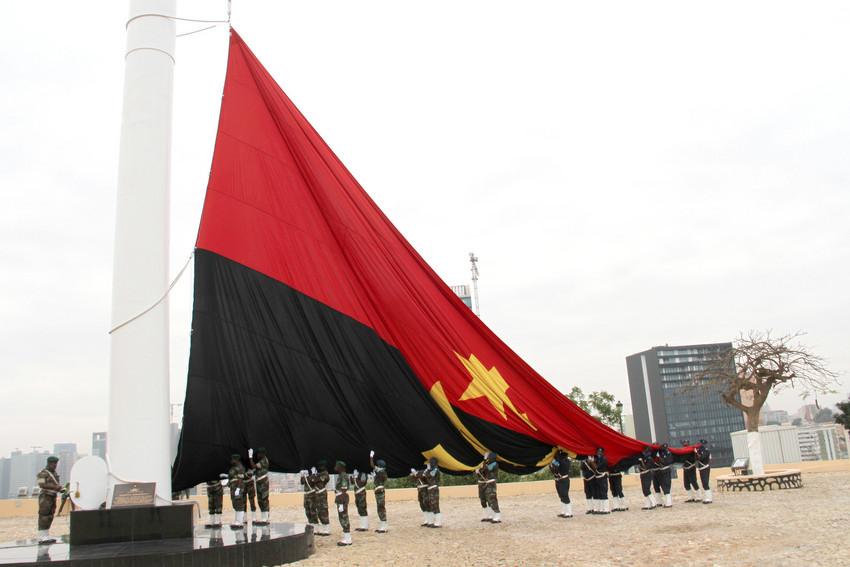
On January 4, 1961, Portuguese settlers repressed around 20,000 Angolan peasants, in what went down in history as the Baixa de Cassanje Massacre, a territory located between the provinces of Malanje and Lunda Norte.
The events raised the awareness of freedom among Angolan patriots who, on February 4 of the same year, decided to launch an armed struggle against the Portuguese fascist regime, culminating in the proclamation of the country’s independence, on November 11, 1975.
For More News And Analysis About Angola Follow Africa-Press