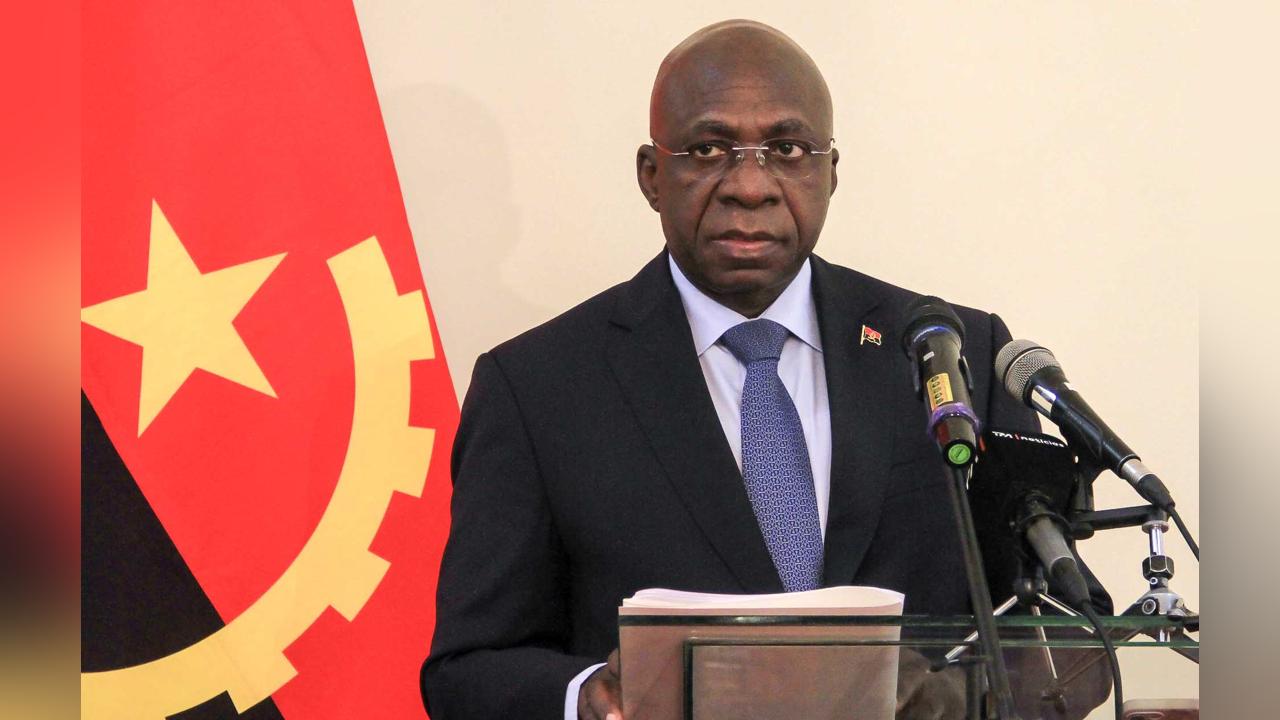
Africa-Press – Angola. Angola has sought to make its contribution to boosting and strengthening the International Conference on the Great Lakes Region (CIRGL) to face the challenges of peace, security, stability and development, stressed Thursday the Minister of Foreign Affairs , Teté Antonio.
The diplomat reaffirmed the fact during a lecture on “Angola’s foreign policy and its role in pacifying the Great Lakes Region”, given on Thursday at the Itamaraty Institute, Brasília, Republic of Brazil.
In an audience attended by diplomats, university professors, men linked to culture and researchers in African affairs, minister Téte António said that the country has the support of the most varied bilateral and multilateral partners in this task.
He referred that the axes that guide the strategy of the Angolan Presidency cover the Political-Diplomatic, Defense and Security, Intelligence, Economic and Regional Development vectors, as well as the functioning of the Executive Secretariat of the CIRGL.
He recalled that since assuming the presidency of the CIRGL, the President of the Republic, João Lourenço, has carried out a series of initiatives aimed at stabilizing the political and security situation in the Central African Republic, marked by the acceptance of leaders of the groups armed to abandon the rebellion.
On the other hand, he continued, the 16th Extraordinary Session of the AU Conference of Heads of State and Government on Terrorism and Unconstitutional Regime Changes in Africa, held in Malabo, on 27 and 28 May 2022, at the proposal of Angola, elected the Angolan Head of State Champion of the African Union for Peace and Reconciliation in Africa, as well as giving him the mandate to initiate diplomatic “démarches”, within the scope of mediating the growing tension that was registered in the common border between the “DRC and the Rwanda”.
During his address, the Angolan diplomat made a brief historical incursion of the Republic of Angola, with emphasis on trends in the evolution of foreign policy.
He spoke of the national liberation struggle, of the explicit political-ideological preferences in the process of Angola’s independence and the signing of the Bicesse Agreement, which brought the country a new phase of political-social intervention and international relations.
Those present explained the moment of 2002, when Angola began to experience a period marked, above all, by the more concrete political transition process, the promotion and reinforcement of national mechanisms for the consolidation of the democratic process, the broadening and deepening of multilateral, regional relations and bilateral, within the ambit of ties of friendship and cooperation.
As for foreign policy, the Minister of Foreign Affairs explained that the Executive elected economic diplomacy as one of its main instruments for defending the interests of the State, aiming, among others, at promoting trade, attracting productive investment, creating better conditions for the operation of foreign investors and attracting the tourist flow.
For More News And Analysis About Angola Follow Africa-Press