Africa-Press – Angola. Cultural tourism will gain another dimension in Benguela province, thanks to the rehabilitation of some historic monuments in an advanced state of degradation, admitted this Tuesday the director of Culture, Rosa Tchitali.
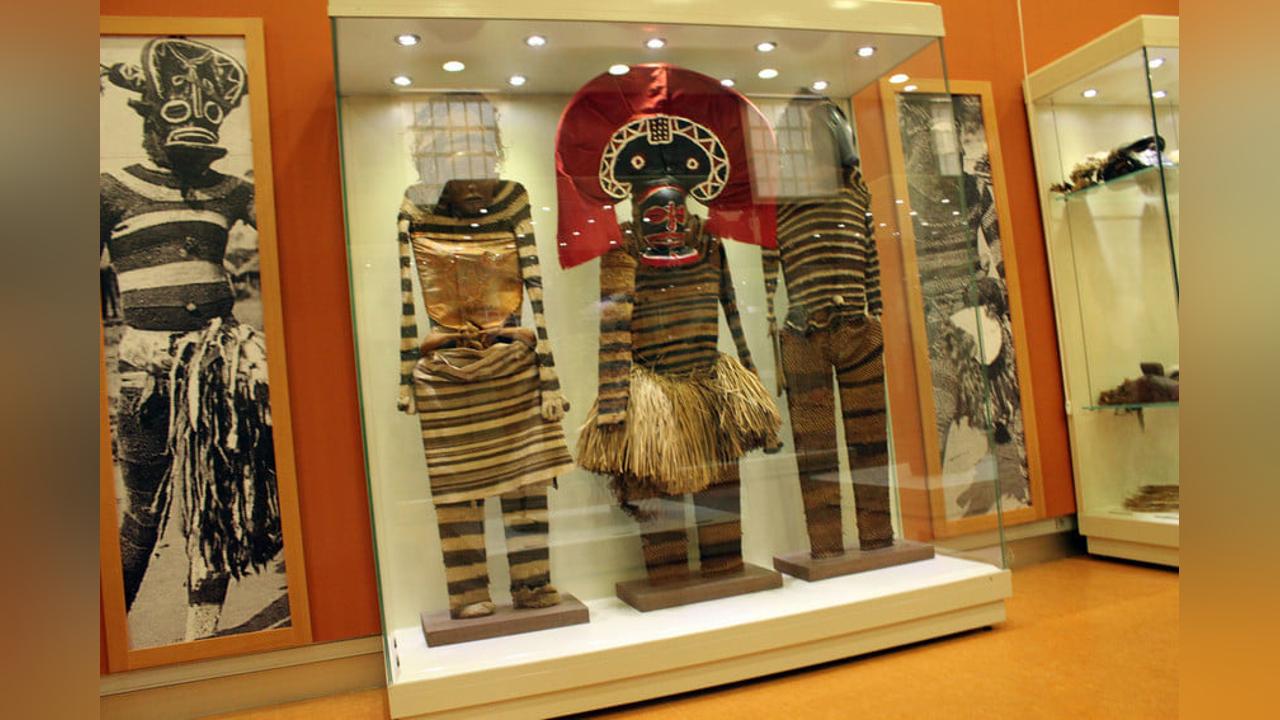
Regarding the International Day of Monuments and Sites, marked April 18, under the theme “Heritage and Change”, the head of the Provincial Office for Culture highlighted how the rehabilitation of the National Archeology Museum, with a collection of around 9,150 pieces, will boost cultural tourism.
Likewise, it sees the rehabilitation of the Flamingo cinemas, in Lobito, and Monumental, in Benguela, as gains for cultural heritage, reinforcing the province’s position as a mandatory tourist destination.
At the moment, stressed the official, dozens of national and foreign tourists have been visiting Benguela province interested in knowing the locality’s cultural heritage.
Rosa Tchitali, who also oversees the areas of Tourism, Youth and Sports, said that the students have been carrying out research work in the Archeology museums, in Benguela, and the Ethnography museum in Lobito.
Among the most sought after places in the province are the Redoubt of São Pedro da Catumbela, also known as Forte da Catumbela, the Church of Nossa Senhora do Pópulo, Largo da Peça, the maritime signaling lighthouses of Praia Morena and the bay of Santo António , as well as the ship Zaire in the sandbank of Lobito.
For this reason, director Rosa Tchitali praises the program of the Provincial Government of Benguela which aims to recover these historical monuments in the face of the state of degradation and abandonment that they have been showing for years.
According to her, the restoration of Largo da Peça, whose main attraction is an artillery piece with a cannon, brought another boost to that area of the city of Benguela and has been an obligatory stop for citizens and visitors from various parts of the country.
The expectation of cultural agents now, as I said, is to see the Fort of São Pedro da Catumbela rehabilitated, because it is quite degraded and could collapse in the coming years, if nothing is done by the authorities.
For her, the Fort of São Pedro da Catumbela is an important point for the promotion of cultural tourism, since it was built in the context of the Portuguese colonial repression of the revolts of Catumbela and Dombe Grande, in the period of 1846-1848.
He also appealed to the youth of Benguela to contribute to the preservation of the existing heritage, with a view to preserving the history of the people who inhabited the region.
In Benguela, 11 monuments are classified, including the former sugar factory of Angola, in Catumbela, and the former palace of the governors of Benguela and 80 are inventoried, as well as 11 cataloged historical sites.
For More News And Analysis About Angola Follow Africa-Press