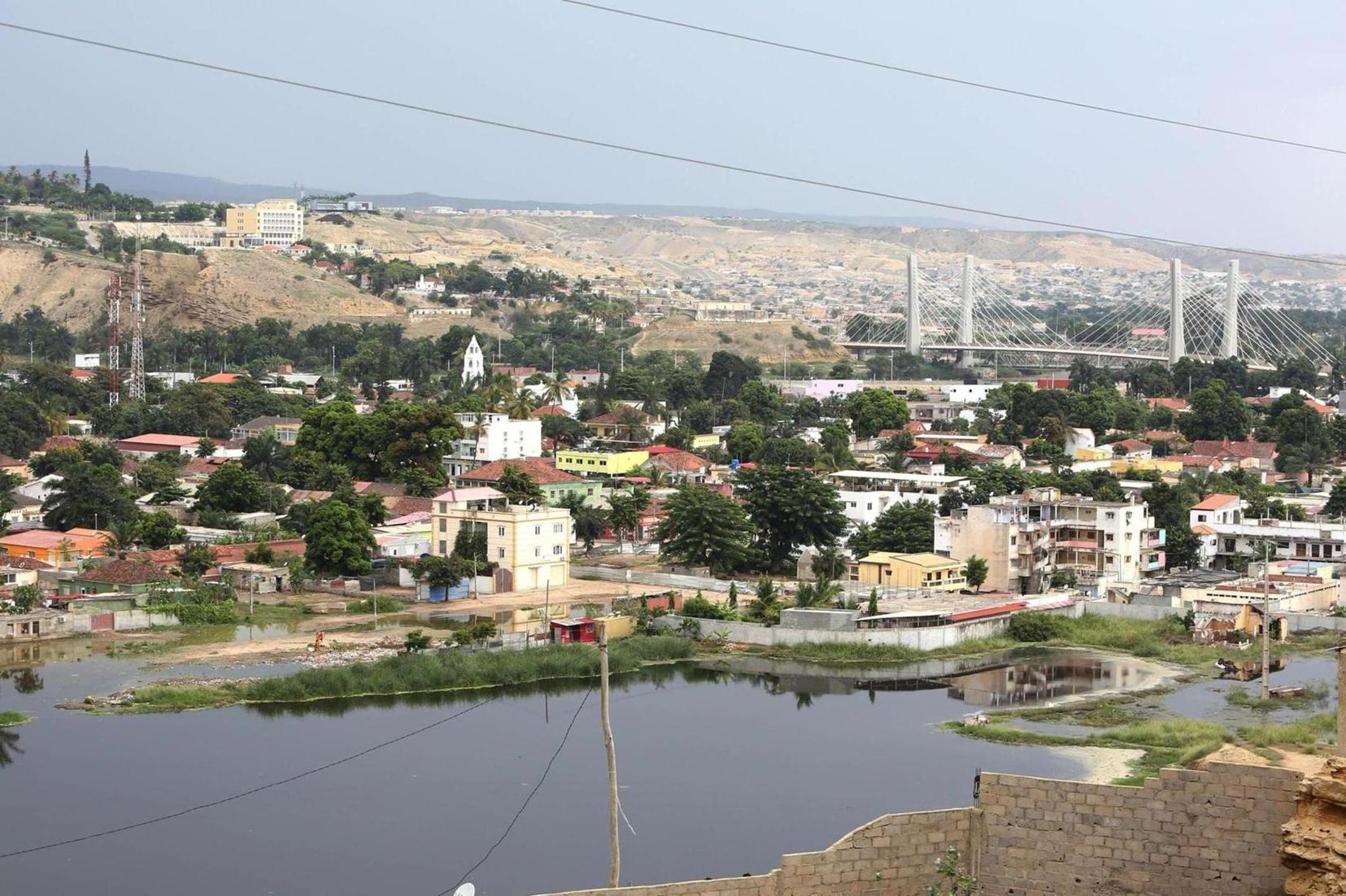
Africa-Press – Angola. The residents of Catumbela pointed out, this Thursday, the International Airport, the 4 de Abril bridge and the University Campus, as some of the infrastructures that boosted the town’s rise to the category of municipality.
The district completes 12 years today since it became a municipality, on October 5, 2011, becoming the youngest in the province of Benguela.
Daniel Zeferino, a resident of the village for 25 years, stated that he saw the 4 de Abril bridge being built, from the laying of the first stone.
It was based on reducing the time to connect the two main cities in the province, Lobito and Benguela, provided by the bridge measuring 438 meters long, 25 meters wide and with two lanes on each side.
He said, however, that not everything is advantages, referring to the Catumbela Industrial Development Pole (PDIC), which, in his opinion, took the place of the old green zone.
Taking advantage of the phrase of the first President of Angola, António Agostinho Neto, in which he said that agriculture is the basis and industry the decisive factor, Daniel Faustino categorically stated that “there was a failure in this option”.
On the other hand, João Catchipia said that Catumbela International Airport will enable the mobility of businesspeople, collaborators and tourists, when the Lobito Corridor is fully operational.
“This infrastructure will contribute greatly to the increase in tax revenues that will benefit the province and the municipality, in particular”, he stated, looking at the Lobito Refinery, expected to be operational in 2026.
João Catchipia referred to the recent decree issued by the President of the Republic, João Lourenço, which alludes to the granting of tourist visas to 98 countries.
Catumbela International Airport, opened on August 27, 2012, has a runway of three thousand and 700 meters and is capable of receiving 2.2 million passengers per year.
Director Luis Acandela, asked to make a comparison with the colonial period, began by talking about the extinct sugar factory, which in the 70s even housed workers from São Tomé and Cape Verde, given its size, in terms of production.
“There was a lot of movement, from sugarcane cutting, transport by rail, sugar production and export”, he recalled.
He also pointed out the oil and soap factory, suggesting that the employment rate was above average, contrary to what is currently observed, due to the financial crisis that the country is experiencing.
Faustina Quero, president of a cooperative with 360 hectares and 1,550 workers, in Catumbela, sees advantages in the fact that there is cultivation on the coast, unlike in the colonial era, when agriculture was only carried out in the interior municipalities.
“We currently produce vegetables, corn, beans, sweet potatoes and others, in the agricultural perimeter of Catumbela, facilitating supply to our markets”, he stated.
Contrary to this aspect, he said, with sadness, that the cooperative encounters difficulties in acquiring fertilizers, some means of production, such as tactors, and in disposing of products, which often end up spoiling.
The municipality of Catumbela has a territorial extension of 801 square kilometers and has the municipalities of Biópio, Praia Bebé and Gama.
The population is estimated at around 200 thousand inhabitants (2014 census).
For More News And Analysis About Angola Follow Africa-Press